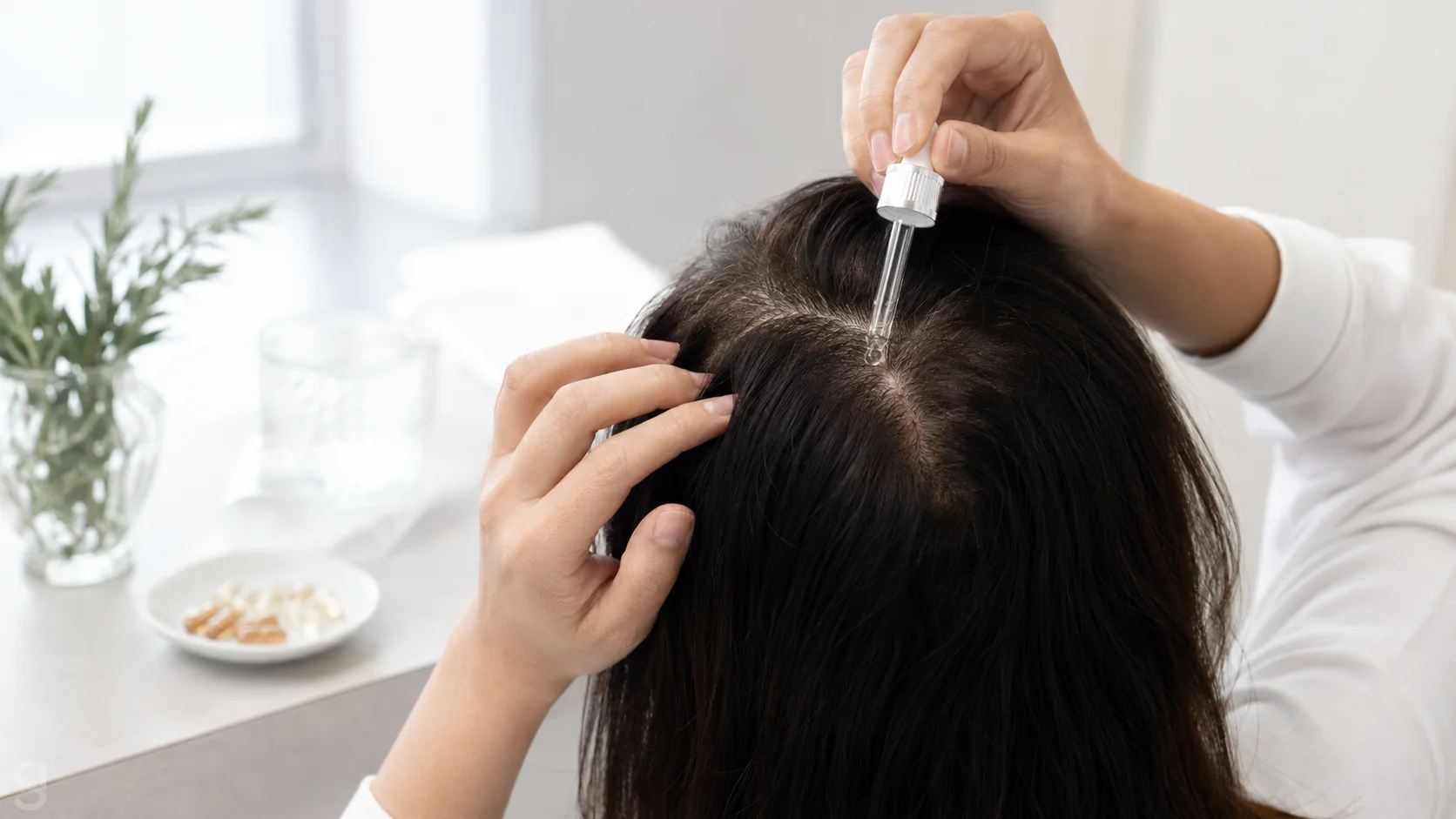
Lipogaine is a commercial name used for a range of hair-loss and scalp-care products. Its best-known topical formulations combine minoxidil with cosmetic and botanical ingredients. Because several products are sold under the same name, there is no single ingredient list or concentration that describes every Lipogaine formula.
The most important distinction is whether a particular product contains minoxidil. Minoxidil is an established topical medication for certain forms of pattern hair loss. The supporting ingredients commonly included in branded formulas do not necessarily have the same level of clinical evidence.
What Is Lipogaine?
Lipogaine is a product line rather than the name of one medication. Depending on the version, it may refer to a topical hair-regrowth solution, a sensitive-scalp formulation, or a shampoo.
Some topical versions contain 5% minoxidil, while other formulations may use a different concentration or omit minoxidil. Ingredient lists can change, and products marketed to different users may not be identical.
For that reason, anyone considering Lipogaine should read the current label rather than relying on a description of the brand in general. The active ingredient, directions, suitability, and warnings are more important than the product name.
Minoxidil: The Main Evidence-Based Ingredient
When Lipogaine contains minoxidil, that medication is responsible for its main expected hair-regrowth effect.
Topical minoxidil is used primarily for androgenetic alopecia, commonly called male or female pattern hair loss. It appears to prolong the active growth phase of susceptible follicles and can increase the diameter of some miniaturized hairs. Its complete mechanism in hair follicles is not fully understood.
Minoxidil does not permanently cure pattern hair loss. It can help maintain or improve coverage while it is used consistently, but results vary. Hair supported by treatment is generally lost gradually after treatment is discontinued.
Visible improvement also takes time. Early changes may take several months, and a fair assessment often requires consistent use for longer than a few weeks.
Other Ingredients Found in Lipogaine Formulas
Ingredient combinations vary, but some Lipogaine products have included components such as propylene glycol, alcohol, botanical extracts, saw palmetto, fatty acids, biotin, niacin, vitamin B6, apple polyphenols, and biotinyl tripeptide.
These ingredients serve different purposes.
Propylene Glycol and Alcohol
Liquid minoxidil products often use solvents such as alcohol and propylene glycol to dissolve the medication and help distribute it across the scalp. These ingredients can also contribute to dryness, flaking, itching, or contact dermatitis in some users.
A person who reacts to a liquid solution may tolerate another vehicle differently, but a change should be discussed with a clinician or pharmacist when the cause of irritation is uncertain.
Saw Palmetto and Plant Extracts
Saw palmetto is often promoted as a botanical ingredient that may influence androgen-related pathways. Evidence for topical saw palmetto in pattern hair loss is limited, and formulations are not standardized in the same way as approved medications.
Its presence should not be interpreted as proof that a product blocks scalp dihydrotestosterone to a clinically meaningful degree.
Biotin and Vitamins
Biotin is important for normal metabolism, and a true deficiency can affect the hair. Biotin deficiency is uncommon, however, and applying it topically has not been shown to correct most pattern hair loss.
Vitamins in a formula may support product positioning or hair conditioning, but they should not automatically be treated as active hair-regrowth medications.
Peptides and Polyphenols
Peptides and plant-derived polyphenols are frequently included for potential scalp or follicle benefits. Laboratory findings can be interesting, but dependable evidence in people may be limited. It is difficult to determine whether they add meaningful regrowth beyond minoxidil when they are combined in one product.
What Benefits Can Lipogaine Realistically Provide?
For a minoxidil-containing version used by an appropriate candidate, potential benefits may include:
- Slower visible progression of pattern thinning
- Improved density in some treated areas
- Increased thickness of miniaturized hairs
- Better maintenance of existing coverage
The response is not uniform. Some users experience noticeable improvement, others maintain their baseline, and some see little change.
Benefits attributed to the complete formula should be interpreted cautiously because minoxidil is already capable of producing a treatment effect. Without comparative clinical trials, it is difficult to know whether the additional ingredients improve results.
Shampoos sold under the same brand are also different from leave-on treatments. A rinse-off shampoo may help cleanse or condition the scalp, but it should not be assumed to provide the same effect as a properly formulated minoxidil solution.
Who Might Consider It?
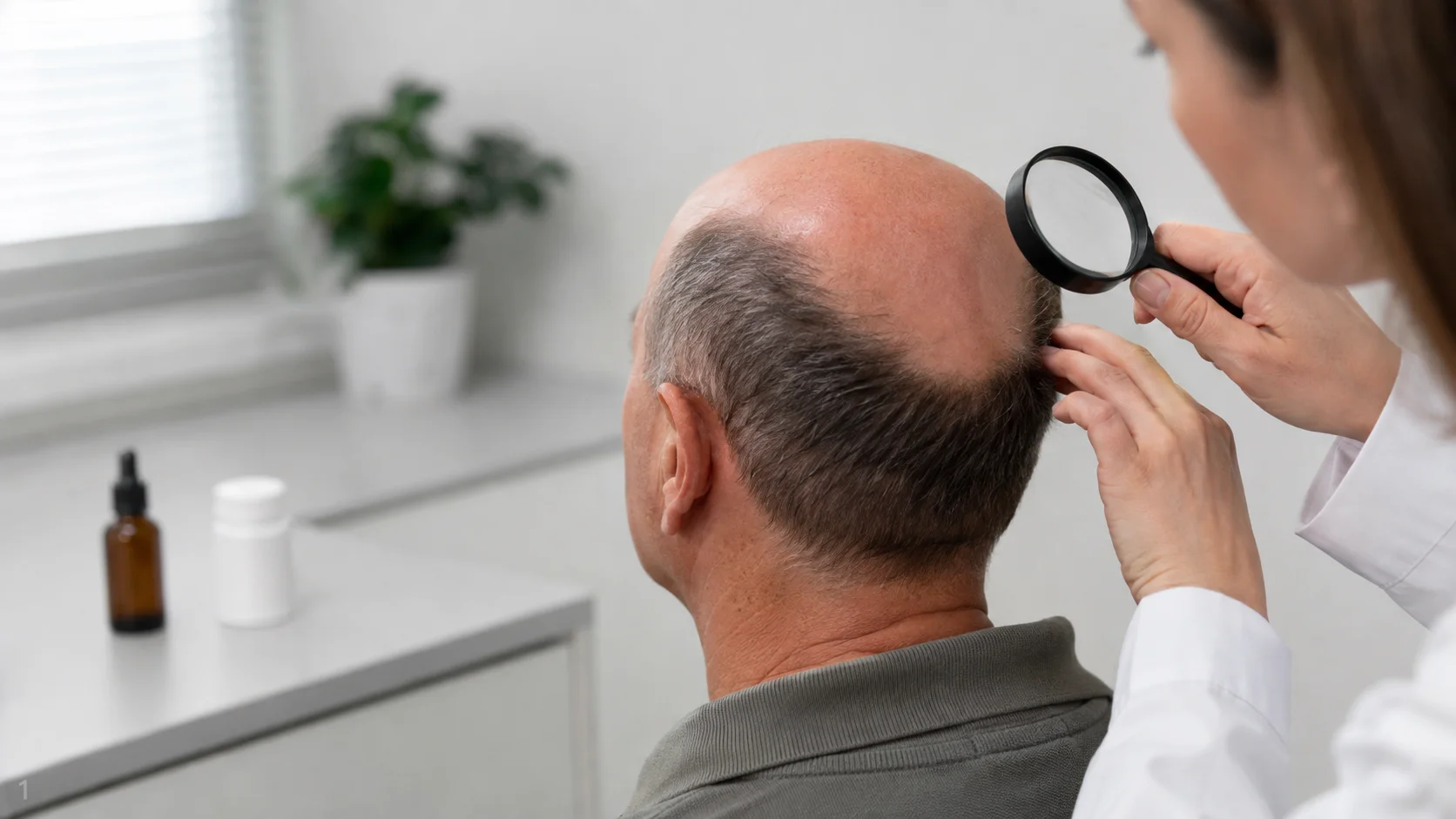
A minoxidil product may be appropriate for some adults with gradual, hereditary pattern thinning. It is less suitable as a self-directed response to unexplained shedding.
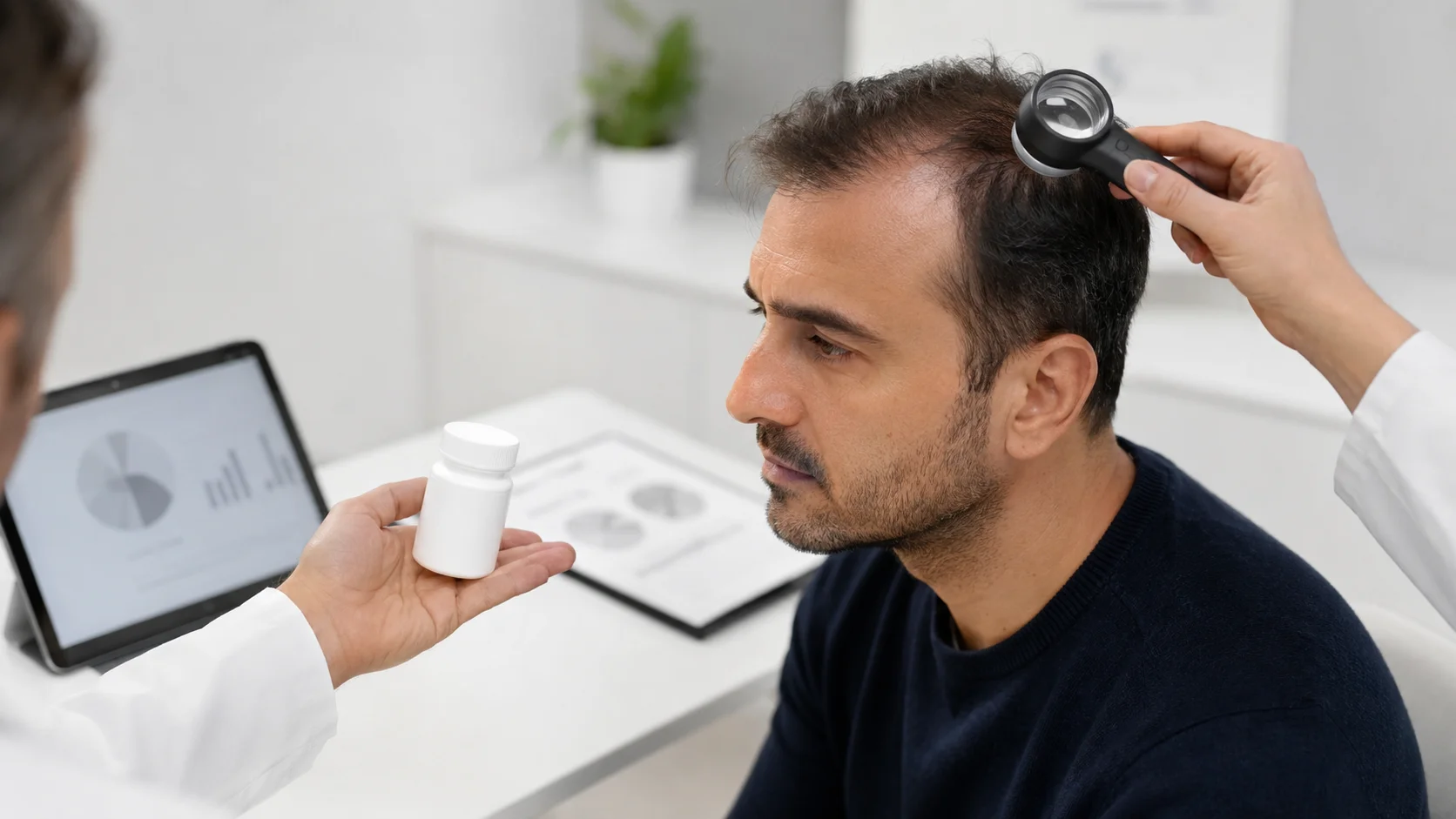
Medical evaluation is especially important when hair loss is:
- Sudden or rapidly progressing
- Patchy
- Associated with scalp pain, scarring, or inflammation
- Accompanied by other health symptoms
- Developing after a new medication or major illness
- Occurring during pregnancy or breastfeeding
- Affecting someone younger than the age permitted on the label
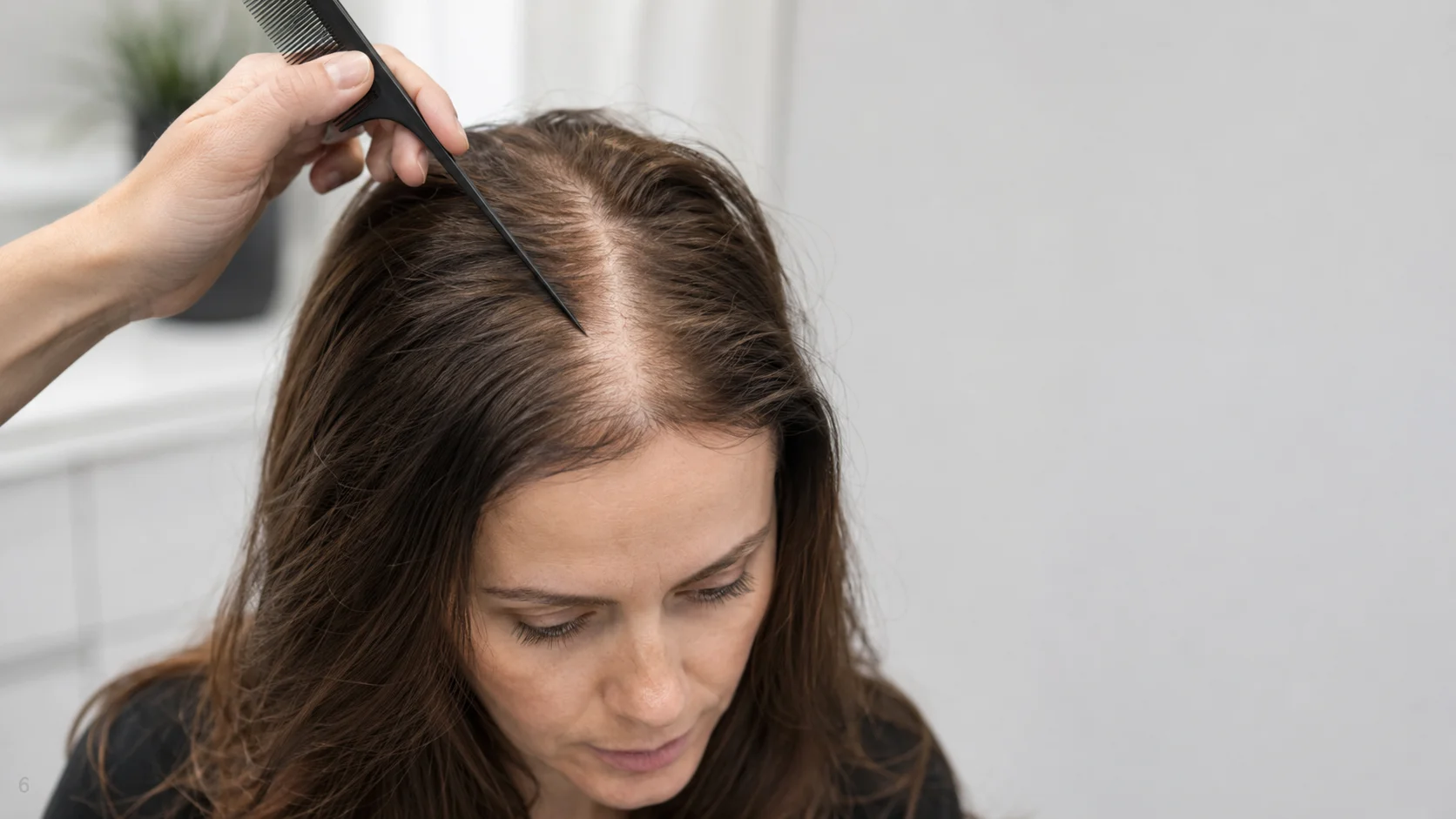
Pattern hair loss is common, but not every thinning pattern is androgenetic alopecia. A correct diagnosis helps avoid months of ineffective treatment.
How Lipogaine Is Used
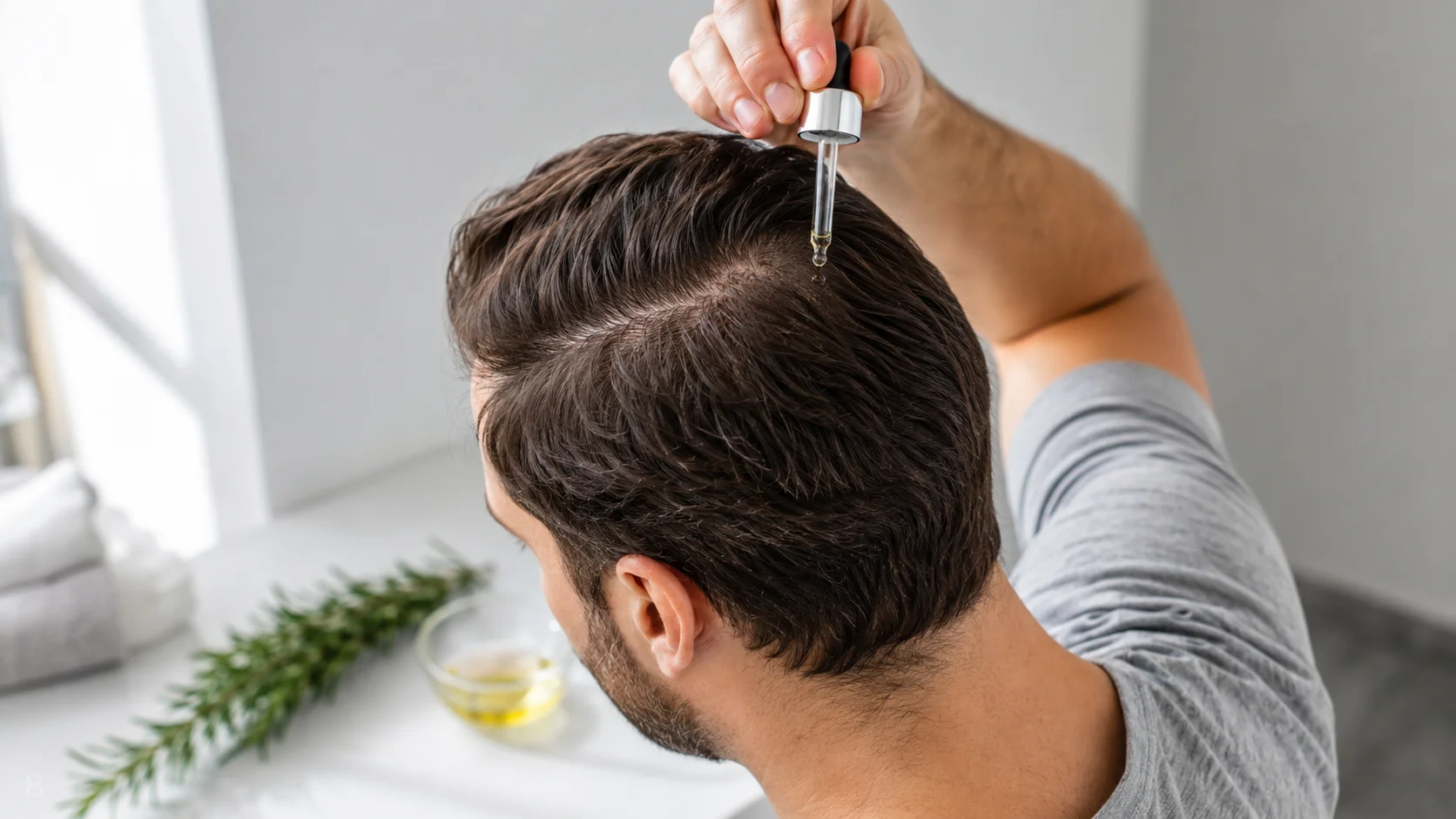
Directions depend on the exact formula. Minoxidil solutions are generally applied directly to a dry scalp in the recommended amount, not poured over the hair. Applying more than directed does not reliably produce better results and may increase adverse effects.
Hands should be washed after application, and the product should be allowed to dry before the scalp contacts pillows, hats, or other people. Contact with the eyes and unintended skin areas should be avoided.
Consistency matters more than excessive application. Missing an occasional use does not justify applying a double amount.
Possible Side Effects
Common problems with topical minoxidil formulas include:
- Scalp itching or burning
- Dryness and flaking
- Redness
- Unwanted facial or body hair
- Temporary early shedding
- Changes in hair texture
Early shedding can occur as follicles transition between growth phases, but significant or prolonged shedding should not automatically be dismissed as normal.
Stop using the product and seek medical guidance for chest pain, faintness, rapid heartbeat, unexplained swelling, sudden weight gain, or severe scalp reactions.
Minoxidil is also highly dangerous to pets, particularly cats. Bottles, droplets, hands, bedding, and treated skin must be kept away from animals.
How Lipogaine Compares With Generic Minoxidil
If two products contain the same concentration of minoxidil, the main differences may involve the vehicle, additional ingredients, application experience, price, and tolerability.
A more complex ingredient list does not necessarily make a product more effective. A simpler generic formulation may provide the core minoxidil benefit at a lower cost, while another user may prefer a specific vehicle because it feels better on the scalp.
The best option is one that is appropriate for the diagnosis, tolerable, affordable over the long term, and used consistently.
Frequently Asked Questions
Is Lipogaine the Same as Minoxidil?
Not exactly. Lipogaine is a brand with multiple products. Some versions contain minoxidil, while others may be shampoos or non-minoxidil formulations.
Does Lipogaine Block DHT?
Certain formulas contain ingredients marketed for possible effects on androgen pathways, but they should not be assumed to provide the same predictable DHT reduction as established medical therapies. Evidence for the complete combinations is limited.
How Long Does Lipogaine Take to Work?
A minoxidil-containing formula generally requires several months of consistent use before its effect can be assessed. Rapid improvement should not be expected.
What Happens if I Stop Using It?
Hair maintained or regrown through minoxidil commonly becomes thinner again after treatment ends. The change usually occurs gradually over subsequent months.
Is Lipogaine Better Than Regular Minoxidil?
There is not enough comparative evidence to conclude that the extra ingredients consistently make it more effective than another properly formulated minoxidil product.
The Main Takeaway
Lipogaine is a range of commercial hair-care products, not a unique hair-loss medication. In topical versions containing minoxidil, minoxidil is the ingredient with the strongest evidence for supporting growth in pattern hair loss.
Other ingredients may affect the feel, tolerability, or cosmetic appeal of a formula, but their added clinical value is less certain. Check the exact label, confirm the cause of hair loss, and base expectations on the active medication rather than the length of the ingredient list.
This content is for general informational purposes and does not replace individualized medical advice, diagnosis, or treatment.