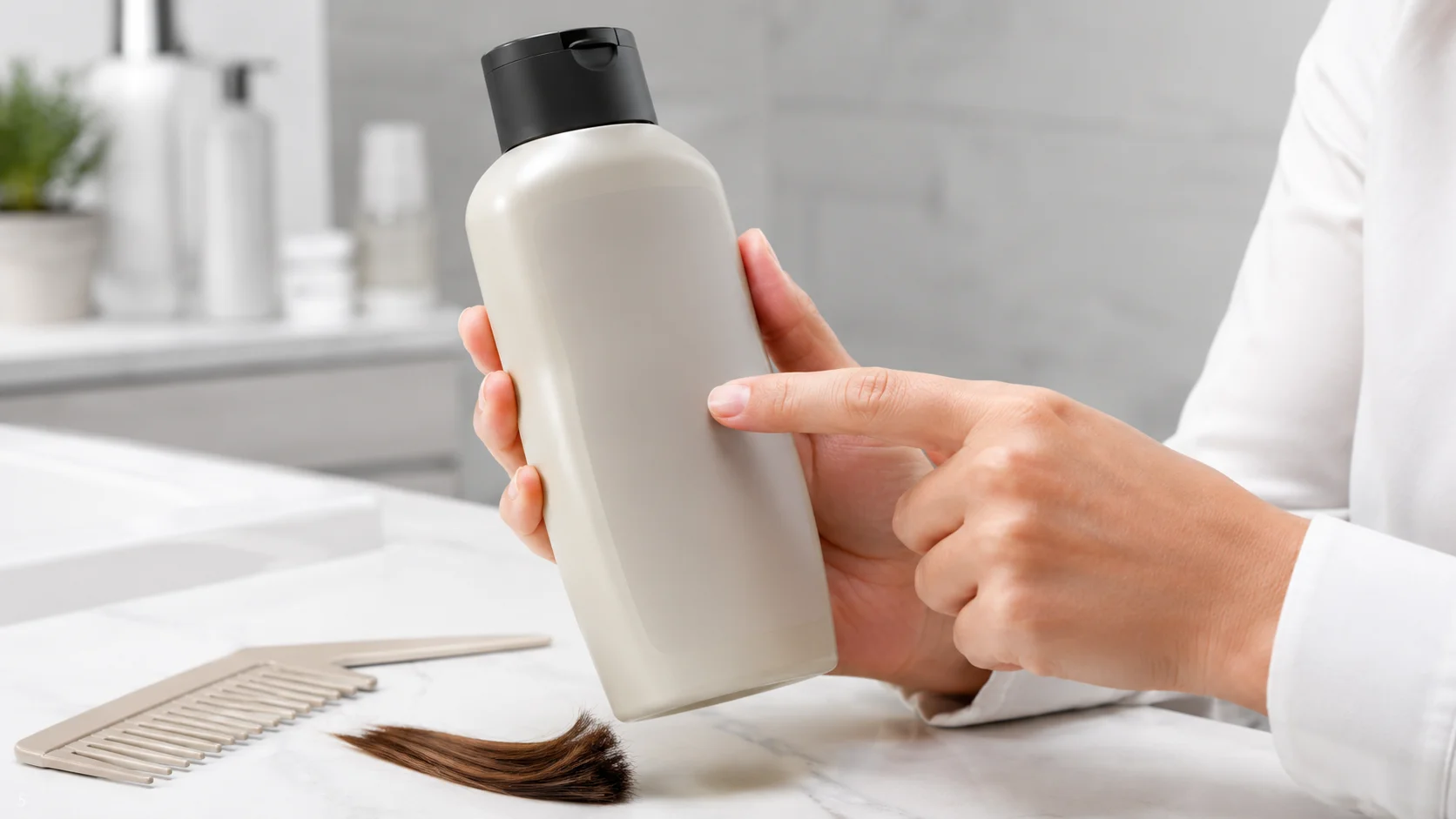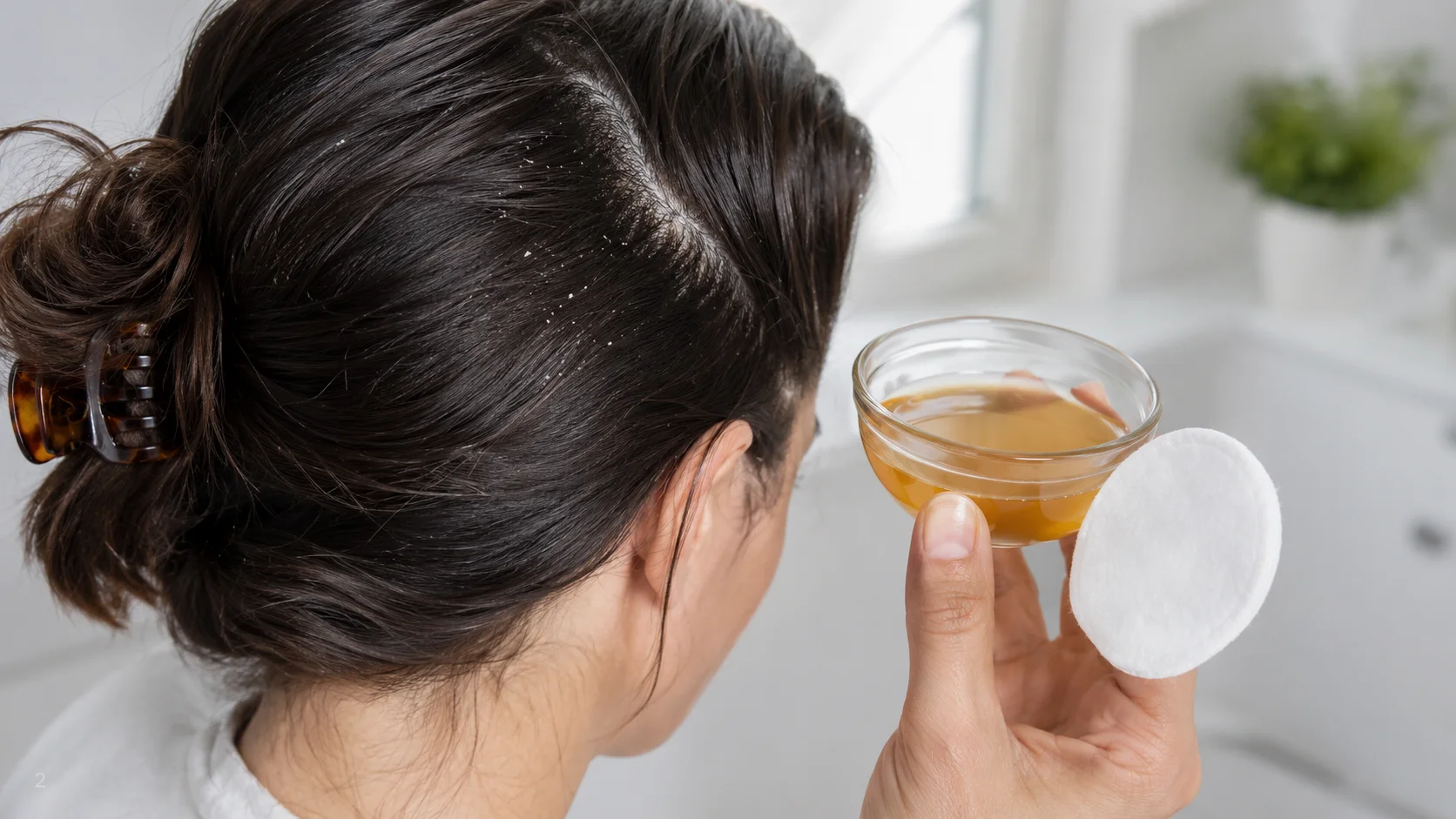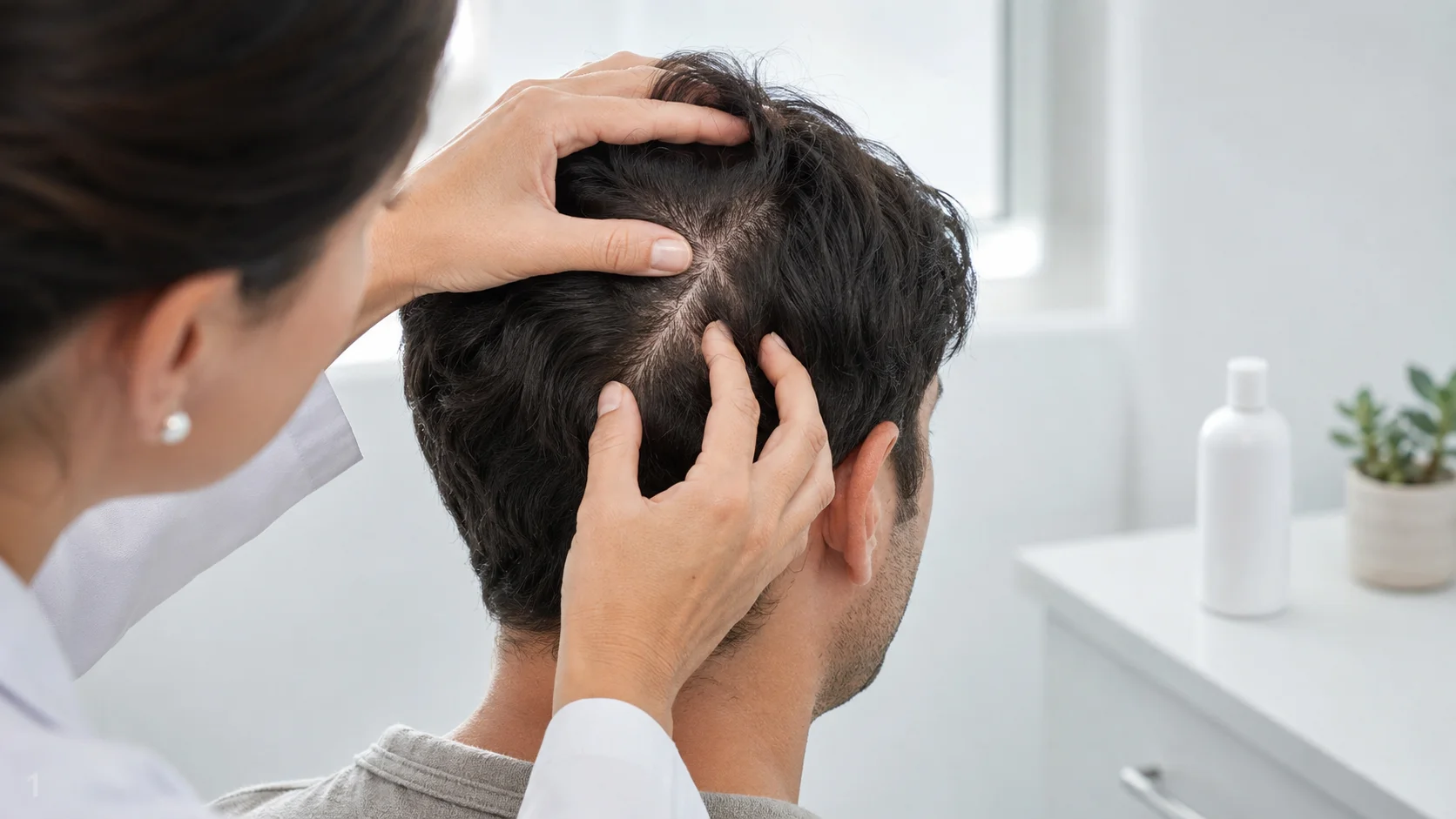
Ketoconazole is the active antifungal ingredient in Nizoral anti-dandruff shampoo. It is designed to reduce fungi associated with dandruff and seborrheic dermatitis, helping control symptoms such as flakes, scaling, and itching.
Although ketoconazole can improve certain scalp conditions, it is not an all-purpose remedy for dryness, irritation, or hair loss. Understanding what it treats, how it works, and how to use it safely can help set realistic expectations.
What Is Ketoconazole?
Ketoconazole is an azole antifungal medication. It interferes with the production of ergosterol, a substance fungi need to maintain their cell membranes. Disrupting this process limits fungal growth and makes it easier to bring an overgrowth under control.
Ketoconazole comes in several formulations. Shampoo is used primarily for scalp conditions, while creams and other topical forms may be prescribed for fungal skin problems. Oral ketoconazole has a substantially different safety profile and should not be confused with topical shampoo.
Nizoral anti-dandruff products commonly contain ketoconazole, although the concentration and availability may differ by country. Some versions contain 1% ketoconazole and are sold without a prescription, while 2% shampoo may require professional guidance in certain locations.
How Ketoconazole Helps the Scalp
A yeast called Malassezia normally lives on human skin. Its presence does not automatically mean something is wrong. In people prone to dandruff or seborrheic dermatitis, however, the scalp may react to Malassezia activity and the substances produced when the yeast breaks down natural skin oils.
This reaction can contribute to:
- White or yellowish flakes
- Itching
- Greasy scaling
- Redness or inflammation
- Recurring patches around the hairline, ears, or eyebrows
Ketoconazole reduces the amount of susceptible yeast on the scalp. As the microbial imbalance improves, associated inflammation, scaling, and itching may also settle.
This does not mean dandruff is permanently cured. Seborrheic dermatitis in particular tends to follow a recurring pattern, so some people need occasional maintenance use after their symptoms improve.
Ketoconazole for Dandruff and Seborrheic Dermatitis
Dandruff is generally considered a mild, non-inflamed form of seborrheic dermatitis. It causes visible flaking but may not produce obvious redness. Seborrheic dermatitis can involve more substantial inflammation, greasy scales, and symptoms beyond the scalp.
Ketoconazole shampoo can be useful for either condition when Malassezia is contributing to the problem. Improvement is usually gradual rather than immediate. It may take several washes or a few weeks to judge the response accurately.
If the scalp remains uncomfortable, the problem may have another cause. Psoriasis, eczema, allergic contact dermatitis, fungal infections, and product buildup can all resemble dandruff. Persistent or severe symptoms deserve an appropriate evaluation rather than repeated experimentation with shampoos.
Does Ketoconazole Help Hair Loss?
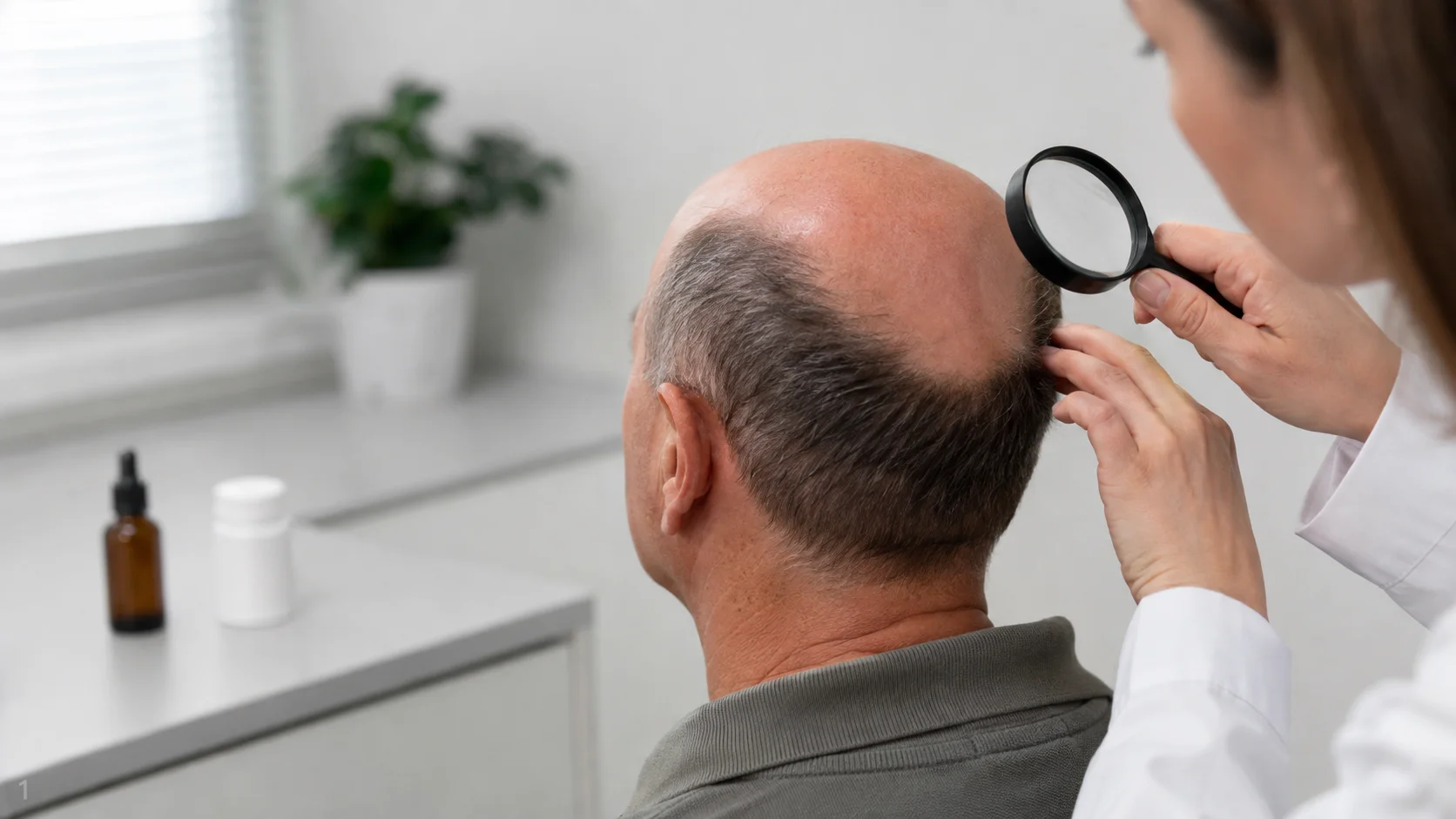
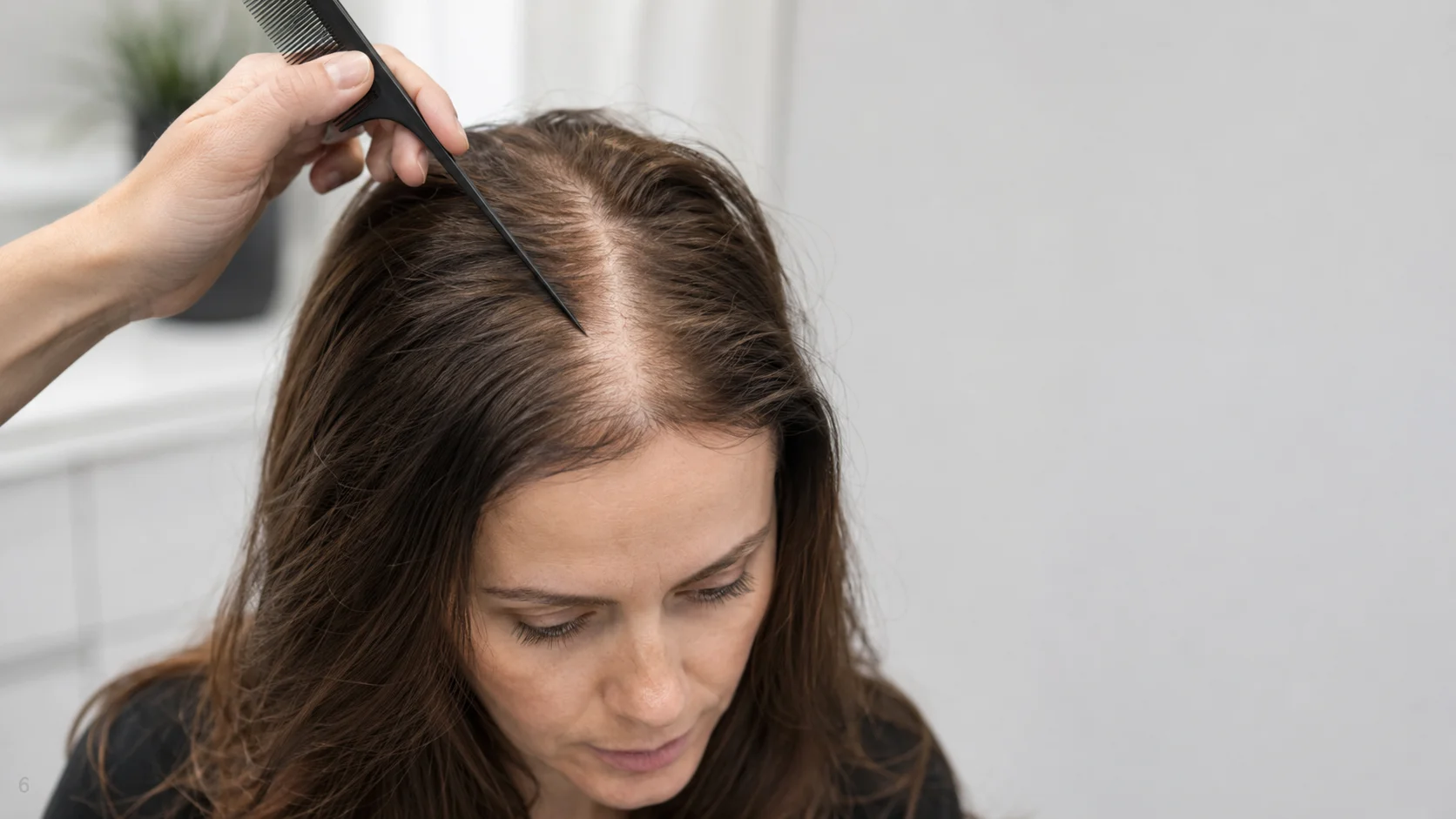
Ketoconazole shampoo is not an established standalone treatment for pattern hair loss. Its primary role is controlling dandruff and related scalp symptoms.
An inflamed, itchy scalp can lead to scratching, breakage, and a less comfortable environment for normal hair care. Treating the underlying scalp condition may therefore reduce irritation-related shedding or breakage. That is different from reversing androgenetic alopecia or stimulating meaningful regrowth.
Some research has explored whether ketoconazole could have secondary effects relevant to hair growth, but the evidence is not strong enough to place it alongside established hair-loss treatments. People with progressive thinning should not rely on an anti-dandruff shampoo as their only intervention.
How to Use Ketoconazole Shampoo
Instructions vary according to the concentration, product, and condition being treated, so the package label or a clinician’s directions should take priority.
A typical application involves:
- Wetting the hair and scalp thoroughly.
- Applying enough shampoo to create a lather over the affected scalp.
- Leaving it in place for the time stated on the label.
- Rinsing thoroughly.
- Washing hands and avoiding contact with the eyes.
More frequent use is not necessarily more effective. Excessive washing with a medicated shampoo may leave the scalp or hair feeling dry and can increase irritation. Many people alternate it with a gentle regular shampoo when ongoing treatment is needed.
Ketoconazole should not be applied to broken or significantly inflamed skin unless a medical professional has advised otherwise.
Possible Side Effects
Topical ketoconazole is generally well tolerated, but side effects can occur. These may include:
- Dryness or oiliness
- Mild burning or stinging
- Itching
- Redness
- Changes in hair texture
- Scalp irritation
Stop using the shampoo and seek advice if it causes a rash, swelling, severe discomfort, or worsening symptoms. Urgent assistance is appropriate for signs of a serious allergic reaction.
People with chemically treated, fragile, or very dry hair may notice that repeated medicated washing affects manageability. Conditioner can help the hair shaft, but it should not be expected to treat the scalp condition itself.
When Ketoconazole May Not Be the Right Choice
Ketoconazole is most relevant when dandruff or seborrheic dermatitis is suspected. It may provide little benefit when flakes are caused by simple dryness, psoriasis, residue from styling products, or irritation from hair dye.
Professional evaluation is especially helpful when there is:
- Patchy hair loss
- Pain, pus, crusting, or open sores
- Thick, sharply defined plaques
- Broken hairs or circular scaly patches
- Rapidly worsening inflammation
- No improvement after appropriate use
These signs can point to conditions requiring a different treatment.
Frequently Asked Questions
Is Nizoral the Same as Ketoconazole?
Nizoral is a brand associated with ketoconazole products. Ketoconazole is the active medication. Always check the label because formulations and strengths can vary.
Can Ketoconazole Shampoo Be Used Every Day?
Daily use is not routinely necessary for many anti-dandruff regimens and may cause dryness or irritation. Follow the directions for the specific concentration or the schedule recommended by a clinician.
How Quickly Does It Work?
Some people notice less itching and flaking after several applications, but it can take a few weeks to assess the full response. Lack of improvement may mean that the diagnosis or treatment plan needs to be reconsidered.
Can Ketoconazole Make Hair Fall Out?
Hair shedding has been reported with medicated shampoos, but it is not always clear whether the shampoo, the underlying scalp inflammation, or another hair-loss condition is responsible. New or marked shedding should be evaluated.
Can I Use Conditioner After Nizoral?
A conditioner can generally be used on the hair after the shampoo has been rinsed out. Applying conditioner mainly to the lengths may reduce heaviness and avoid leaving residue on an already oily scalp.
The Bottom Line
Ketoconazole in Nizoral is an antifungal ingredient used to control flaking, scaling, and itching associated with dandruff. It can also play a useful role in managing seborrheic dermatitis when Malassezia contributes to scalp inflammation.
Its benefits are condition-specific. It should not be treated as a universal scalp cure or a proven substitute for medical hair-loss treatment. Correct use and an accurate understanding of the underlying problem are the most important factors.
This content is for general informational purposes and does not replace individualized medical advice, diagnosis, or treatment.