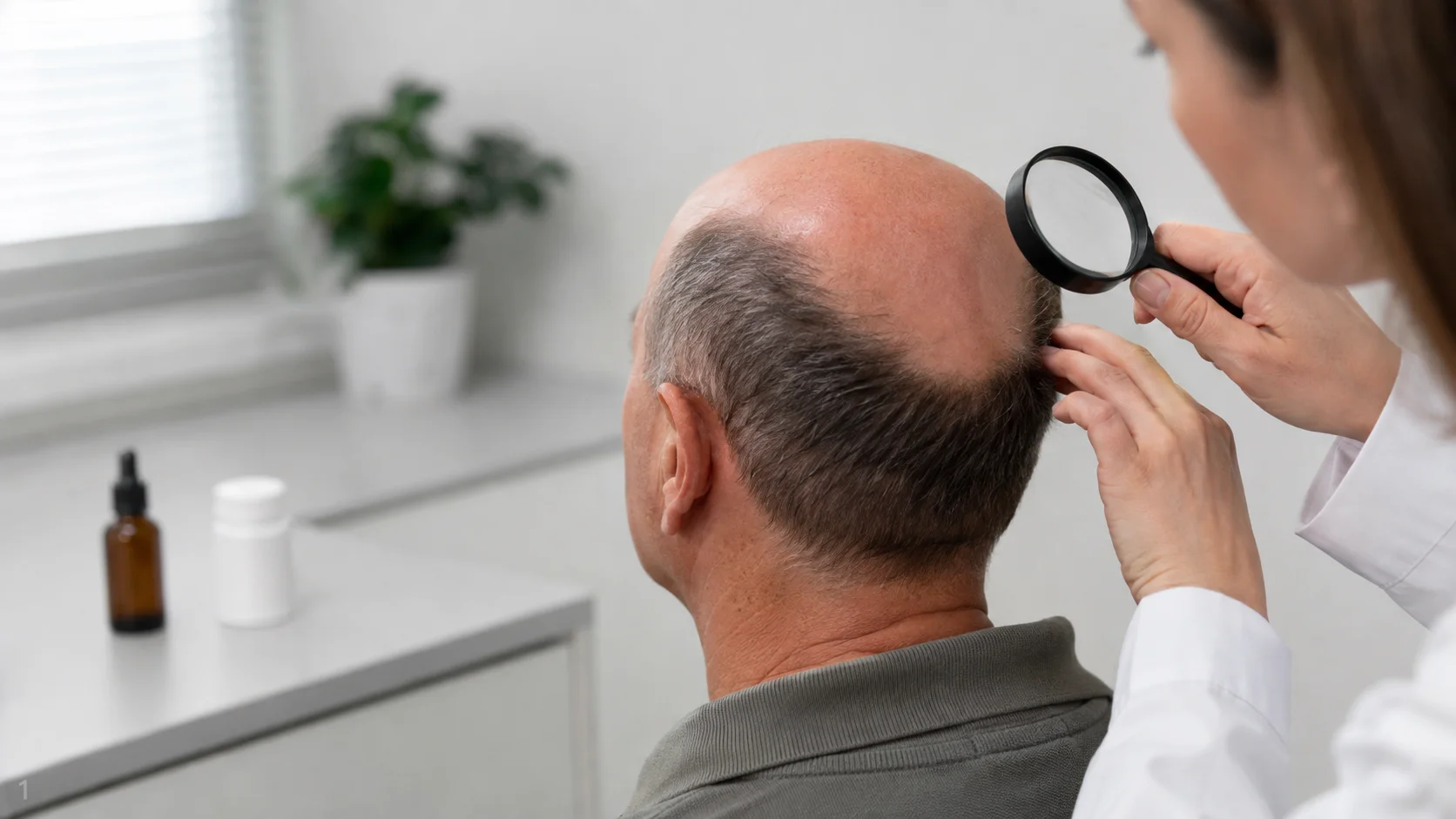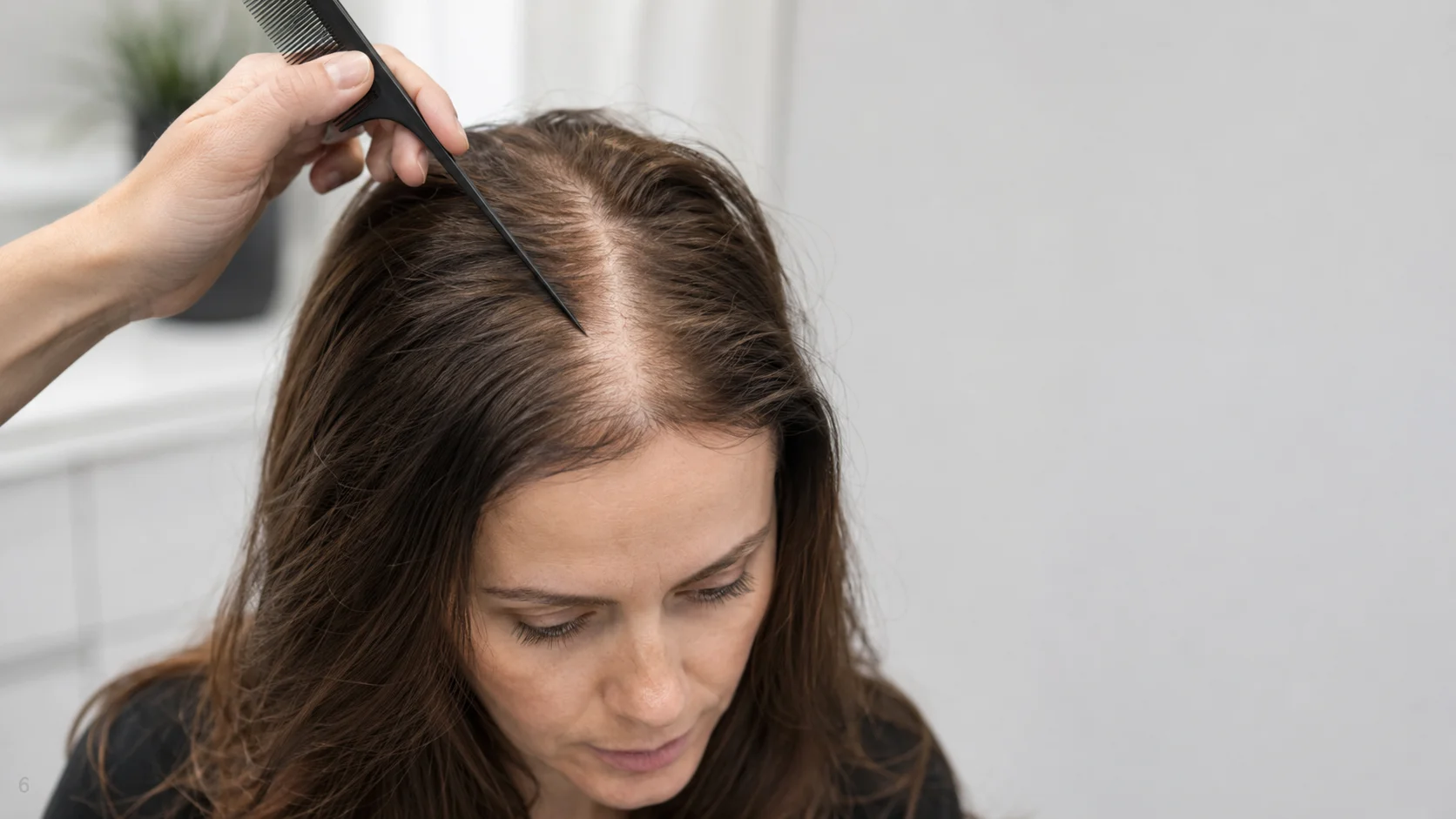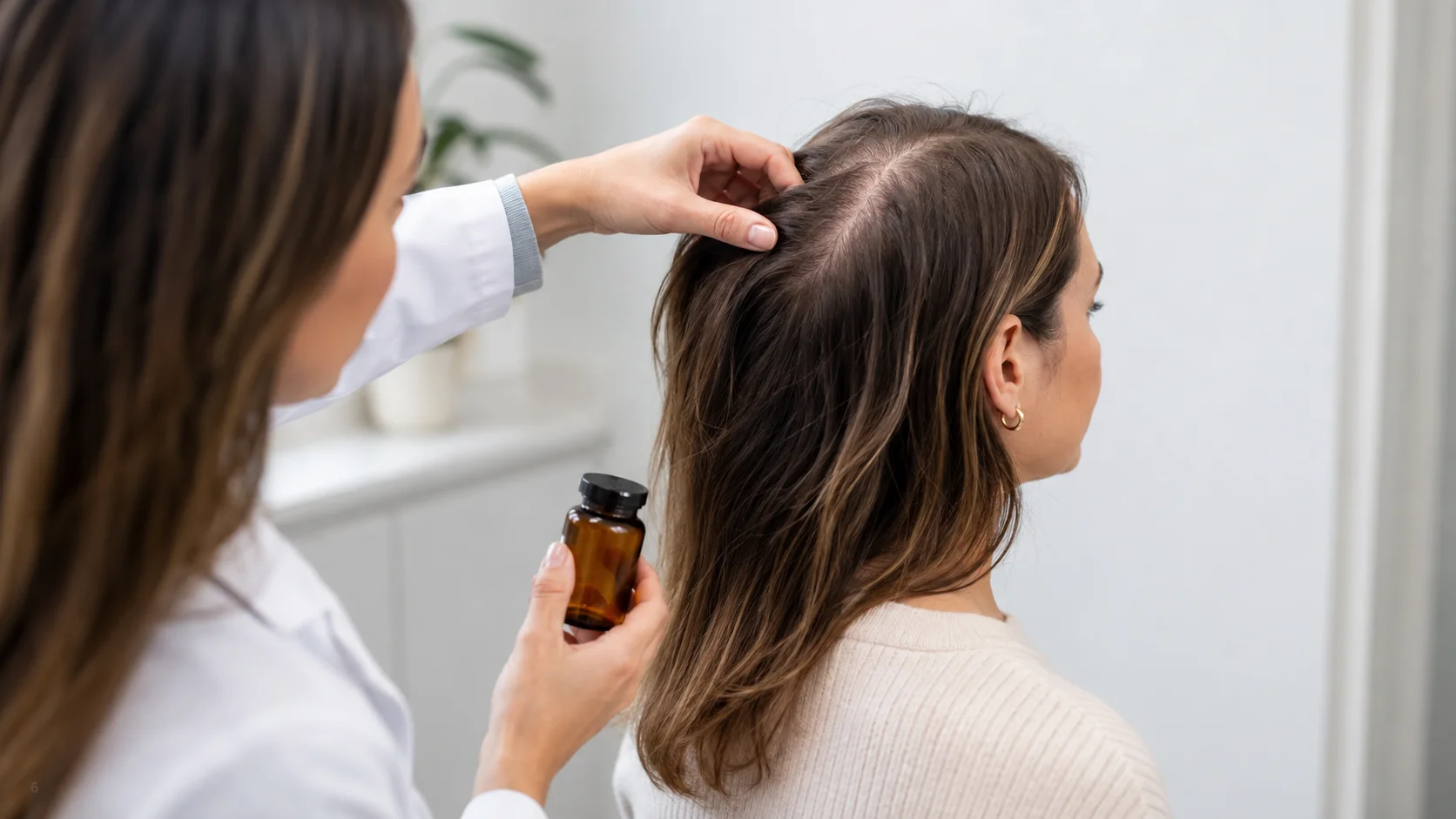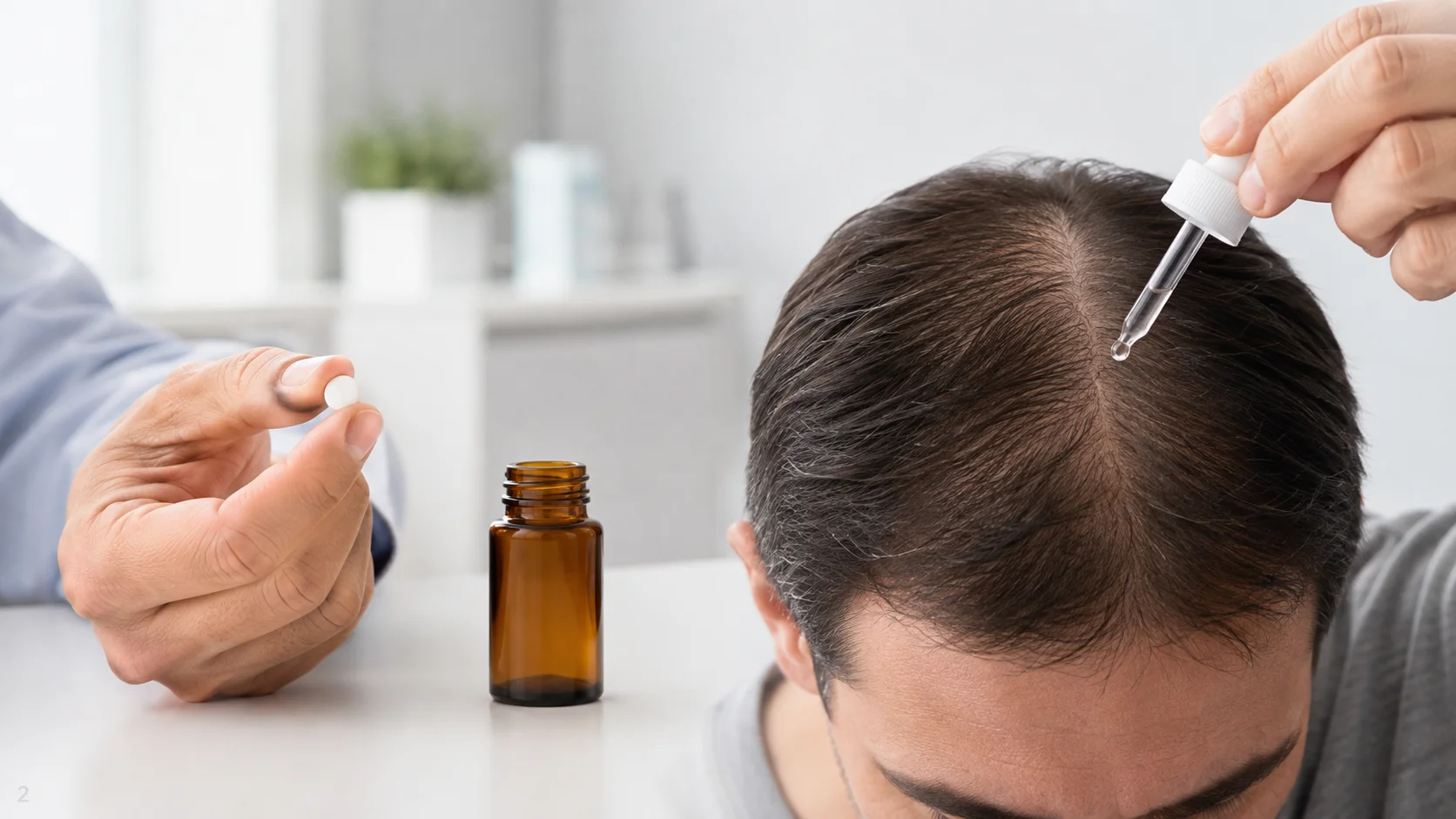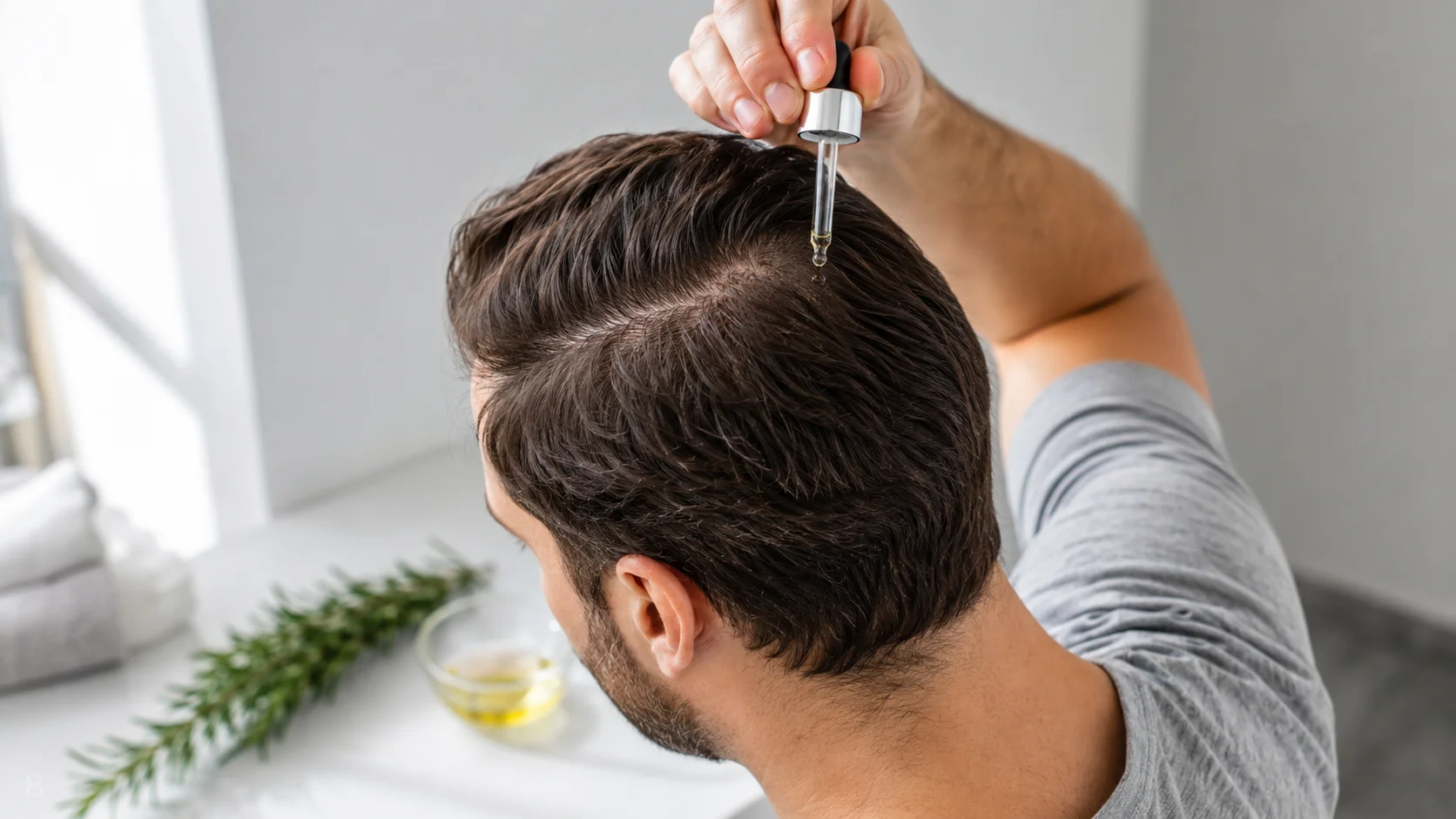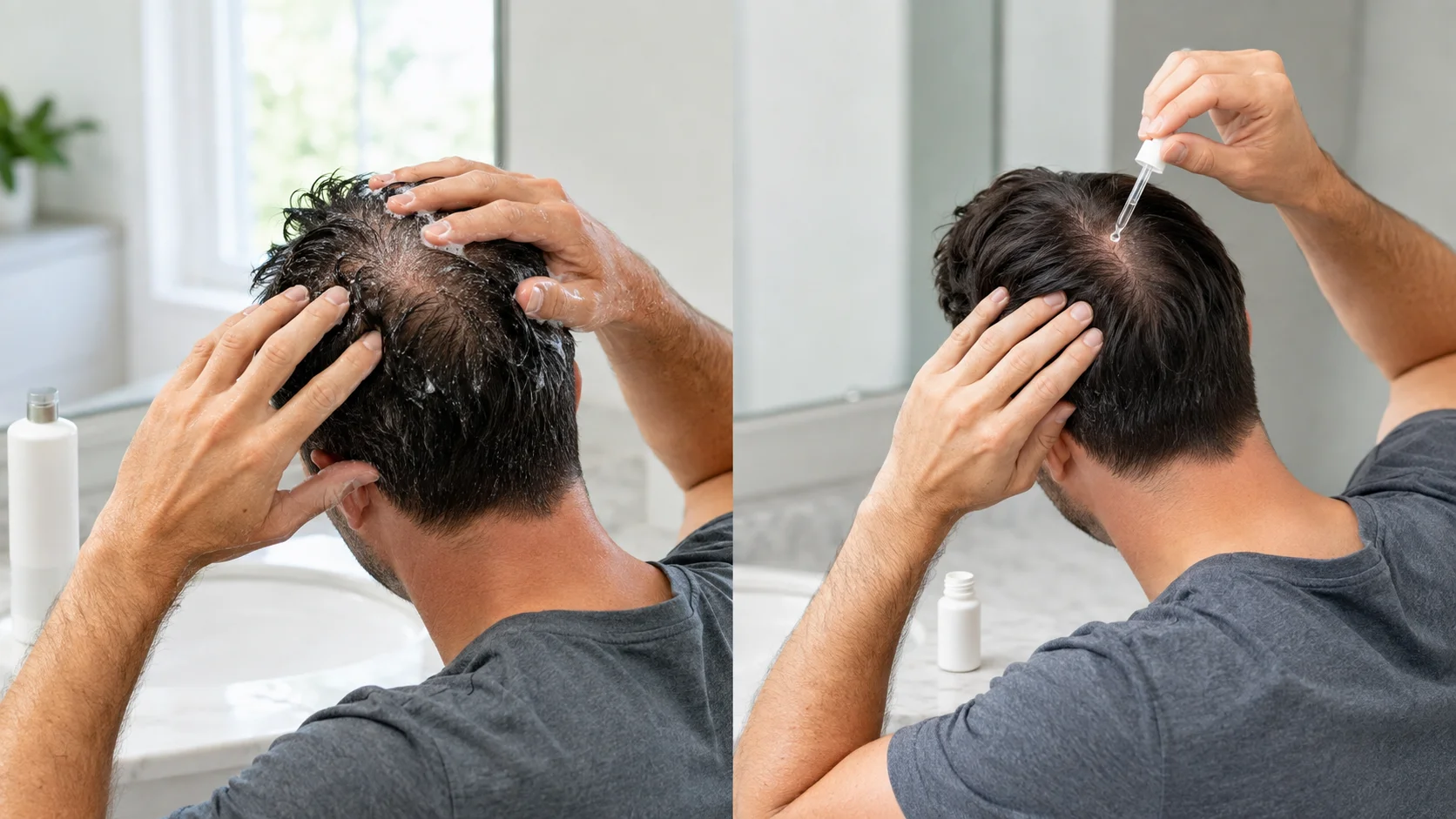
Nioxin and Rogaine are often discussed together, but they serve fundamentally different purposes. Rogaine contains minoxidil, an active medication used to promote hair growth in certain forms of hair loss. Nioxin is primarily part of a broader hair and scalp care system intended to cleanse the scalp and make thinning hair look fuller.
For someone trying to choose between them, the central question is whether the goal is to treat a recognized type of hair loss or improve the appearance and condition of existing hair. Understanding this distinction can prevent unrealistic expectations and help guide a more appropriate approach.
The Main Difference Between Nioxin and Rogaine
Rogaine is a brand of topical minoxidil. Minoxidil is used for pattern hair loss and can help some people maintain hair or achieve partial regrowth. It affects the hair growth cycle, although the exact biological mechanisms responsible for its benefits are not fully understood.
Nioxin offers shampoos, conditioners, scalp treatments, and styling products for thinning hair. Formulas vary among product systems, but they generally focus on cleansing, reducing residue, supporting scalp care, and increasing the cosmetic fullness of hair.
In practical terms:
- Rogaine is a hair loss medication.
- Nioxin is mainly a cosmetic hair and scalp care range.
- Minoxidil may influence follicle activity and hair growth.
- Nioxin may help hair look thicker but is not considered a replacement for an evidence-based hair loss treatment.
How Rogaine Works
Minoxidil is applied directly to the scalp as a liquid or foam. It may prolong the active growth phase of the hair cycle and increase the size of some miniaturized follicles. These effects can produce thicker or longer-growing hairs in responsive individuals.
Minoxidil is most commonly used for androgenetic alopecia, also called male or female pattern hair loss. It tends to work best where follicles are still present but producing progressively finer hairs. It cannot reliably restore hair in areas where follicles are no longer capable of growth.
Results vary. Some users mainly experience slower progression, while others notice visible improvement in density. Consistent use is important because any benefit generally fades after treatment is discontinued.
What Nioxin Can and Cannot Do
Nioxin products may make the scalp feel cleaner and the hair appear more substantial. Removing excess oil and product buildup can prevent fine strands from becoming weighed down. Conditioners and styling ingredients may also increase body or reduce breakage, creating the impression of greater density.
Those cosmetic improvements can be worthwhile, particularly for people whose hair has become fine, fragile, or difficult to style. However, an increase in volume is not the same as the reversal of follicle miniaturization.
Nioxin should therefore be viewed as supportive hair care rather than a proven treatment for pattern hair loss. Its ability to produce lasting regrowth has not been established to the same standard as topical minoxidil.
Which One Is More Effective for Hair Regrowth?
For actual hair regrowth, Rogaine generally has the stronger evidence because it contains an established active medication. It may be suitable for adults with pattern hair loss after the cause and appropriateness of treatment have been considered.
Nioxin may improve how existing hair looks and feels, but it should not be expected to produce the same biological effect. Photographs taken immediately after styling can make cosmetic volume appear similar to regrowth, so progress should be assessed under consistent lighting, hair length, and styling conditions.
Neither option addresses every cause of shedding. Sudden hair loss can be associated with illness, nutritional problems, hormonal changes, medications, major stress, inflammatory scalp disease, or autoimmune conditions. Treating suspected pattern loss without investigating unusual symptoms may delay an accurate diagnosis.
Side Effects and Practical Considerations
Topical minoxidil can cause scalp irritation, itching, dryness, or unwanted facial hair if it spreads beyond the intended area. A temporary increase in shedding can occur during the early phase of treatment as follicles transition through the growth cycle.
Less common symptoms, such as dizziness, rapid heartbeat, swelling, or chest discomfort, require prompt medical advice. People who are pregnant, planning pregnancy, breastfeeding, have cardiovascular concerns, or have a damaged or inflamed scalp should seek professional guidance before use.
Nioxin products may also irritate sensitive skin. Fragrance, cleansing agents, botanical ingredients, or other components can cause dryness, burning, or allergic contact dermatitis in some users. A product marketed for the scalp is not automatically suitable for every scalp condition.
Can Nioxin and Rogaine Be Used Together?
Some people use Nioxin products as part of their washing routine while applying minoxidil separately. The combination may be reasonable when the scalp tolerates both, but using more products does not necessarily improve regrowth.
Minoxidil should be applied according to its directions, usually to a dry scalp rather than the hair itself. Other scalp products should not dilute it, spread it to unintended areas, or prevent it from drying properly. Layering multiple potentially irritating products can also make redness or flaking worse.
Introducing one product at a time makes it easier to identify the cause of irritation. A pharmacist or medical professional can advise on timing when several topical products are being used.
How Long Does It Take to See a Difference?
Cosmetic changes from a volumizing shampoo or conditioner may be noticeable after washing and styling. These effects are temporary and depend on the condition and arrangement of the hair fibers.
Minoxidil requires considerably more patience. Hair grows slowly, and early shedding can make progress difficult to judge. Several months of consistent use may be needed before a meaningful assessment is possible. Treatment should not be declared ineffective after only a few applications or weeks unless adverse effects require it to be stopped.
Standardized photographs taken about once a month can provide a more reliable comparison than daily mirror checks.
How to Choose Between Them
Rogaine may be the more relevant option when:
- Pattern hair loss is suspected or confirmed.
- The objective is to preserve hair or encourage regrowth.
- Long-term, consistent treatment is acceptable.
- There is no medical reason to avoid topical minoxidil.
Nioxin may be useful when:
- The main goal is cleaner-feeling, fuller-looking hair.
- Fine strands are being weighed down by oil or residue.
- A cosmetic complement to a broader plan is desired.
- The user understands that improved volume does not prove new growth.
The choice does not always have to be exclusive. A cosmetic system can support styling while a separately selected treatment addresses the underlying hair loss. The key is to assign each product a realistic role.
When to Seek a Hair Loss Evaluation
Professional assessment is especially important when shedding begins suddenly, develops in patches, affects the eyebrows or body hair, or occurs with pain, scaling, sores, or marked redness. Evaluation is also appropriate when hair loss follows a new medication, illness, restrictive diet, or major hormonal change.
A clinician can examine the pattern, scalp, hair shafts, and medical history. Testing may be recommended when signs suggest iron deficiency, thyroid dysfunction, inflammation, or another underlying condition.
Frequently Asked Questions
Is Nioxin the same as minoxidil?
No. Standard Nioxin shampoos and scalp care products are not the same as topical minoxidil. Product labels should always be checked because ranges and formulations can change.
Does Nioxin regrow hair?
Nioxin may improve the cosmetic fullness and condition of existing hair, but it should not be assumed to regrow hair in the way a recognized medication may.
Does Rogaine work permanently?
Minoxidil does not permanently cure pattern hair loss. Benefits usually depend on continued use, and hair supported by treatment may gradually be lost after discontinuation.
Can minoxidil make hair shedding worse at first?
A temporary increase in shedding can occur early in treatment. Persistent, severe, or otherwise unusual shedding should be medically assessed.
Which product is better for a sensitive scalp?
Either may cause irritation. The better choice depends on the ingredients, scalp condition, and individual sensitivity rather than the brand category alone.
The Bottom Line
Rogaine is generally the stronger choice when the goal is evidence-based treatment of pattern hair loss, while Nioxin is better understood as cosmetic and supportive scalp care. Nioxin may make existing hair look fuller, but it does not provide an equivalent substitute for minoxidil.
Before starting treatment, it is worth confirming why the hair is thinning. The most effective plan is one matched to the cause, the condition of the scalp, and the person's tolerance for long-term use.
This content is for general informational purposes and does not replace individualized medical advice, diagnosis, or treatment.