Hair Care Essentials: Everything You Need to Know About Healthy Hair Care
Healthy hair care begins with simple, consistent habits. While hair type, scalp condition, lifestyle, and genetics all influence how hair looks and feels, most people benefit from a routine that cleanses the scalp, protects the hair shaft, limits unnecessary damage, and supports overall health.
A healthy hair care routine does not need to be complicated. In most cases, it should include gentle washing, appropriate conditioning, careful detangling, heat protection when needed, scalp awareness, and realistic expectations. Hair is not living tissue once it leaves the scalp, so the goal is to preserve its strength and appearance while supporting the scalp where new growth begins.
What Healthy Hair Care Really Means
Healthy hair care is not only about shine or length. It is about maintaining the condition of the scalp and protecting the structure of the hair fiber.
The hair shaft can become weakened by friction, heat, harsh chemicals, tight hairstyles, and environmental exposure. Once the shaft is damaged, it cannot fully repair itself in the same way skin can. Products may temporarily smooth or strengthen the appearance of hair, but prevention is usually more effective than correction.
The scalp also matters. A balanced scalp environment can support normal hair growth, while irritation, inflammation, heavy buildup, or untreated scalp conditions may affect comfort and hair quality. For this reason, good hair care should consider both the hair and the scalp.
Know Your Hair Type and Scalp Needs
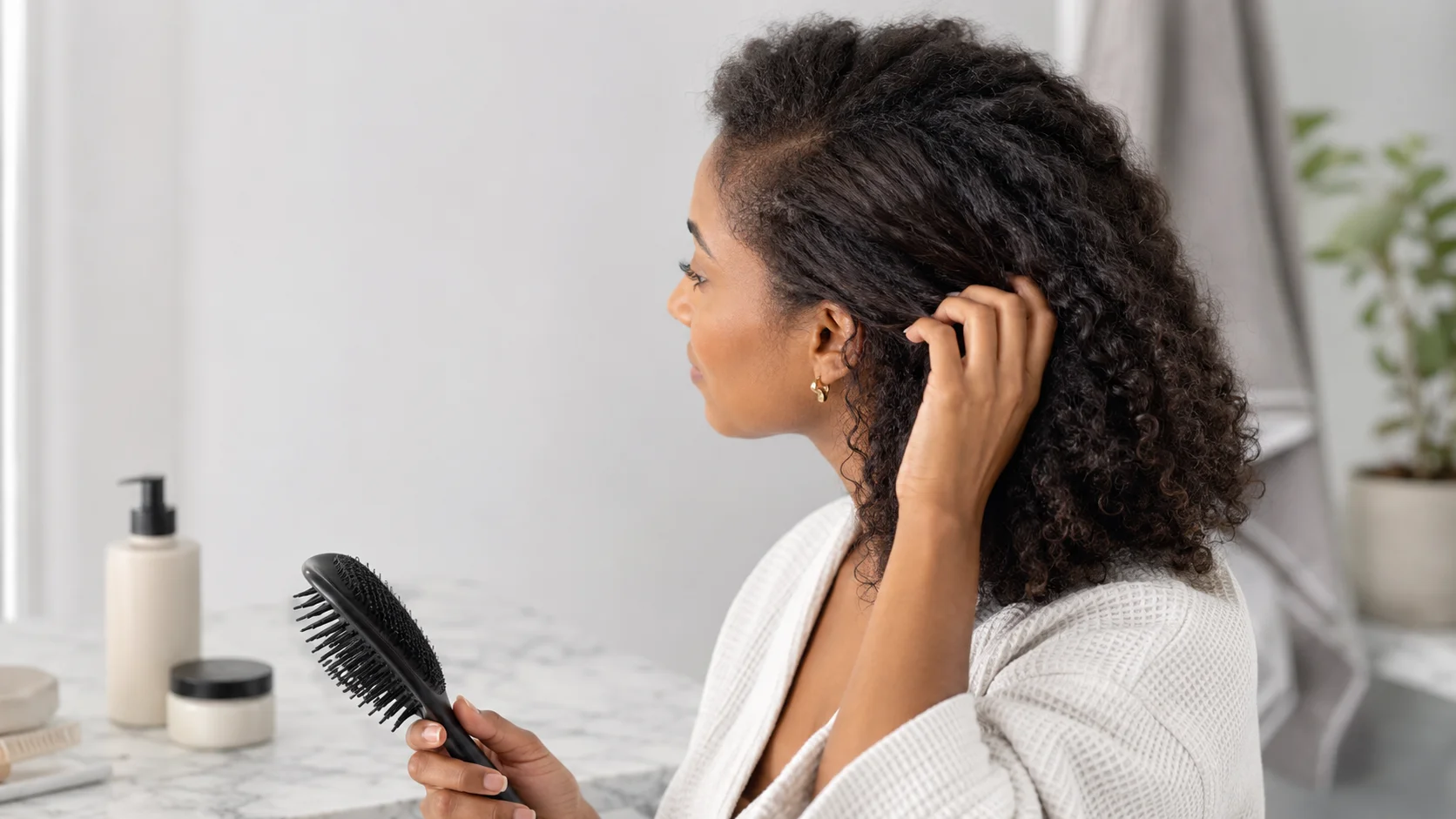
There is no single perfect routine for everyone. Fine, thick, curly, coily, straight, oily, dry, chemically treated, and color-treated hair may all need different care.
Fine hair may become weighed down by heavy conditioners or oils. Curly and coily hair often needs more moisture and careful detangling because natural oils may not travel easily along the hair shaft. Oily scalps may need more frequent cleansing, while dry or sensitive scalps may respond better to mild products and less aggressive washing.
It can help to observe a few basic signs:
- Hair that feels greasy quickly may need more frequent scalp cleansing.
- Hair that tangles, snaps, or feels rough may need better conditioning and gentler handling.
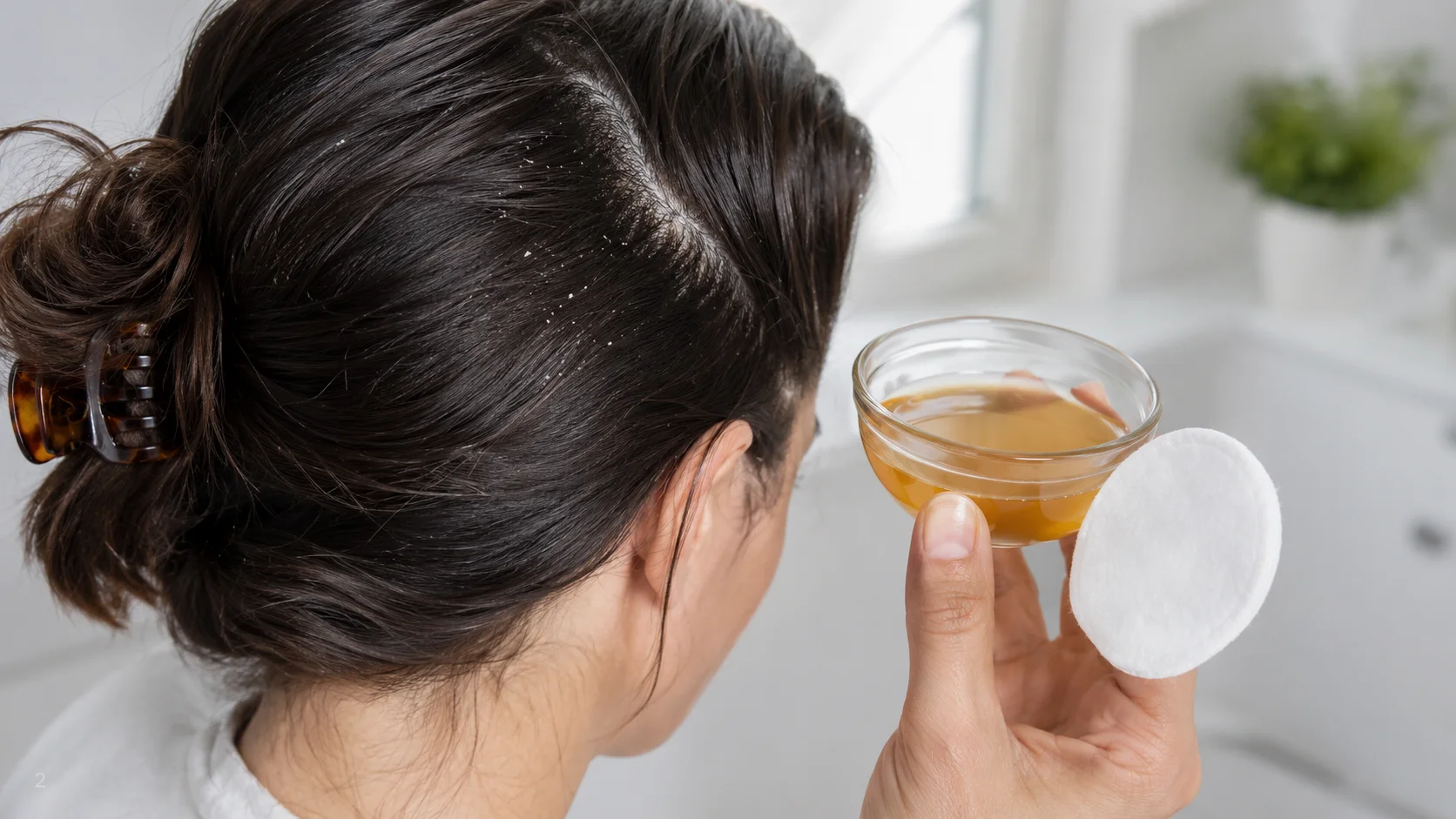
- A flaky, itchy, painful, or inflamed scalp may need professional evaluation.
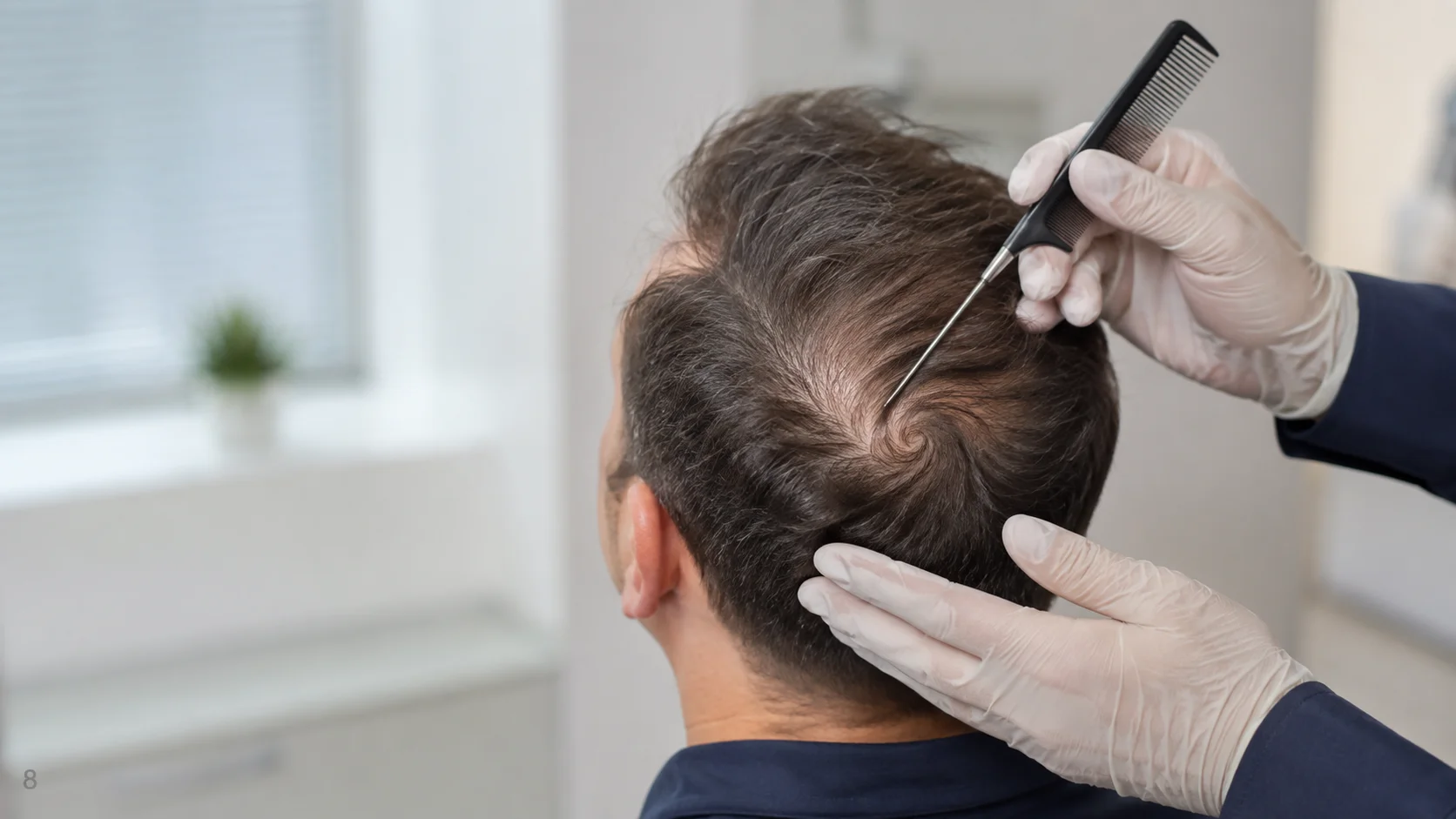
- Sudden shedding or visible thinning should not be treated as a routine cosmetic issue.
Understanding these patterns makes it easier to build a routine that fits your actual needs rather than following trends.
Washing: How Often Is Enough?
How often you wash your hair depends on scalp oil production, activity level, styling products, hair texture, and personal comfort. Some people do well washing daily, while others may wash two or three times per week.
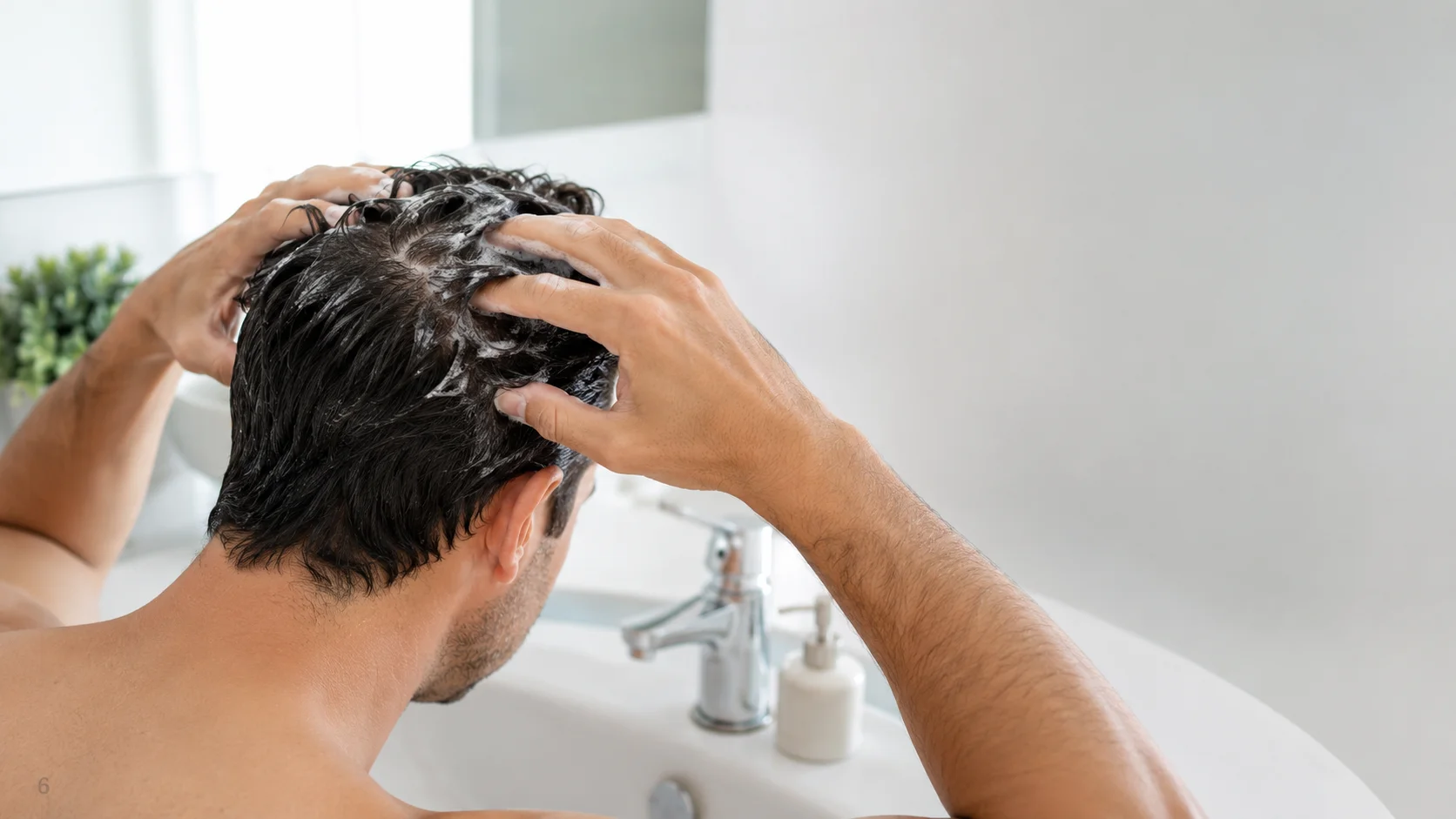
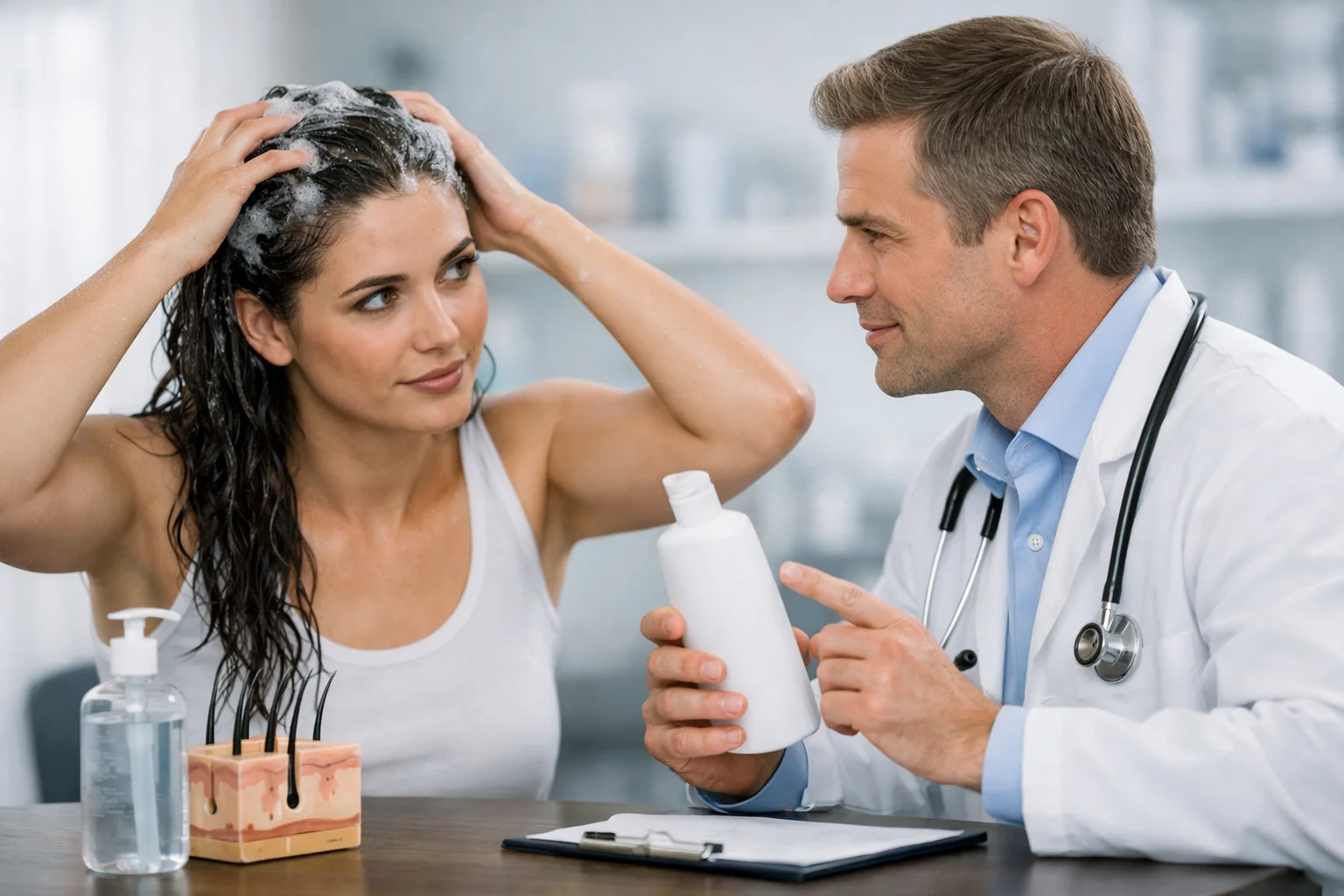
The main purpose of shampoo is to clean the scalp. Oil, sweat, dead skin cells, pollution, and styling residue can build up over time. If buildup becomes heavy, the scalp may feel itchy or uncomfortable, and the hair may look dull or flat.
When washing, focus shampoo on the scalp rather than aggressively rubbing the lengths. The foam that runs through the hair is usually enough to cleanse the shaft. Scrubbing the ends can increase friction and dryness, especially for longer or textured hair.
Conditioning and Moisture Balance
Conditioner helps reduce friction, improve manageability, and make hair easier to detangle. It does not permanently repair damaged hair, but it can protect the hair shaft and improve the way hair feels.
Most people should apply conditioner mainly to the mid-lengths and ends. Applying heavy conditioner directly to the scalp may make fine or oily hair feel limp, although some dry or textured hair types may tolerate richer products.
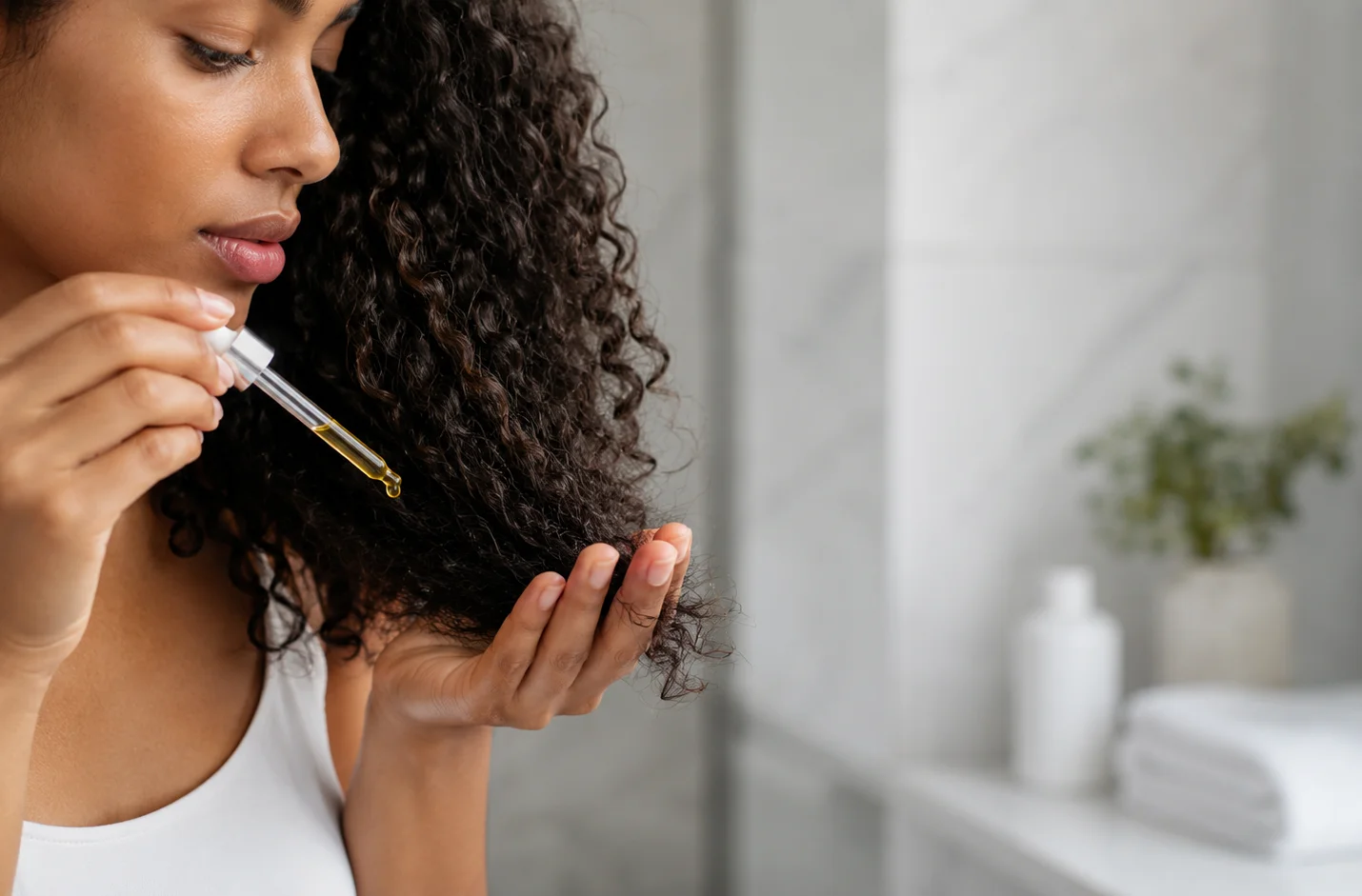
Leave-in conditioners, masks, and oils can be useful for some hair types, but more product is not always better. Overuse may cause buildup, dullness, or a coated feeling. The best routine is one that leaves hair manageable without making the scalp uncomfortable.
Styling Without Unnecessary Damage
Styling habits can have a major effect on hair quality. Heat tools, tight hairstyles, teasing, aggressive brushing, and chemical processing can all increase breakage.
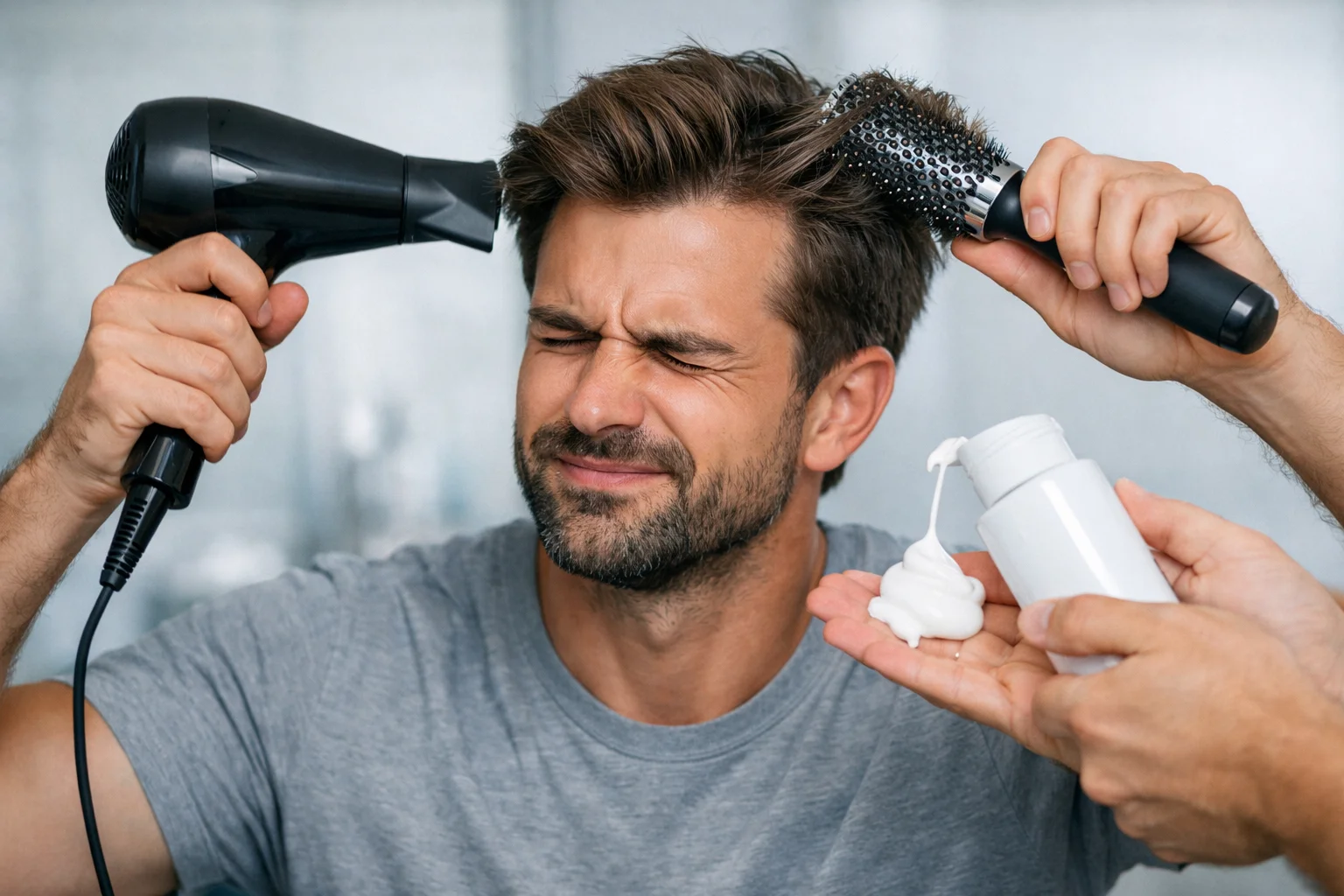
Heat is one of the most common causes of cosmetic hair damage. If you use heat tools, apply a heat protectant, use the lowest effective temperature, and avoid repeated passes over the same section. Letting hair air-dry partially before blow-drying may also reduce exposure time.
Tight hairstyles can place tension on the hair follicles, especially around the hairline and temples. Repeated tension may contribute to traction-related thinning in some people. Looser styles and alternating hairstyles can reduce this risk.
Nutrition, Lifestyle, and Hair Health
Hair growth is influenced by overall health. A balanced diet with enough protein, iron, zinc, essential fatty acids, and key vitamins supports normal hair production. Severe dieting, nutritional deficiencies, illness, major stress, and hormonal changes may contribute to shedding in some people.
Supplements are not automatically helpful unless there is a deficiency or specific medical reason. Taking unnecessary supplements may not improve hair and can sometimes create other health concerns. If hair shedding is sudden, persistent, or unexplained, a professional evaluation is more useful than guessing.
and environmental factors like salt water and sun exposure.
Frequently Asked Questions
Do I need a complicated routine for healthy hair?
No. Most people need a consistent routine that includes cleansing, conditioning, gentle handling, and protection from avoidable damage. A simple routine done well is often better than a long routine that irritates the scalp or overloads the hair.
Is washing hair every day bad?
Not necessarily. Daily washing may be appropriate for oily scalps, frequent exercisers, or people who use scalp products. The key is using a suitable shampoo and avoiding aggressive scrubbing or drying habits.
Can damaged hair be repaired?
Products can improve the appearance and feel of damaged hair, but severely damaged hair cannot be fully restored. Trimming damaged ends and preventing further damage are often the most realistic approaches.
Does healthy hair care prevent hair loss?
Good hair care can reduce breakage and support scalp comfort, but it cannot prevent all forms of hair loss. Genetic, hormonal, autoimmune, medical, and nutritional causes may require professional diagnosis and treatment.
Final Thoughts
Healthy hair care is built on consistency, not perfection. The best routine is one that keeps your scalp comfortable, your hair manageable, and your styling habits gentle enough to avoid unnecessary damage.
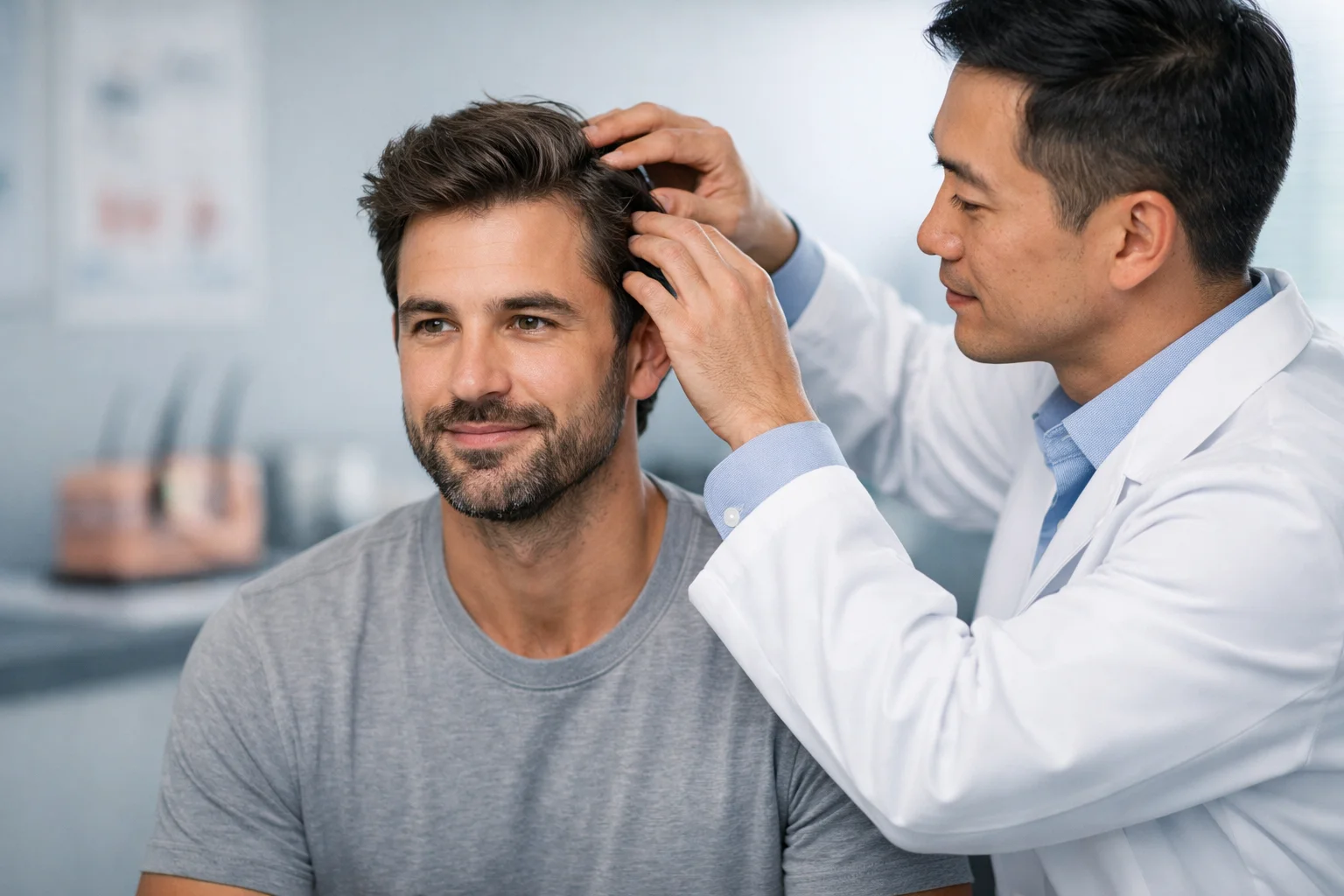
If you notice sudden shedding, patchy hair loss, scalp pain, inflammation, or progressive thinning, it is worth seeking individualized professional guidance. Hair care can support healthy-looking hair, but medical hair loss concerns often need a deeper evaluation.
This content is for general informational purposes only and does not replace individualized medical advice, diagnosis, or treatment.