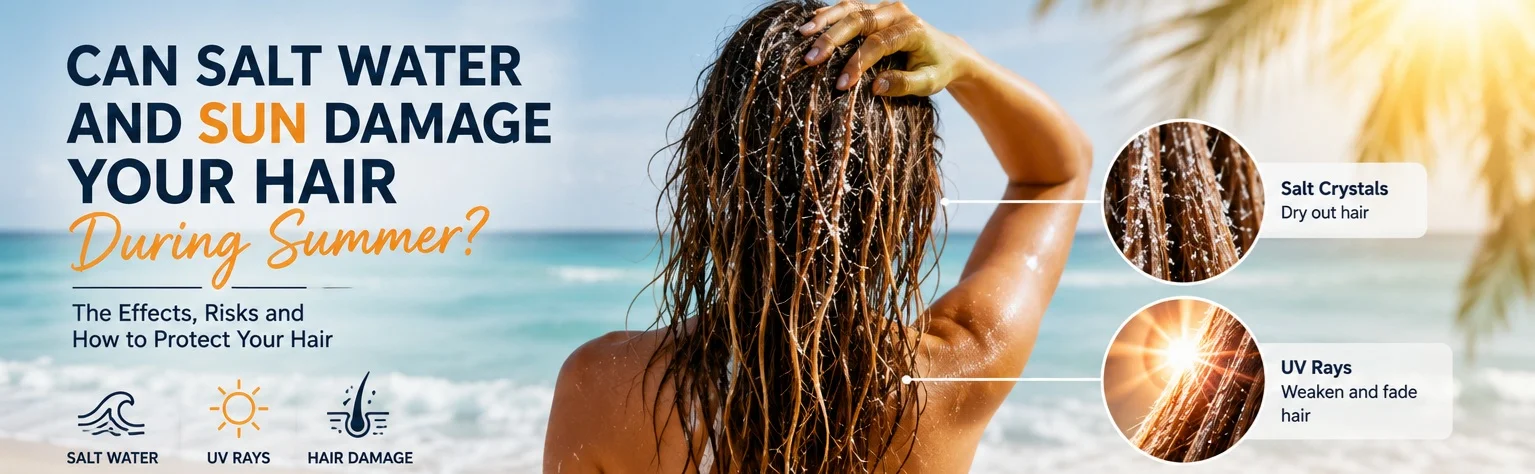
Magnesium sulfate is an inorganic mineral salt commonly known as Epsom salt. It is used in bath products and some cosmetic formulas, including texturizing sprays and hair-styling products.
For hair, its most plausible benefits are cosmetic. It can increase texture, reduce an oily feel, and make fine strands appear fuller or easier to style. There is no reliable clinical evidence that applying magnesium sulfate to the scalp accelerates hair growth or treats a follicular hair-loss disorder.
What Is Magnesium Sulfate?
Magnesium sulfate consists of magnesium, sulfur, and oxygen. It dissolves readily in water and has medical, industrial, agricultural, and cosmetic uses.
The form sold as Epsom salt should not be confused with sulfate-based cleansing surfactants. Magnesium sulfate is also different from magnesium laureth sulfate, which is a separate shampoo ingredient.
An ingredient containing the word “sulfate” is not automatically a harsh detergent. Its effects depend on its full chemical structure, concentration, formulation, and use.
Why Is It Used in Hair Products?
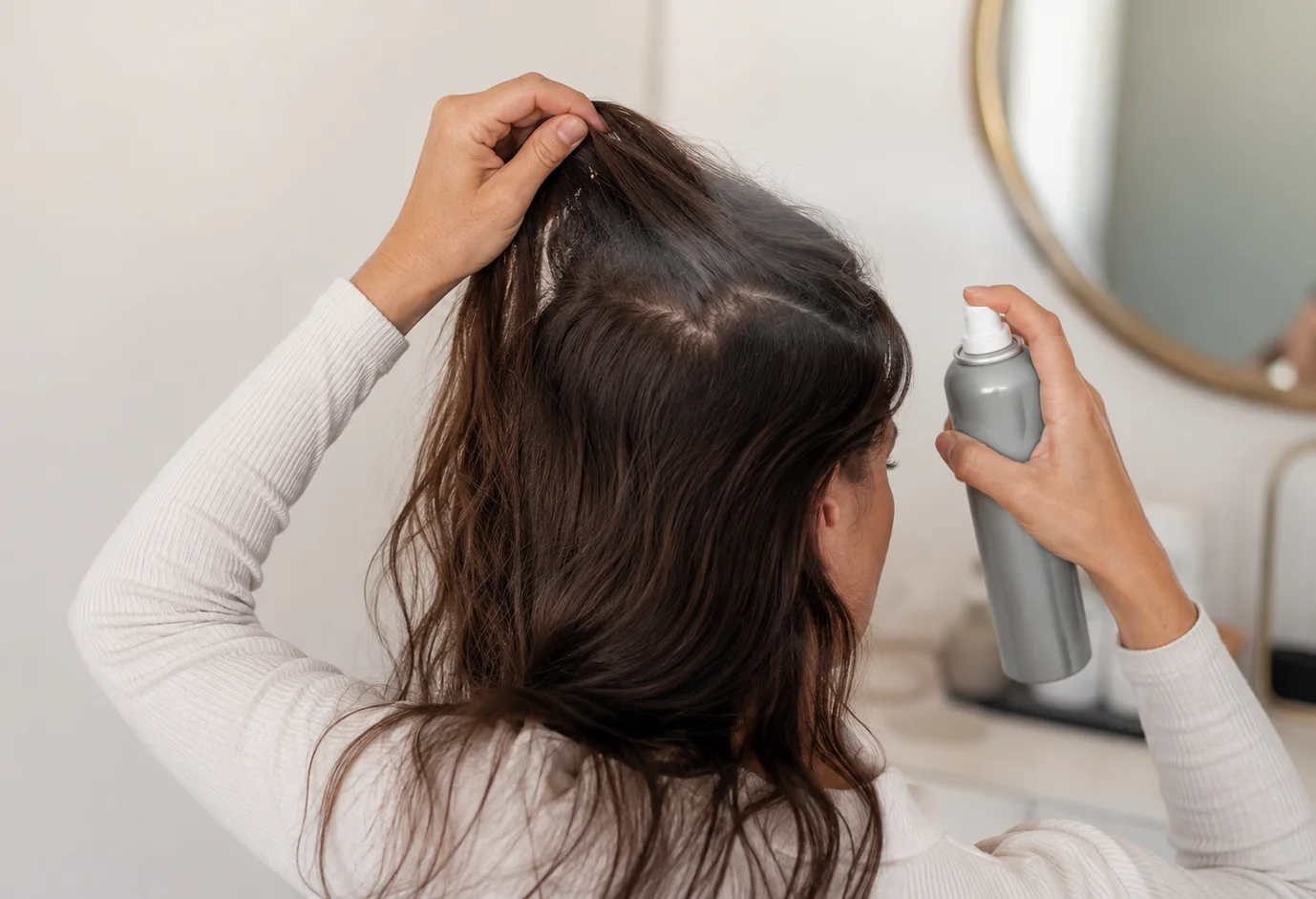
Magnesium sulfate can influence the texture and feel of a cosmetic formula. In styling products, it may help create:
- Increased grip
- A more matte finish
- Temporary volume
- Enhanced wave or curl definition
- Reduced oily feel
- A beach-like texture
These effects occur on the exposed hair shaft. They do not demonstrate improved follicle function or a change in biological growth rate.
Can Magnesium Sulfate Make Hair Look Thicker?
It may make individual strands feel rougher or less slippery, allowing them to separate and hold volume. Fine or oily hair may consequently appear fuller.
This is temporary styling support rather than an increase in hair density. The product does not create additional follicles or reverse miniaturization.
Repeatedly increasing friction can also make damaged hair harder to detangle, so cosmetic volume may come with a tradeoff in softness.
Does It Help Curly or Wavy Hair?
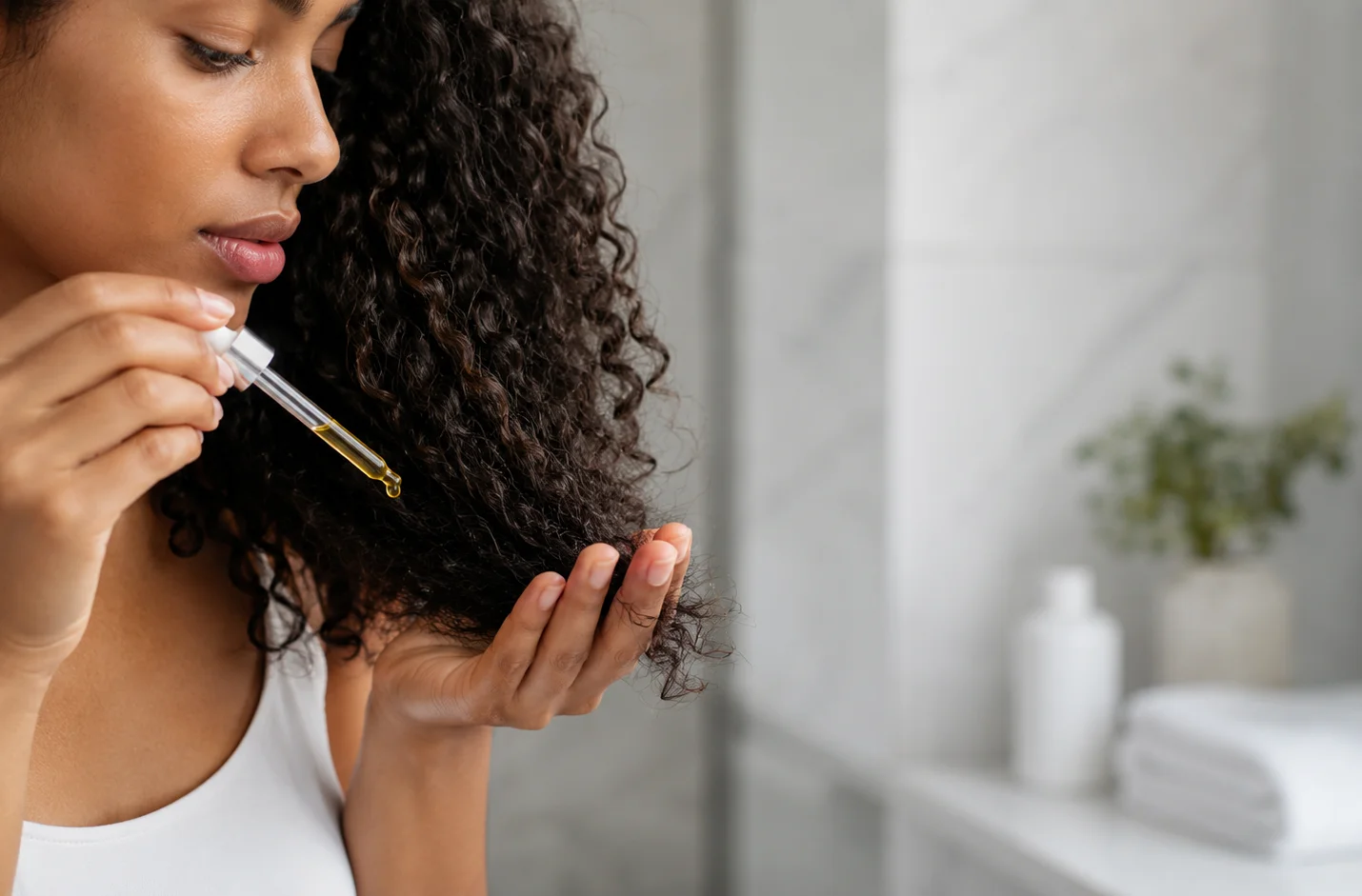
Texturizing products containing mineral salts can help some waves or curls hold their shape. Other hair becomes stiff, dry, tangled, or frizzy.
Response depends on porosity, existing damage, humidity, accompanying conditioning ingredients, and product concentration. A commercially formulated product is generally more predictable than mixing concentrated Epsom salt into water at home.
Salt-based styling should not be assumed suitable for every curl pattern.
Can Magnesium Sulfate Promote Hair Growth?
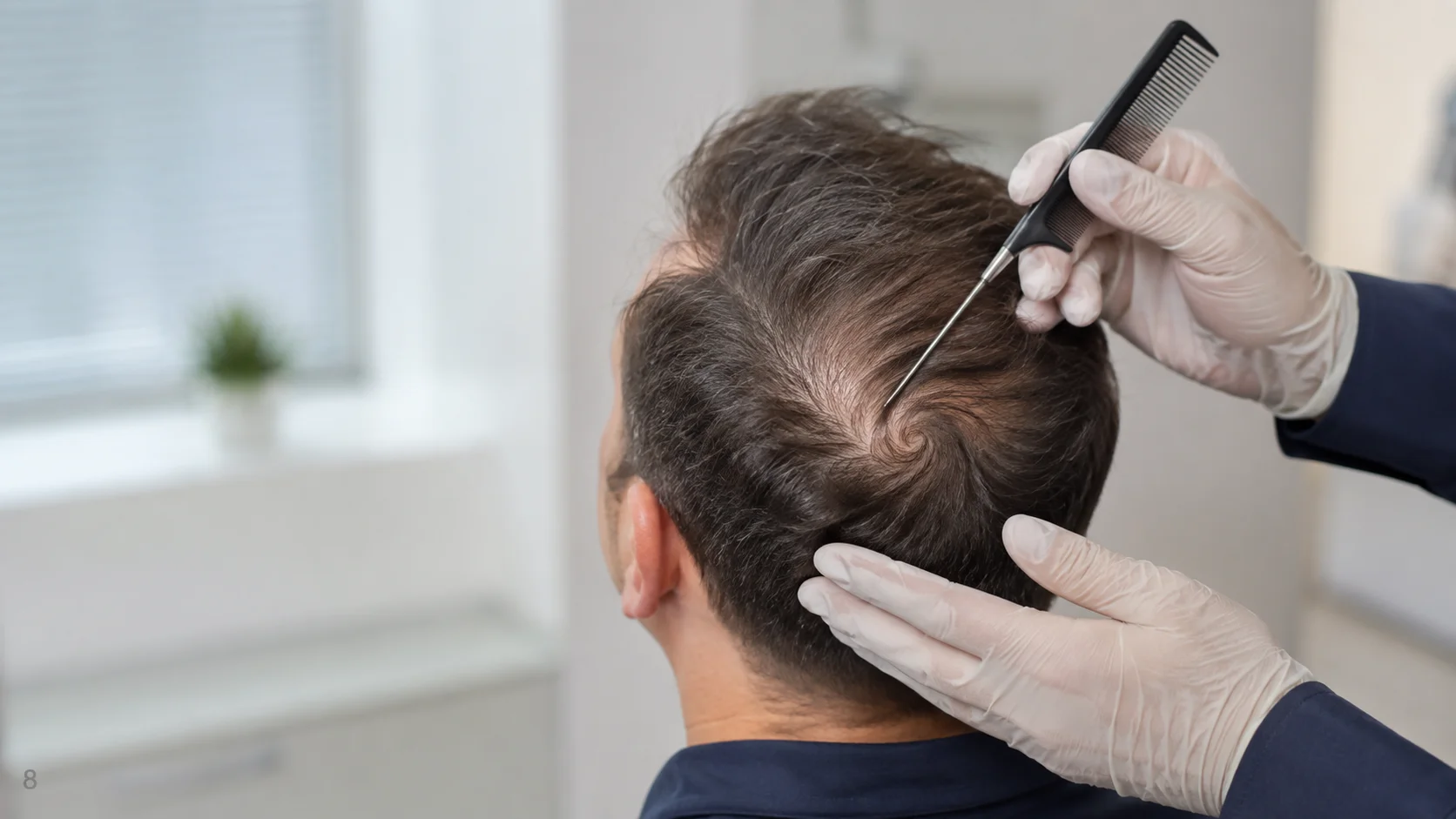
There is no established evidence that topical magnesium sulfate treats androgenetic alopecia, alopecia areata, telogen effluvium, or scarring hair loss.
Magnesium is an essential mineral in the body, but applying a magnesium salt to the scalp does not prove that follicles absorb a useful amount or grow more quickly.
A diagnosed dietary deficiency should be managed through appropriate medical and nutritional care. Topical Epsom salt is not a substitute for that evaluation.
Possible Effects on the Scalp
Dilute magnesium sulfate in a properly formulated cosmetic is generally considered safe for its intended use. Individual tolerance still varies.
Potential problems include:
- Dryness
- Tightness
- Stinging
- Increased flaking
- Irritation of broken skin
- Worsening of an impaired scalp barrier
- Residue if the product is not rinsed properly
A salty solution can sting scratches, eczema, inflamed follicles, or skin damaged by chemical treatments.
Magnesium sulfate should not be used as a treatment for psoriasis, seborrheic dermatitis, fungal infection, or scarring alopecia unless it is part of a plan recommended by an appropriate healthcare professional.
Hair-Shaft Risks
Hair repeatedly exposed to salt-based products may feel dry or rough. Increased friction can contribute to tangling and mechanical breakage, particularly when hair is:
- Bleached
- Chemically straightened
- Highly porous
- Fine
- Already affected by split ends
- Frequently heat styled
- Curly or tightly coiled and prone to dryness
A conditioner or leave-in product may reduce the drying effect, but it cannot make excessive exposure harmless.
Epsom Salt Versus Sea Salt
Epsom salt is magnesium sulfate, while sea salt consists mainly of sodium chloride along with smaller amounts of other minerals.
Both can create texture and absorb or redistribute moisture at the hair surface. They are not interchangeable in every formula, and neither has established follicular hair-growth benefits.
The word “mineral” should not be interpreted as evidence of superior safety or effectiveness.
Is a DIY Epsom Salt Hair Spray Safe?
DIY mixtures create uncertainty about concentration, contamination, stability, and even distribution. A solution that feels mild on one use can become irritating with frequent application or evaporation.
Anyone trying a rinse-off preparation should use a low concentration, avoid damaged skin, stop if irritation develops, and rinse thoroughly. A patch test cannot rule out every reaction.
Commercial products designed for hair usually combine texturizing ingredients with conditioners or film-formers to balance feel and manageability.
Who Should Be Cautious?
Extra caution is appropriate for people with:
- Eczema or psoriasis
- Active seborrheic dermatitis
- Open scratches or sores
- Scalp folliculitis
- Recent bleaching or chemical burns
- Very fragile or highly porous hair
- Unexplained itching or hair loss
- A known reaction to the complete product
Symptoms such as pain, pus, spreading redness, thick scale, or patchy loss require diagnosis rather than mineral-salt experimentation.
Frequently Asked Questions
Is magnesium sulfate good for hair growth?
There is no reliable evidence that it stimulates clinically meaningful growth or treats common forms of alopecia.
Does Epsom salt add volume?
It may temporarily increase texture and reduce slipperiness, making some hair look fuller.
Can magnesium sulfate dry out hair?
Yes. Frequent or concentrated use can leave susceptible hair rough, stiff, tangled, or dry.
Is magnesium sulfate the same as a sulfate shampoo?
No. It is a mineral salt, not the same ingredient as sulfate surfactants used for cleansing.
Can Epsom salt remove scalp buildup?
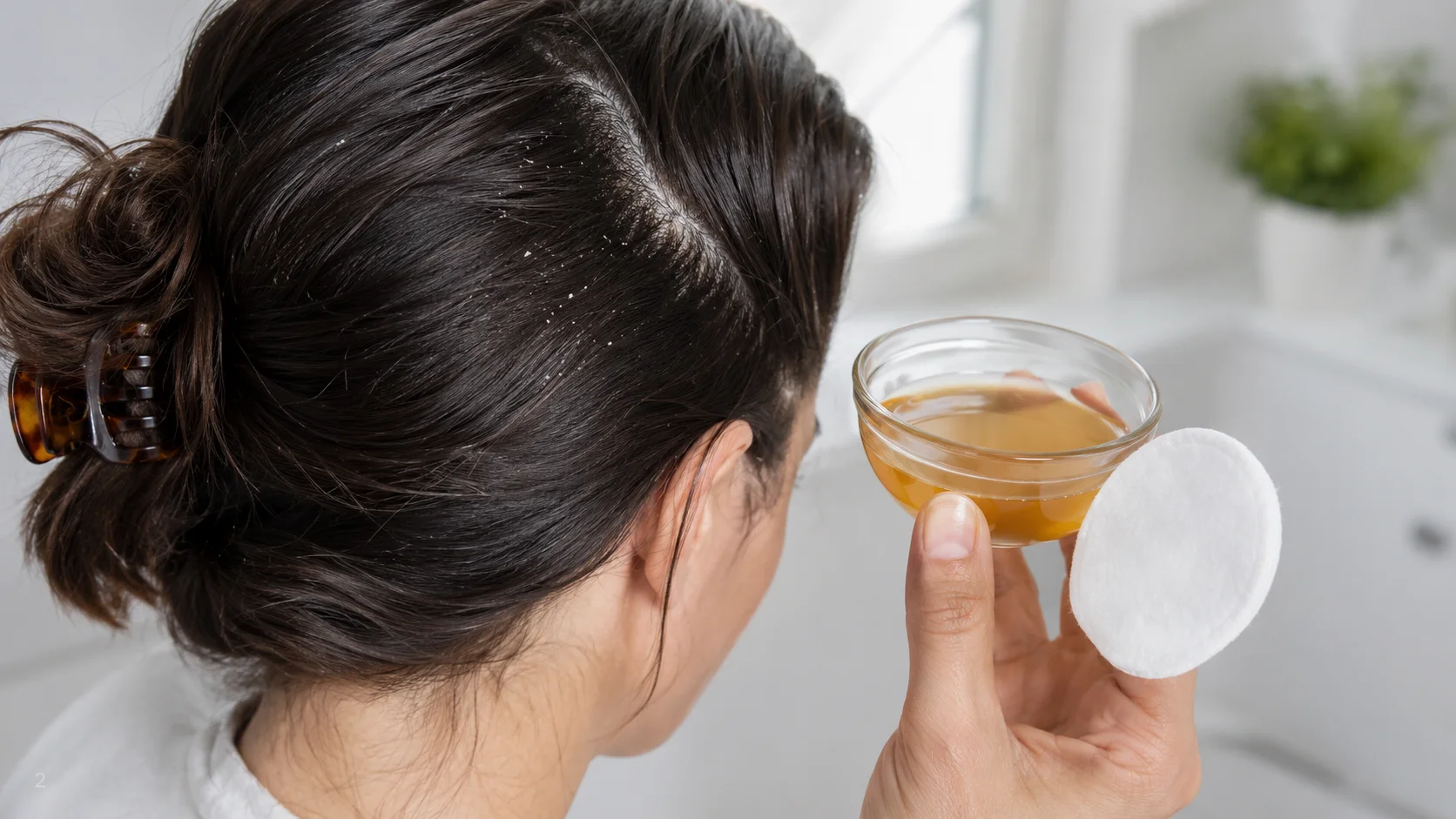
It is not a well-established scalp cleanser. Shampoo or diagnosis-specific treatment is more appropriate for oil, product residue, dandruff, or medical scale.
Can magnesium sulfate define curls?
Some formulated products may enhance texture or hold, while others increase dryness and frizz. Results vary with hair condition.
A Cosmetic Ingredient, Not a Hair-Loss Treatment
Magnesium sulfate may be useful for temporary volume, grip, or wave definition in a balanced formula. Its benefits are cosmetic, and excessive use can increase dryness or friction. It should not be presented as a source of follicular nutrition or a treatment for hair loss.
This content is for general informational purposes and does not replace individualized medical advice, diagnosis, or treatment.