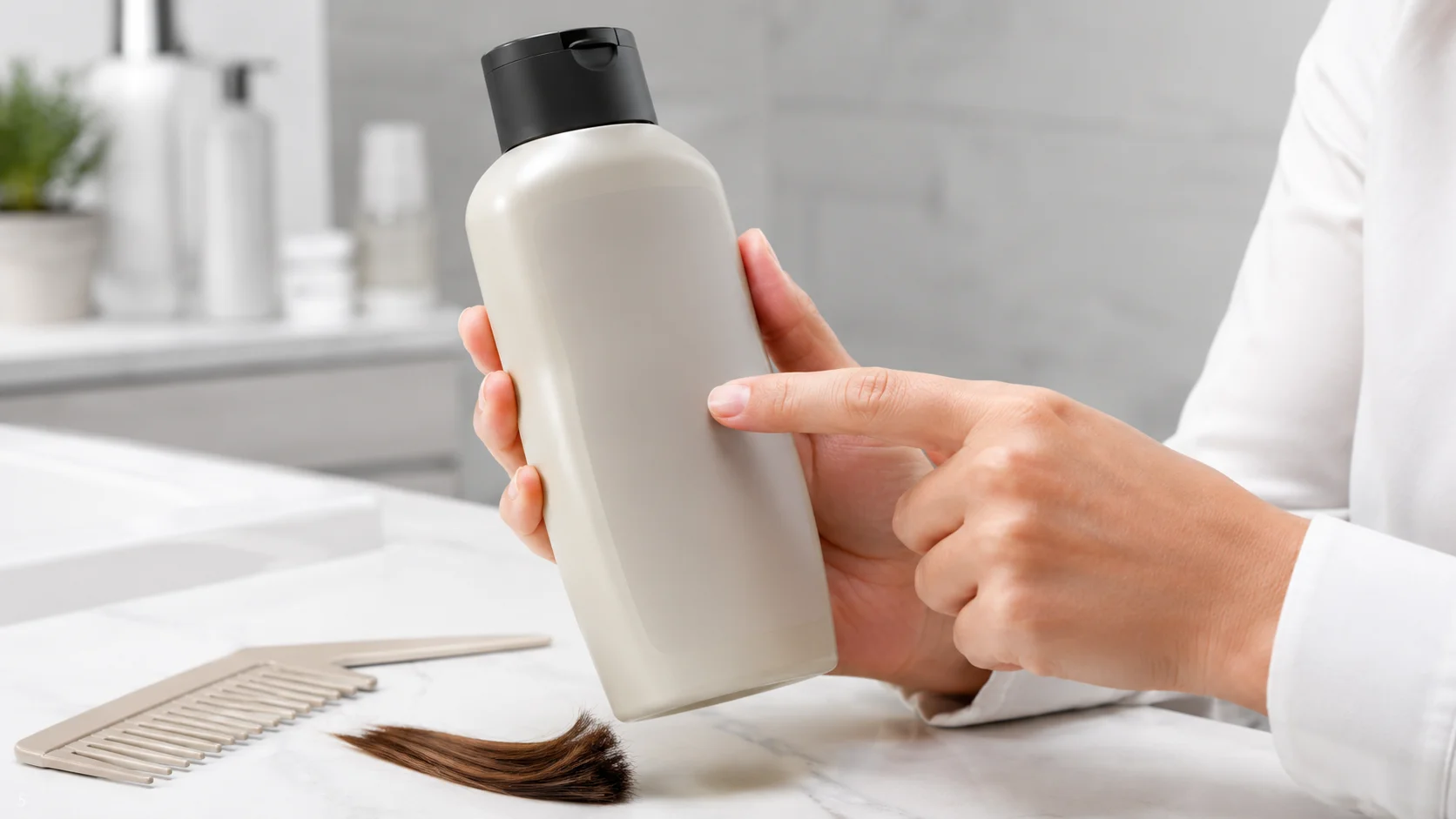
Sulfates are cleansing ingredients found in many shampoos. They help remove oil, sweat, styling products, pollution, and dead skin cells from the scalp and hair. They are also responsible for the rich foam many people associate with a “clean” wash. Yet sulfates are often blamed for dryness, irritation, color fading, frizz, and even hair loss.
The evidence is more nuanced. Sulfates can be too strong for some hair and scalp types, especially when used frequently or in poorly balanced formulas. But they are not proven to cause permanent hair loss in the average person. The best choice depends on scalp oiliness, hair texture, chemical treatments, skin sensitivity, and how often the hair is washed.
What Are Sulfates?
Sulfates are surfactants, meaning they help water mix with oil and dirt so these substances can be rinsed away. The most common shampoo sulfates include sodium lauryl sulfate, sodium laureth sulfate, and ammonium lauryl sulfate.
These ingredients are effective cleansers. That is why they are used in many shampoos, body washes, and facial cleansers. In shampoo, their job is to clean the scalp and hair, not to treat hair loss or stimulate growth.
Sodium lauryl sulfate is generally considered stronger and potentially more irritating than sodium laureth sulfate. However, irritation risk depends on the whole formula, concentration, contact time, frequency of use, and the individual’s skin barrier.
Why Sulfates Became Controversial
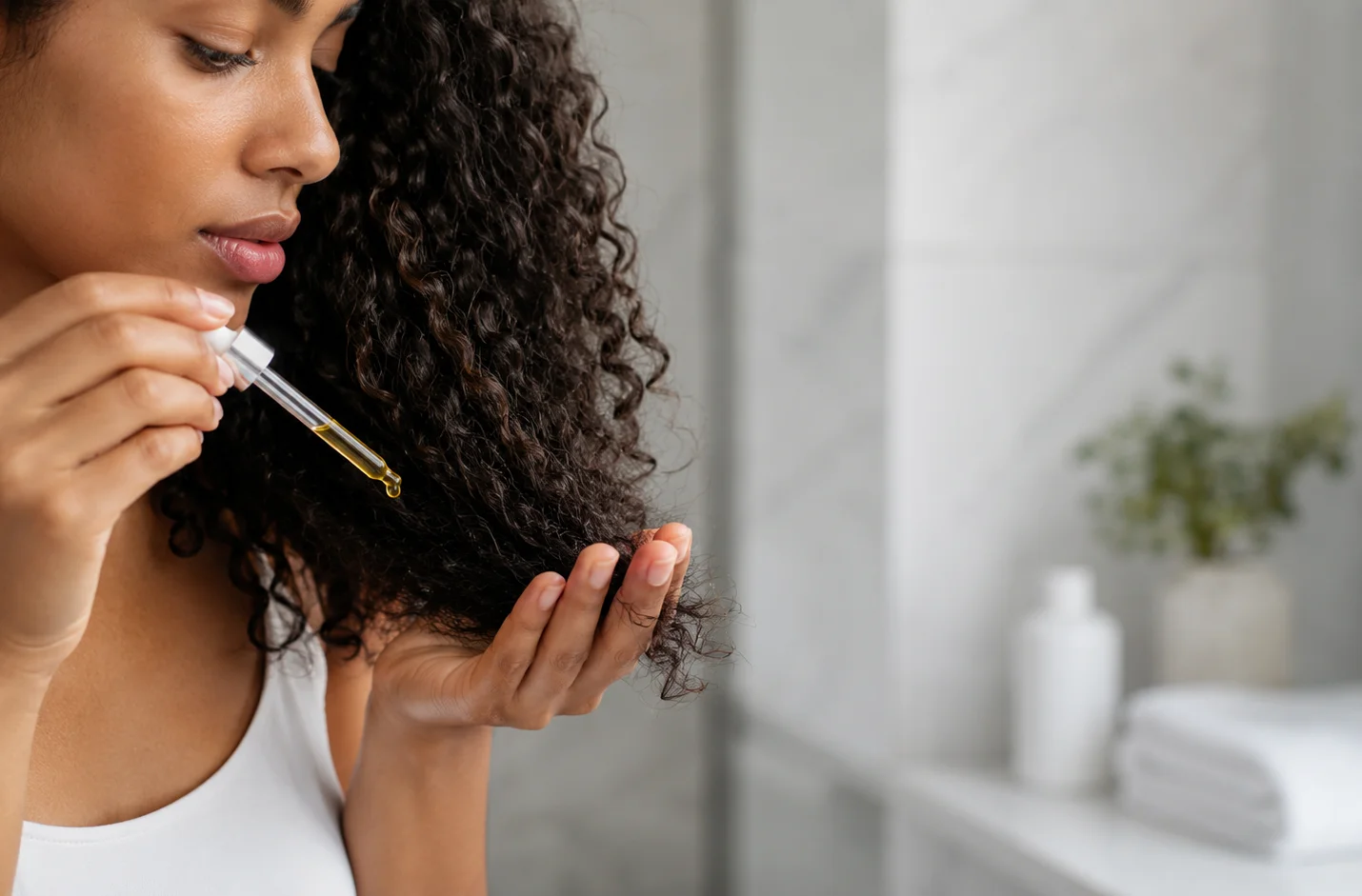
Sulfates became controversial partly because they can remove oil efficiently. For people with dry, curly, bleached, or fragile hair, that can leave the hair feeling rough or frizzy. When the hair cuticle feels raised and the strand loses lubrication, brushing and styling may cause more breakage.
Breakage can look like hair loss because the hair appears thinner or shorter. But breakage from dryness is not the same as follicle-driven hair loss. In true hair loss, the issue occurs at the follicle or growth cycle. In breakage, the strand snaps after it has already grown.
Some people also develop scalp tightness, itching, or redness from strong cleansing. If irritation is repeated, it can worsen shedding in susceptible individuals, but this is usually not the same as sulfates directly causing permanent baldness.
Do Sulfates Cause Hair Loss?
There is no strong clinical evidence that sulfates in normal shampoo use directly cause permanent hair loss. Sulfates do not cause androgenetic alopecia, alopecia areata, or scarring alopecia.
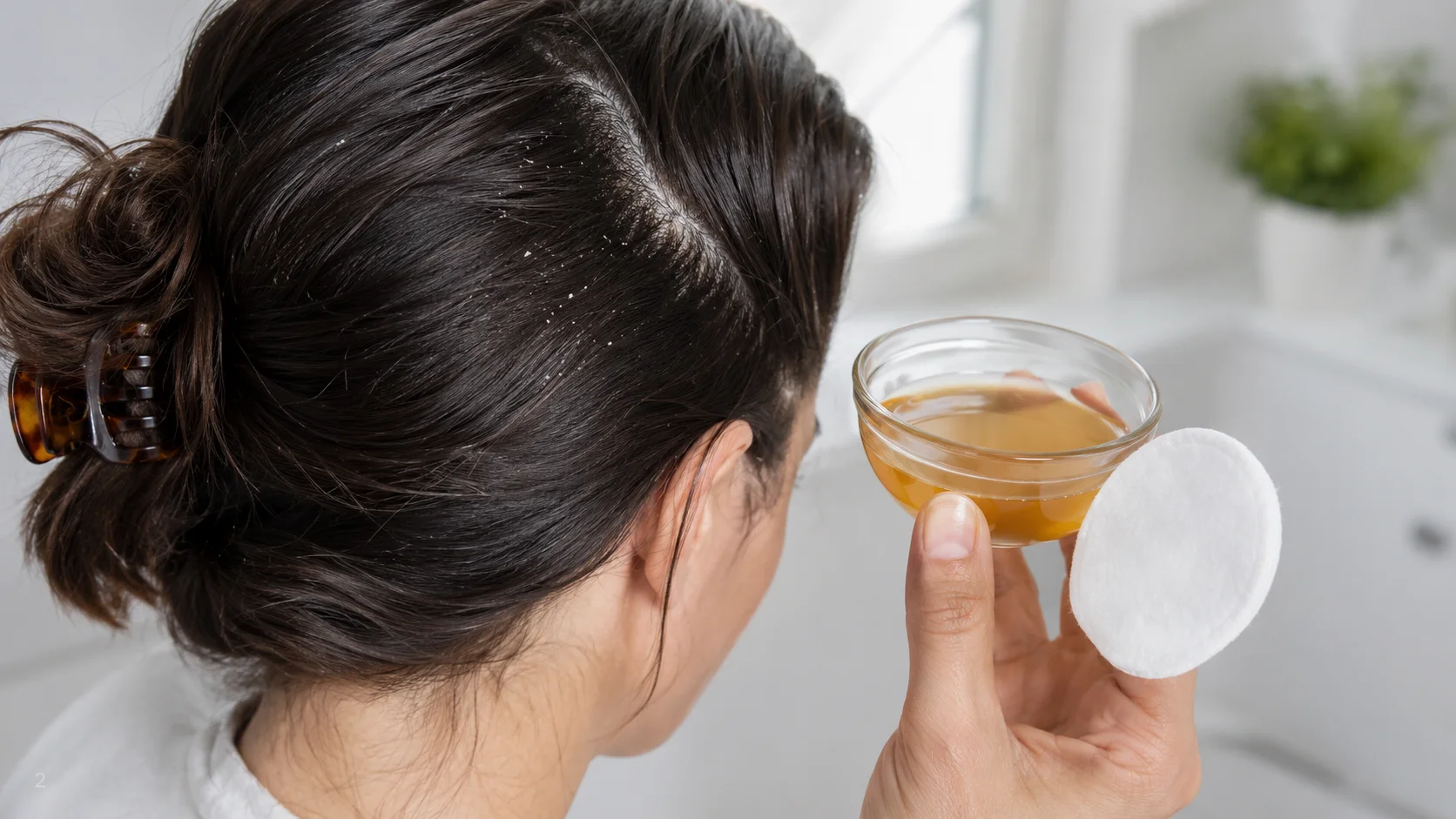
That said, harsh cleansing can contribute to conditions that make hair look worse. Excessive dryness, irritation, scratching, and breakage may increase visible shedding or reduce hair quality. People with eczema, psoriasis, seborrheic dermatitis, sensitive skin, or already fragile hair may notice more problems with strong sulfate formulas.
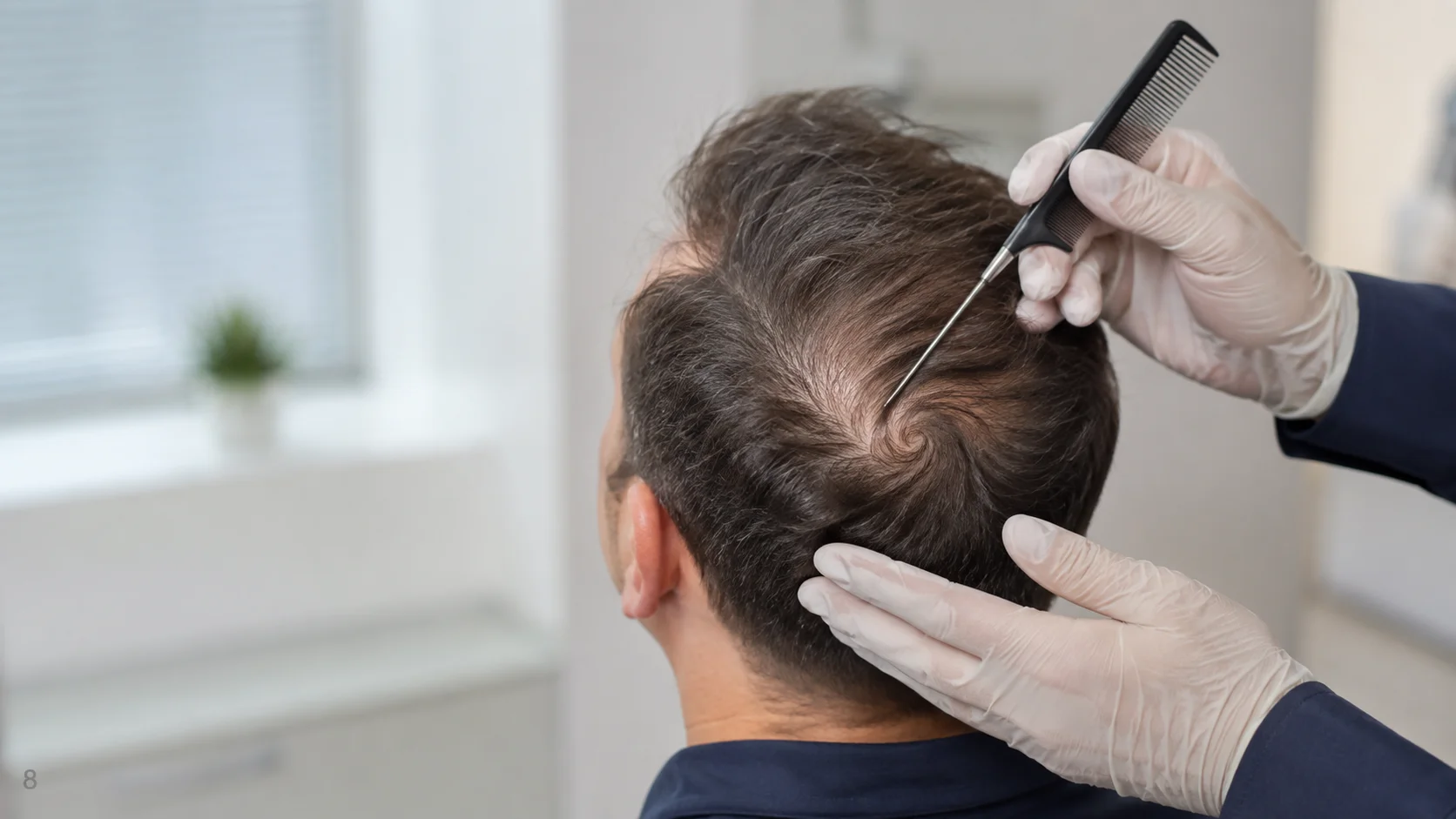
If hair loss is sudden, patchy, progressive, or associated with scalp pain, scaling, burning, or pustules, the cause should be medically evaluated. Changing shampoo may help comfort, but it should not delay diagnosis.
Who May Benefit From Sulfate Shampoo?
Sulfate shampoos can be useful for people with oily scalps, heavy styling product use, frequent sweating, or buildup from conditioners, dry shampoo, oils, or silicone-based products. A stronger cleanser can help reset the scalp and remove residue that milder shampoos may leave behind.
They may also be appropriate as an occasional clarifying shampoo. Some people do not need a sulfate shampoo every wash but benefit from one every few weeks, especially if the hair starts to feel coated or limp.
For short, untreated, oily hair, sulfate shampoos may work well without causing dryness. The key is whether the scalp feels clean without the hair becoming brittle or the skin becoming irritated.
Who May Want to Avoid or Limit Sulfates?
Sulfate-free or milder shampoos may be better for:
- Very dry or brittle hair
- Curly, coily, or textured hair that loses moisture easily
- Bleached, colored, relaxed, or chemically treated hair
- Sensitive or eczema-prone scalps
- Frequent washers
- People who experience itching or burning after shampooing
Color-treated hair may also fade faster with strong cleansing, although color loss depends on dye type, hair porosity, water temperature, sun exposure, and product routine.
Avoiding sulfates is not a medical requirement for everyone. It is a practical choice when the hair or scalp responds better to milder cleansing.
Sulfate-Free Does Not Always Mean Gentle
A product labeled sulfate-free can still be drying or irritating. Sulfate-free shampoos use other surfactants, and some of them may be strong depending on the formula. Fragrance, preservatives, essential oils, and botanical extracts can also irritate sensitive scalps.
This is why ingredient labels help, but personal response matters. A well-formulated sulfate shampoo may be gentler for some people than a poorly formulated sulfate-free shampoo.
How Often Should You Wash?
There is no universal shampoo schedule. A person with an oily scalp may need frequent washing, while someone with dry curls may wash less often. The scalp should be cleaned often enough to remove oil, sweat, flakes, and product residue without leaving the hair chronically dry.
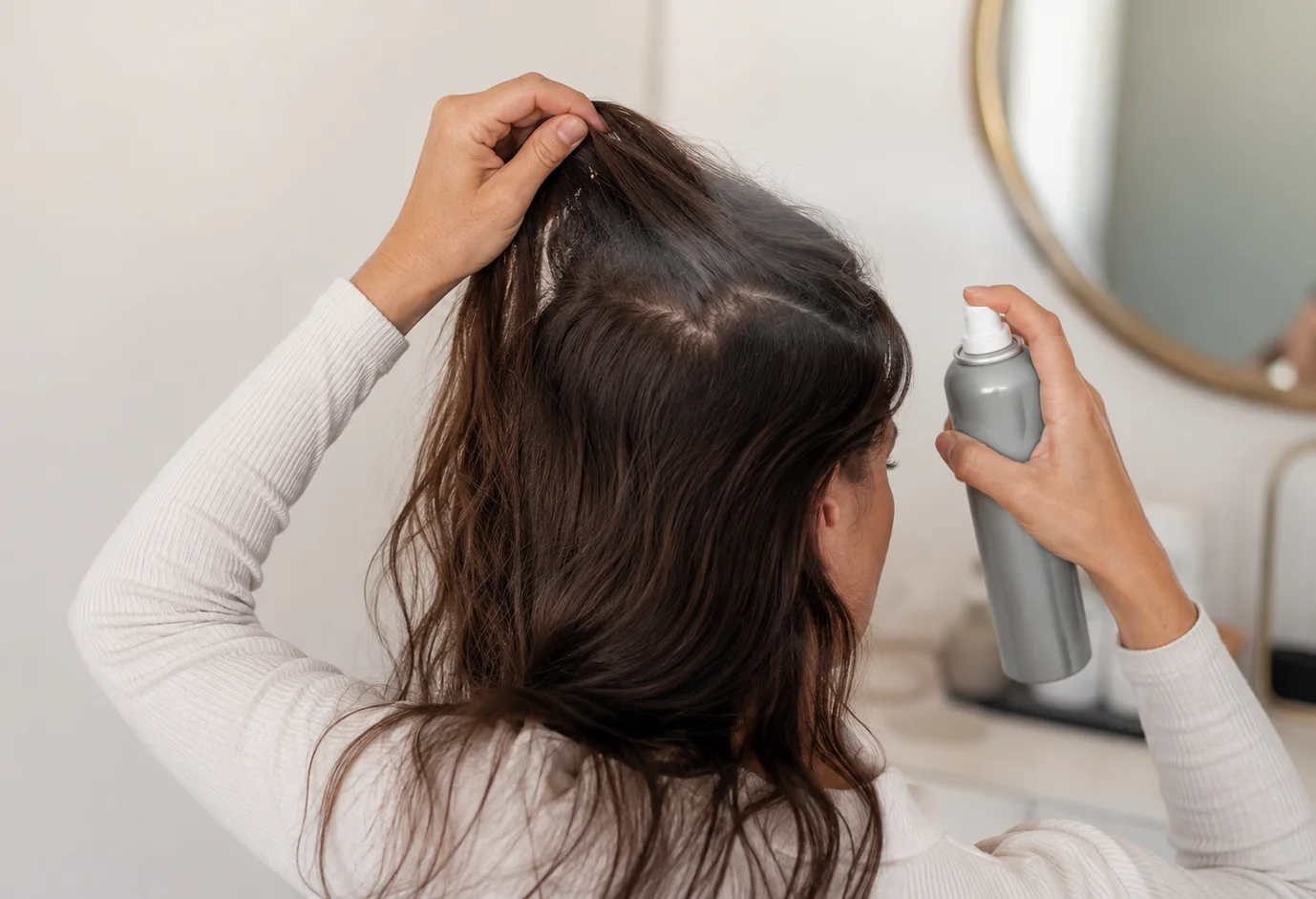
If you use dry shampoo, styling products, scalp oils, or heavy conditioners, occasional regular washing with water and shampoo is important. Dry shampoo does not replace cleansing. It absorbs oil temporarily but does not remove debris from the scalp.
Practical Tips for Using Sulfate Shampoo
If you use a sulfate shampoo and it works well, there may be no reason to stop. If it feels too harsh, try adjusting how you use it before changing everything.
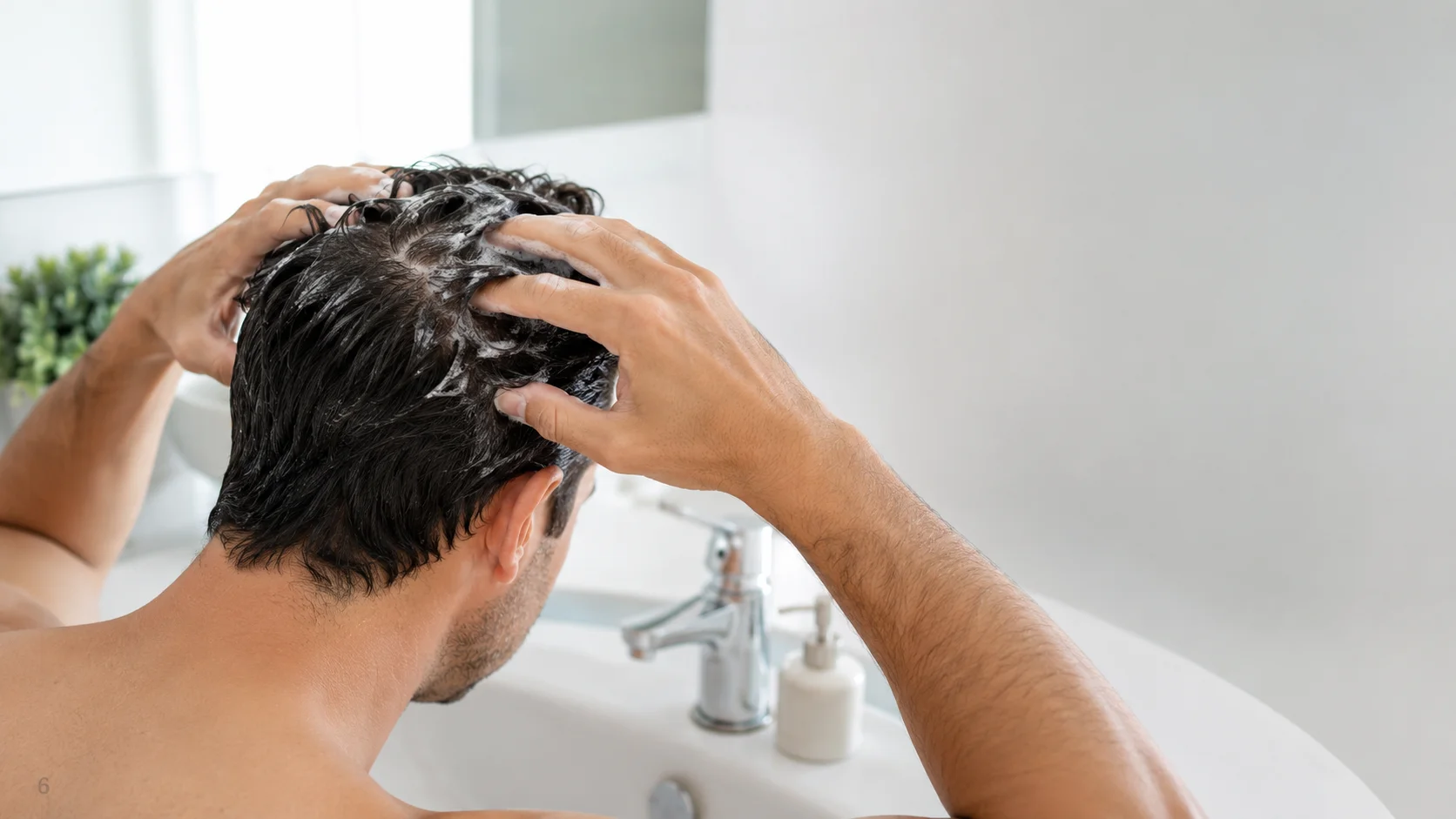
Focus shampoo on the scalp rather than aggressively rubbing the lengths. Let the lather run through the hair during rinsing. Follow with conditioner on the mid-lengths and ends. Use lukewarm water rather than very hot water. If needed, alternate between a mild shampoo and a stronger cleanser.
If the scalp burns, itches, flakes severely, or becomes red after washing, stop using the product and consider professional evaluation.
FAQ
Are sulfates toxic in shampoo?
Sulfates used in cosmetic shampoos are approved cleansing ingredients when formulated appropriately. The main concern for hair care is irritation or dryness, not toxicity.
Is sulfate-free shampoo better for hair loss?
Sulfate-free shampoo does not treat hair loss. It may reduce dryness or irritation for some people, but medical hair loss needs diagnosis and appropriate treatment.
Can sulfates damage curly hair?
They can make some curly or coily hair feel dry or frizzy, especially with frequent use. Milder cleansing often suits textured hair better.
Should I use sulfate shampoo for buildup?
A sulfate shampoo can be useful for buildup, especially from heavy styling products, oils, silicones, or dry shampoo. It does not need to be used daily for everyone.
Why does my hair feel cleaner with sulfates?
Sulfates are strong surfactants that remove oil and residue efficiently. That clean feeling can be helpful for oily scalps but too stripping for dry or fragile hair.
The Bottom Line
Sulfates are effective cleansers, not hair loss treatments and not automatic hair-damaging ingredients. They can be helpful for oily scalps and buildup, but they may be too drying for sensitive scalps, color-treated hair, curls, or fragile strands.
The best shampoo is the one that cleans your scalp comfortably while keeping your hair manageable. If hair loss continues despite changing products, the next step is not another shampoo trend; it is a proper evaluation of the scalp, follicles, and overall health.
This article is for general informational purposes only and does not replace individualized medical advice, diagnosis, or treatment. If you have persistent shedding, scalp inflammation, or sudden hair loss, consult a qualified healthcare professional.