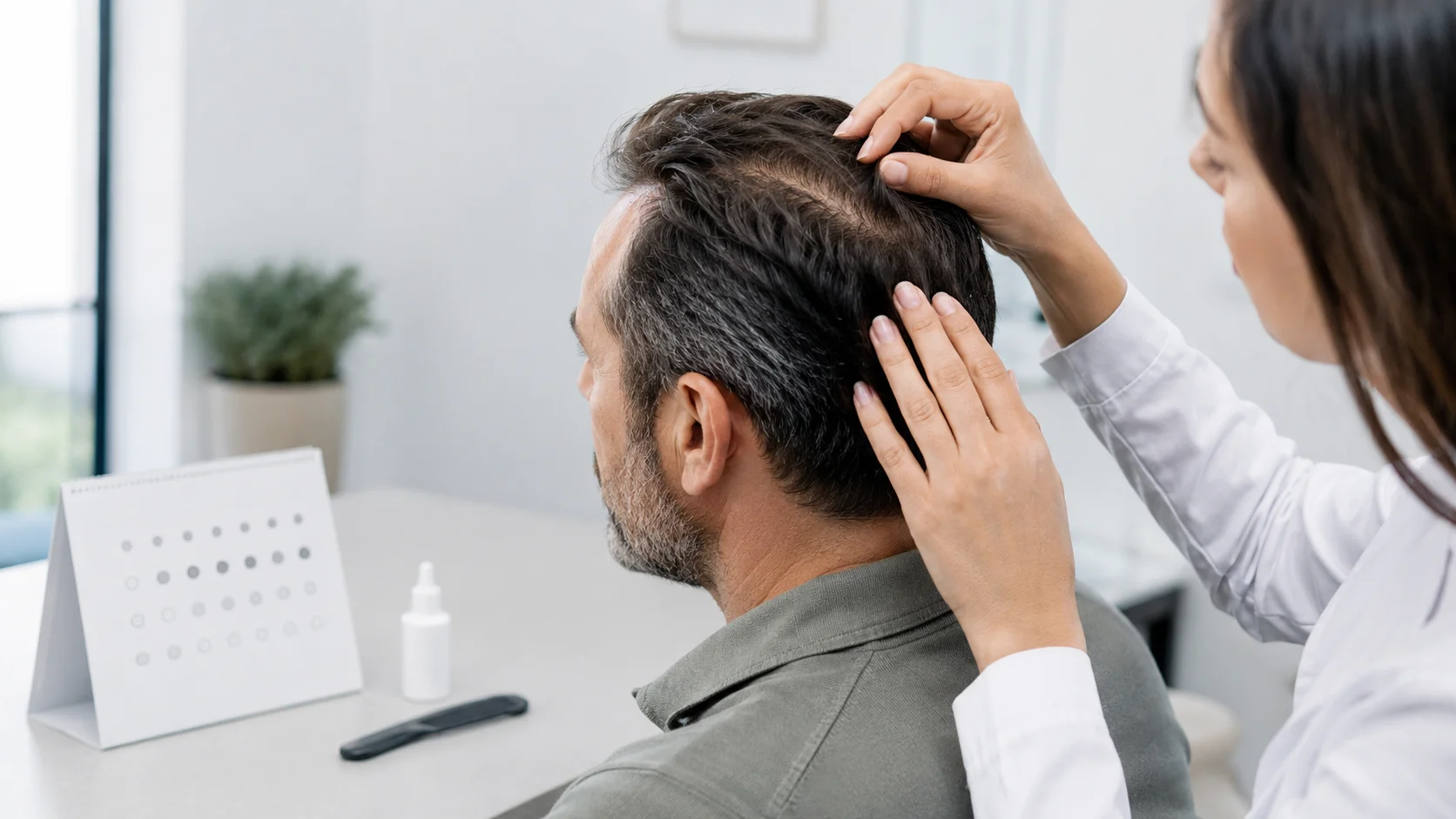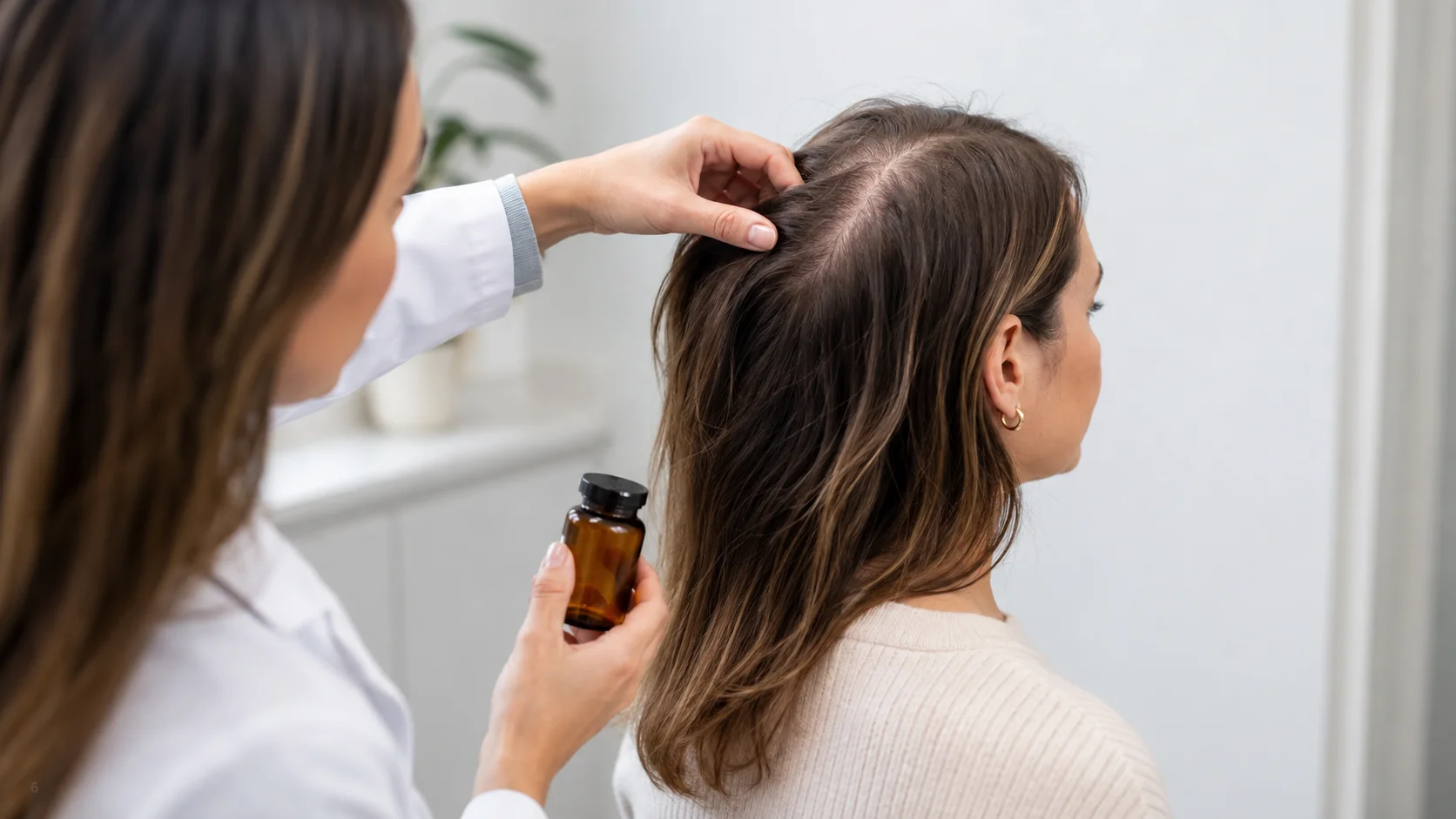
Spironolactone is a prescription medication that may help certain women with female pattern hair loss, particularly when androgen activity is contributing to follicle miniaturization. It is not a general-purpose hair-growth drug, and it is rarely an appropriate treatment for male pattern hair loss because of its hormonal effects.
The medication was originally developed as a potassium-sparing diuretic for conditions such as high blood pressure, heart failure, and fluid retention. Its antiandrogen effects have also led dermatologists to prescribe it off-label for female pattern hair loss, acne, and excess facial or body hair.
How Spironolactone May Help Hair Loss
Androgens are hormones that include testosterone and dihydrotestosterone, commonly called DHT. In genetically susceptible scalp follicles, androgen activity can shorten the growth phase and lead to progressive miniaturization.
Spironolactone may reduce this influence in two principal ways. It can interfere with androgen binding at receptors and reduce androgen production to some degree. This may help protect vulnerable follicles and slow the progression of female pattern hair loss.
The treatment does not create new follicles or instantly reactivate areas where follicles are no longer viable. Its most realistic role is often stabilization, with improved density or reduced shedding developing in some patients over time.
Who May Be a Candidate?
Spironolactone is most commonly considered for adult women with confirmed female pattern hair loss. It may be particularly relevant when thinning occurs alongside signs of androgen excess, such as:
- Persistent hormonal acne
- Increased facial or body hair
- Irregular menstrual cycles
- Polycystic ovary syndrome
- Elevated androgen levels
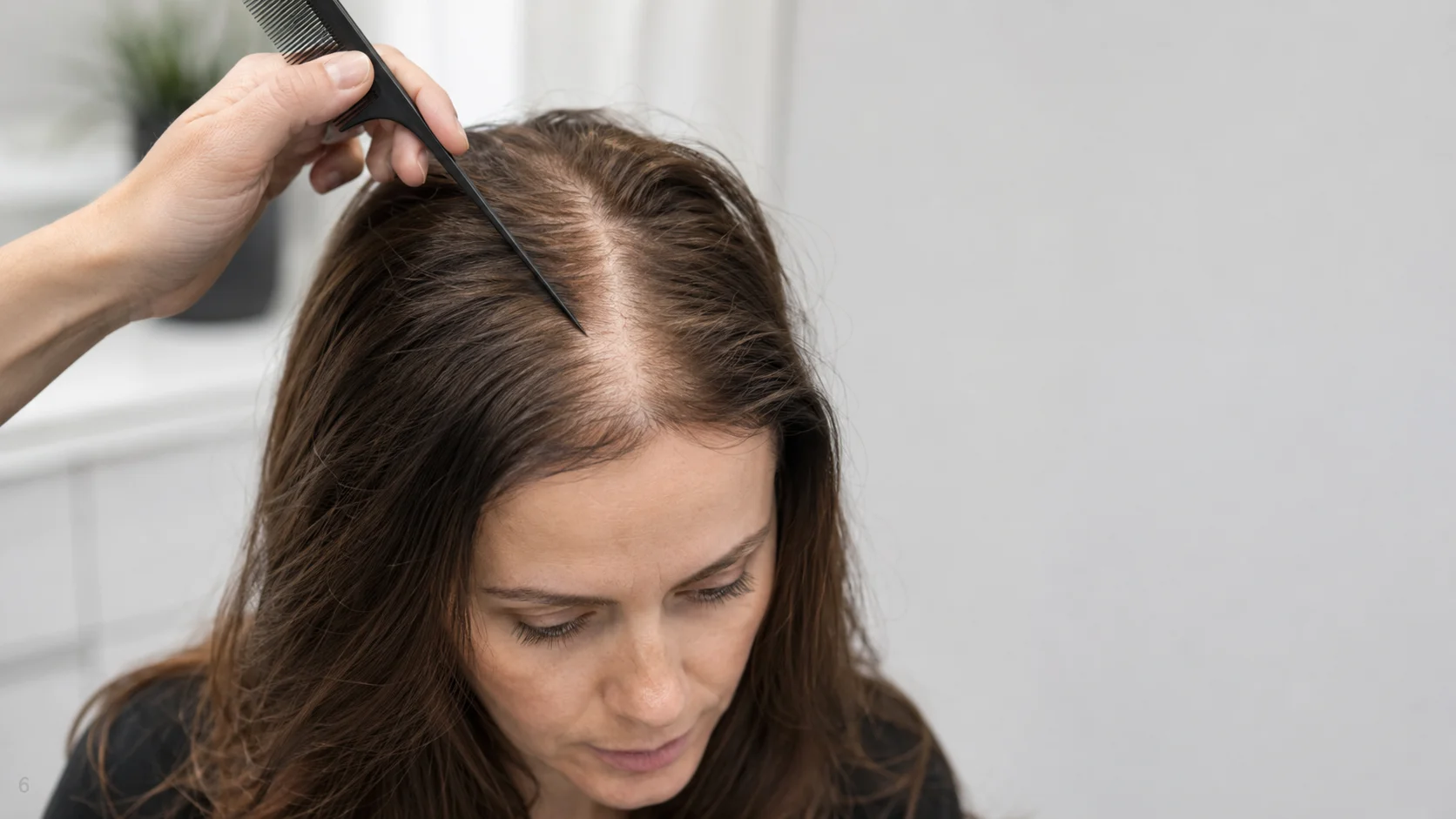
- Widening of the central part or progressive crown thinning
Visible signs of androgen excess are not required. Some women with normal blood androgen levels may still have follicles that are unusually sensitive to normal hormone activity.
A dermatologist may also consider spironolactone when topical minoxidil alone has provided an incomplete response or when a broader treatment plan is needed.
What the Evidence Shows
The evidence for spironolactone in female pattern hair loss is encouraging but less extensive than the evidence supporting topical minoxidil.
A systematic review and meta-analysis found improvement in a meaningful proportion of treated patients, with higher reported improvement rates when spironolactone was used as part of combination therapy. However, results varied substantially between studies. Some patients experienced only modest improvement or no clear benefit.
Clinical research also includes observational studies and smaller controlled trials using different doses, treatment combinations, and outcome measures. This variation makes it difficult to predict an individual result or identify one universally optimal regimen.
Spironolactone should therefore be viewed as an established off-label option for selected patients, not as a guaranteed treatment for every woman with thinning hair.
How Long Does It Take to Work?
Hair follicles respond slowly to treatment. Reduced shedding may be noticed before visible density changes, but an adequate trial commonly requires at least six months. Assessment may continue for 9 to 12 months when treatment is tolerated and the diagnosis is clear.
Standardized photographs are useful because gradual changes can be difficult to recognize in the mirror. Images should be taken with the same hairstyle, part position, lighting, distance, and scalp condition.
Any benefit generally depends on continued use. If spironolactone is stopped, androgen-related miniaturization may resume.
Spironolactone vs Minoxidil
Spironolactone and minoxidil have different roles.
Minoxidil supports follicle growth activity and may prolong the active growth phase. Spironolactone aims to reduce androgen-related pressure on susceptible follicles. Because the mechanisms differ, the treatments are sometimes used together.
Topical minoxidil often remains a first-line option for female pattern hair loss. Spironolactone may be added when the pattern, medical history, and treatment goals support an antiandrogen approach.
Low-dose oral minoxidil is another off-label option, but it has a different safety profile. Choosing between or combining these medications requires assessment of blood pressure, cardiovascular health, kidney function, pregnancy potential, and other medications.
Common Side Effects
Spironolactone affects fluid balance, blood pressure, electrolytes, and hormone signaling. Possible adverse effects include:
- Increased urination
- Dizziness or light-headedness
- Lower blood pressure
- Fatigue
- Headache
- Breast tenderness
- Irregular periods or spotting
- Reduced libido
- Nausea
- Increased potassium levels
Menstrual changes may sometimes be managed through adjustments made by the prescribing clinician or, when appropriate, concurrent contraception. Patients should not alter the dose independently.
Dizziness may be more noticeable when standing quickly, during hot weather, after intense exercise, or when fluid intake is inadequate.
Hyperkalemia and Potassium Monitoring
Spironolactone can raise blood potassium, a condition known as hyperkalemia. Severe hyperkalemia can interfere with heart rhythm and requires medical attention.
Risk is higher in people with kidney impairment, pre-existing high potassium, certain adrenal disorders, or medications that also raise potassium. These may include some blood-pressure drugs, potassium supplements, potassium-containing salt substitutes, and other potassium-sparing diuretics.
A clinician may check potassium and kidney function before treatment and during follow-up. The monitoring plan depends on age, health history, dose, and concurrent medication use. Healthy younger women may have a lower risk, but testing decisions should still be individualized.
Pregnancy and Contraception
Spironolactone is generally avoided during pregnancy because its antiandrogen activity may affect fetal sexual development. Anyone who can become pregnant should discuss reliable contraception and pregnancy plans with the prescribing clinician.
The medication should be stopped and medical advice obtained if pregnancy occurs or is suspected. Breastfeeding decisions also require individualized guidance.
Pregnancy precautions are a central part of treatment planning, not a minor administrative detail.
Why Spironolactone Is Usually Not Used for Men
Spironolactone can reduce androgen effects throughout the body. In men, this may cause breast enlargement, sexual dysfunction, reduced libido, fertility concerns, and other unwanted hormonal effects.
For this reason, it is not a routine treatment for male androgenetic alopecia. Other therapies that target pattern hair loss without the same broader antiandrogen profile are generally considered first.
Spironolactone may be used in specialized gender-affirming care, but that is a distinct medical context requiring coordinated hormone management.
Who Should Avoid or Use It Cautiously?
Spironolactone may be unsuitable for people with:
- High potassium
- Significant kidney impairment
- Addison’s disease
- Certain fluid or electrolyte disorders
- Very low blood pressure
- Pregnancy or plans for pregnancy
- Use of medications that create an unsafe interaction
Older adults and people with heart, liver, or kidney disease may require closer monitoring. Dehydration from illness, intense exercise, or gastrointestinal symptoms can also change the medication’s risk profile.
A complete medication and supplement list should be reviewed before treatment. “Natural” electrolyte products, workout supplements, and salt substitutes can contain substantial potassium.
Spironolactone Does Not Treat Every Cause of Shedding
Diffuse shedding can arise from iron deficiency, thyroid disease, rapid weight loss, illness, medication changes, postpartum hormonal shifts, or other triggers. Patchy loss may indicate alopecia areata, fungal infection, traction, or an inflammatory disorder.
Spironolactone is unlikely to correct these problems unless androgen-related miniaturization is also present. Starting it without a diagnosis may delay more appropriate care.
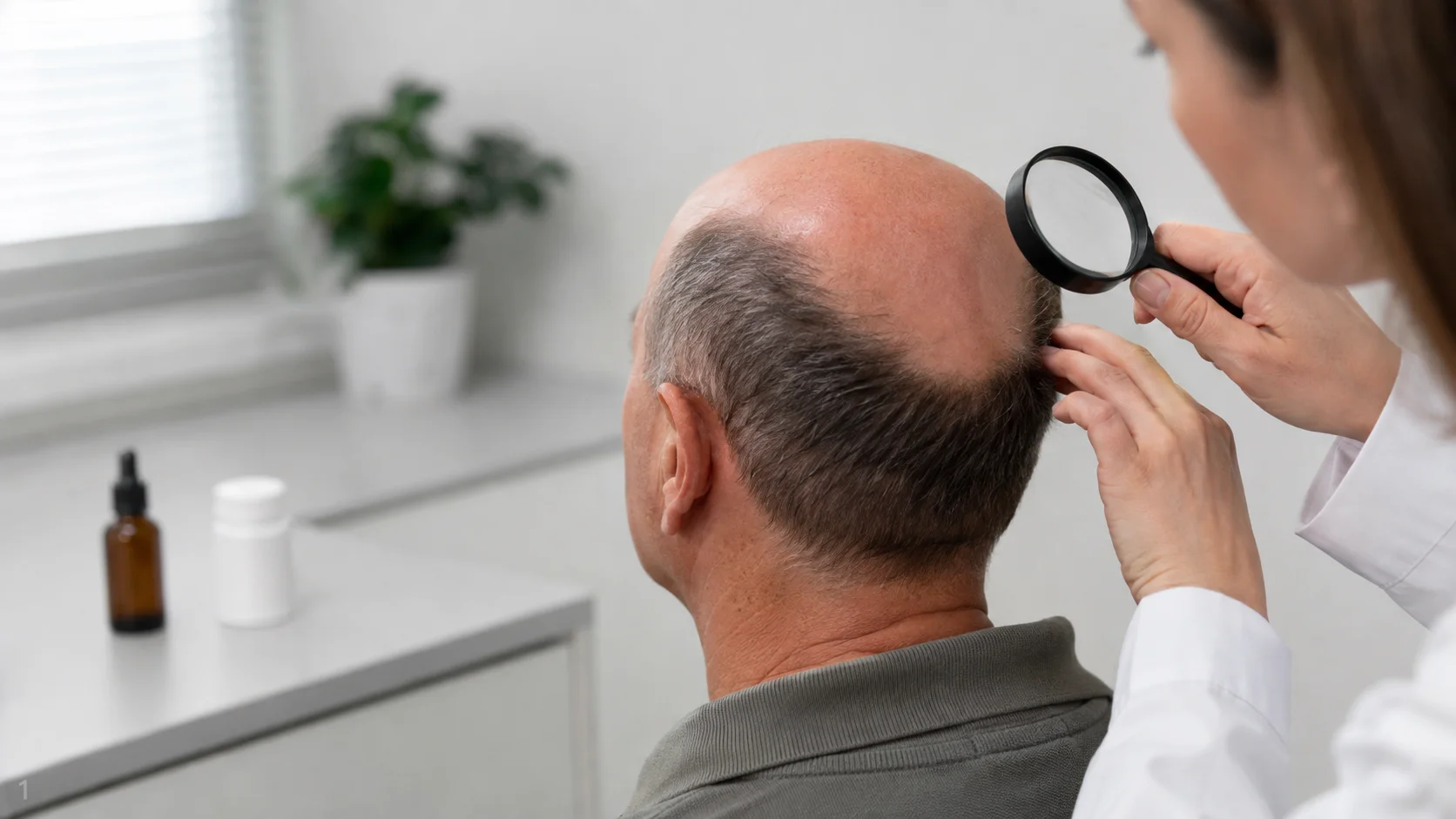
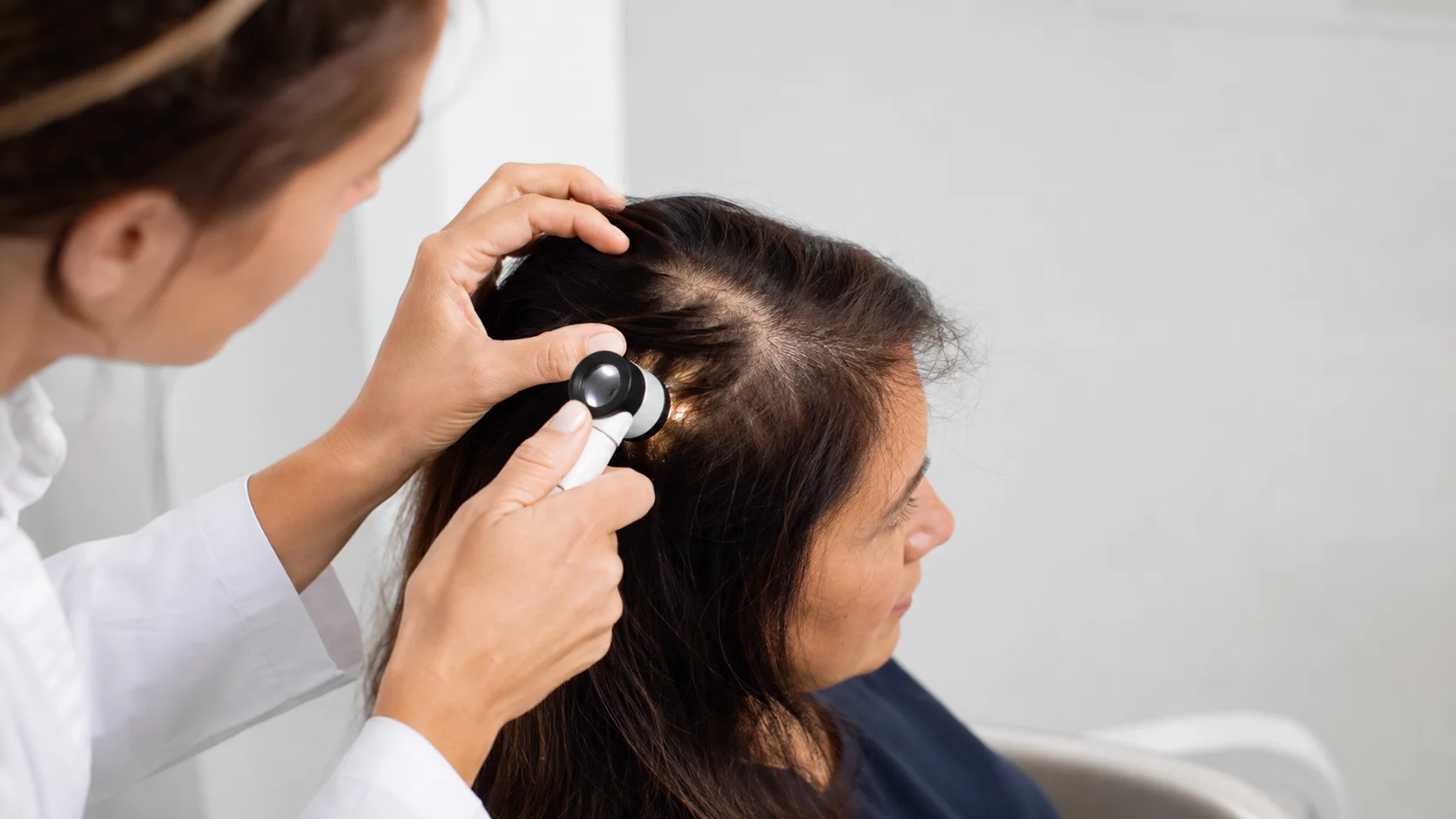
A scalp examination, medical history, and selected laboratory tests can help determine whether the hair loss is female pattern hair loss or another condition.
Frequently Asked Questions
Does spironolactone regrow hair?
It may reduce shedding, slow miniaturization, and improve density in some women. Stabilization is often a more realistic primary goal than dramatic regrowth.
Can spironolactone cause an initial shed?
Changes in shedding can occur after hair-loss treatments begin, but a predictable spironolactone-specific shedding phase is not firmly established. Marked or persistent worsening should be assessed rather than assumed to be normal.
Is spironolactone better than minoxidil?
Neither is universally better. Minoxidil directly supports growth activity, while spironolactone reduces androgen influence. The best choice depends on the diagnosis, health profile, and treatment goals.
Can spironolactone be used when hormone tests are normal?
Yes, in selected women. Follicles may be sensitive to normal androgen levels, so normal blood tests do not rule out female pattern hair loss or a potential response.
Does spironolactone cause weight gain?
It is not generally considered a direct cause of fat gain. Changes in fluid balance can alter scale weight, while unexpected swelling or rapid weight changes should be reported.
Is long-term treatment possible?
Some patients use spironolactone long term under medical supervision. Continued suitability depends on effectiveness, side effects, pregnancy plans, kidney function, potassium levels, and other health changes.
The Bottom Line
Spironolactone can be a useful off-label treatment for selected women with female pattern hair loss, especially when androgen sensitivity or related symptoms are present. Benefits take time, vary among individuals, and often emerge as part of a combined treatment strategy.
Because the medication can affect blood pressure, potassium, kidney function, menstrual cycles, and pregnancy, it requires individualized prescribing and follow-up. A correct diagnosis and a realistic long-term plan are essential before treatment begins.
This content is for general informational purposes and does not replace individualized medical advice, diagnosis, or treatment.