Can You Get a Hair Transplant If You Have Diabetes?
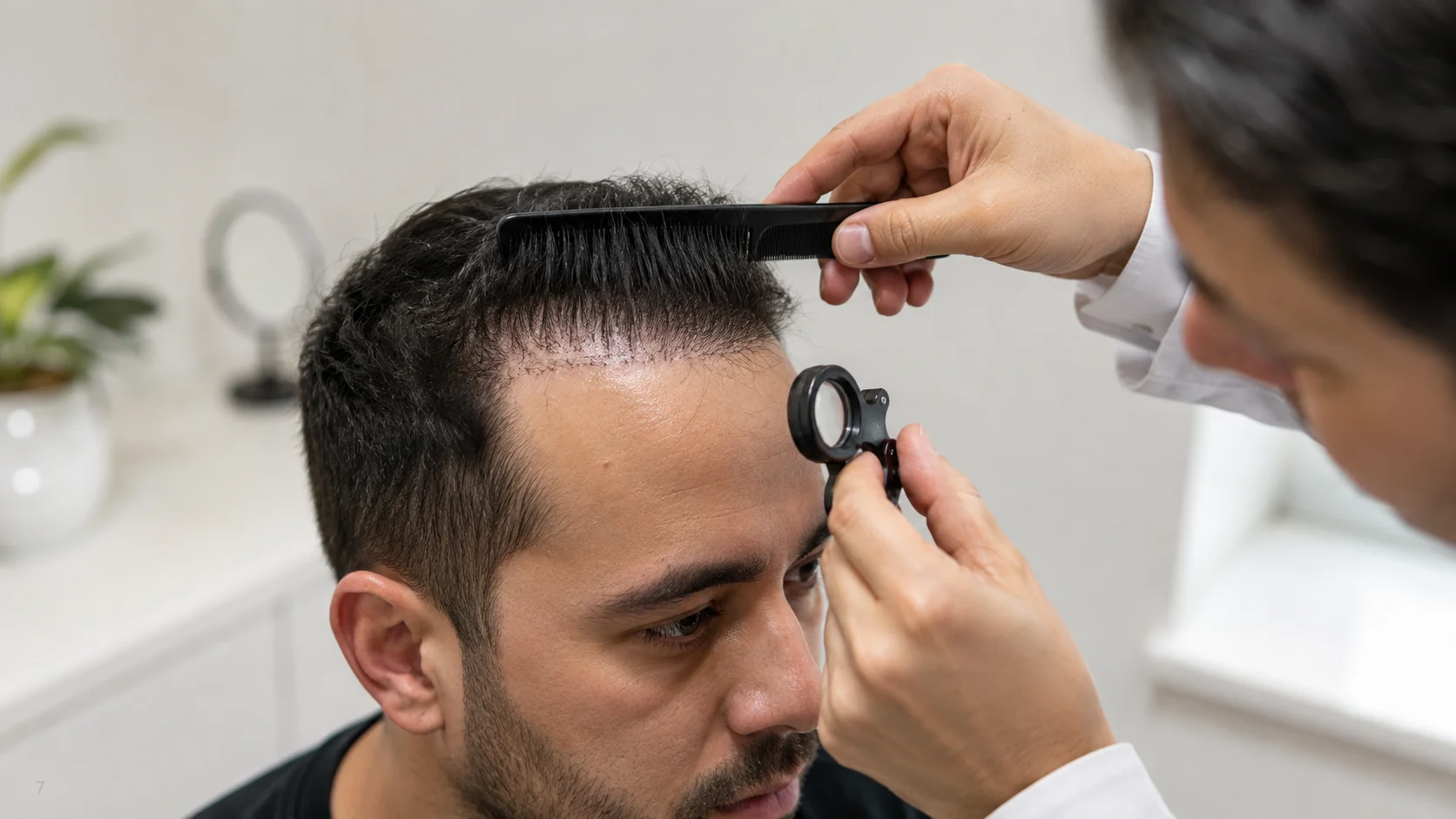
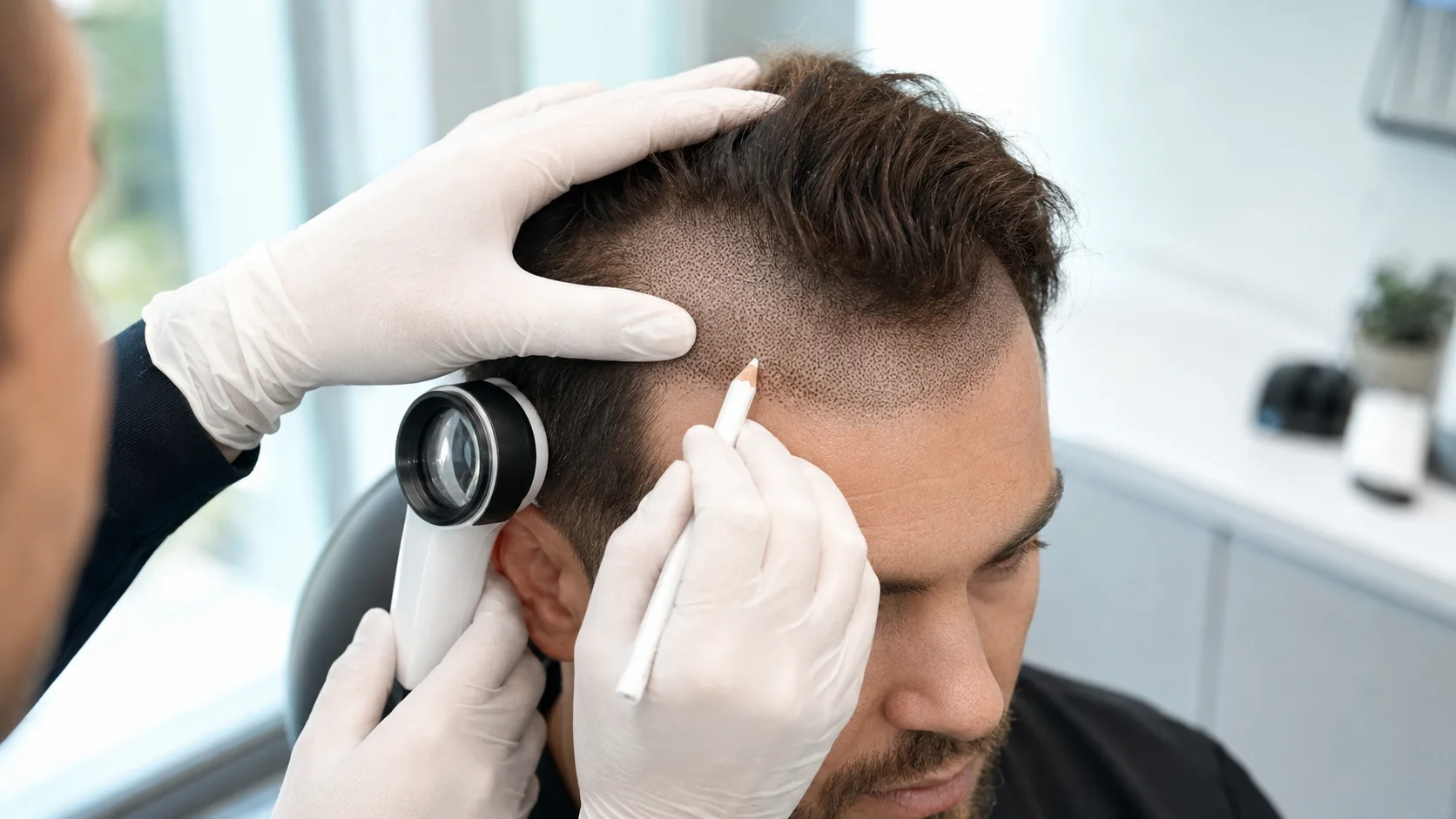
Diabetes is one of the most common medical conditions surgeons ask about during a hair transplant consultation, and for good reason: the procedure relies on thousands of tiny wounds healing correctly in the donor and recipient areas. Having diabetes does not close the door on hair transplant surgery, but it does change how a candidate should be evaluated and prepared.
The deciding factor is rarely the diagnosis itself. It is how well blood sugar has been controlled in the months leading up to surgery, and whether any diabetes-related complications - circulation problems, nerve damage, slow-healing wounds elsewhere on the body - are already present.
The Link Between Blood Sugar and Wound Healing
According to the NIH, chronically elevated blood glucose interferes with several stages of normal wound repair, including collagen formation and the migration of new blood vessels into healing tissue. In a hair transplant, this matters at both ends of the procedure: the donor strip or extraction sites need to close cleanly, and the recipient sites need enough blood supply to keep transplanted follicles alive during the first critical days.
When glucose runs high for an extended period, white blood cell function can also be reduced, which is part of why diabetes is closely tied to infection risk after any surgical procedure, not just hair restoration.
Why Surgeons Ask About HbA1c, Not Just a Diagnosis
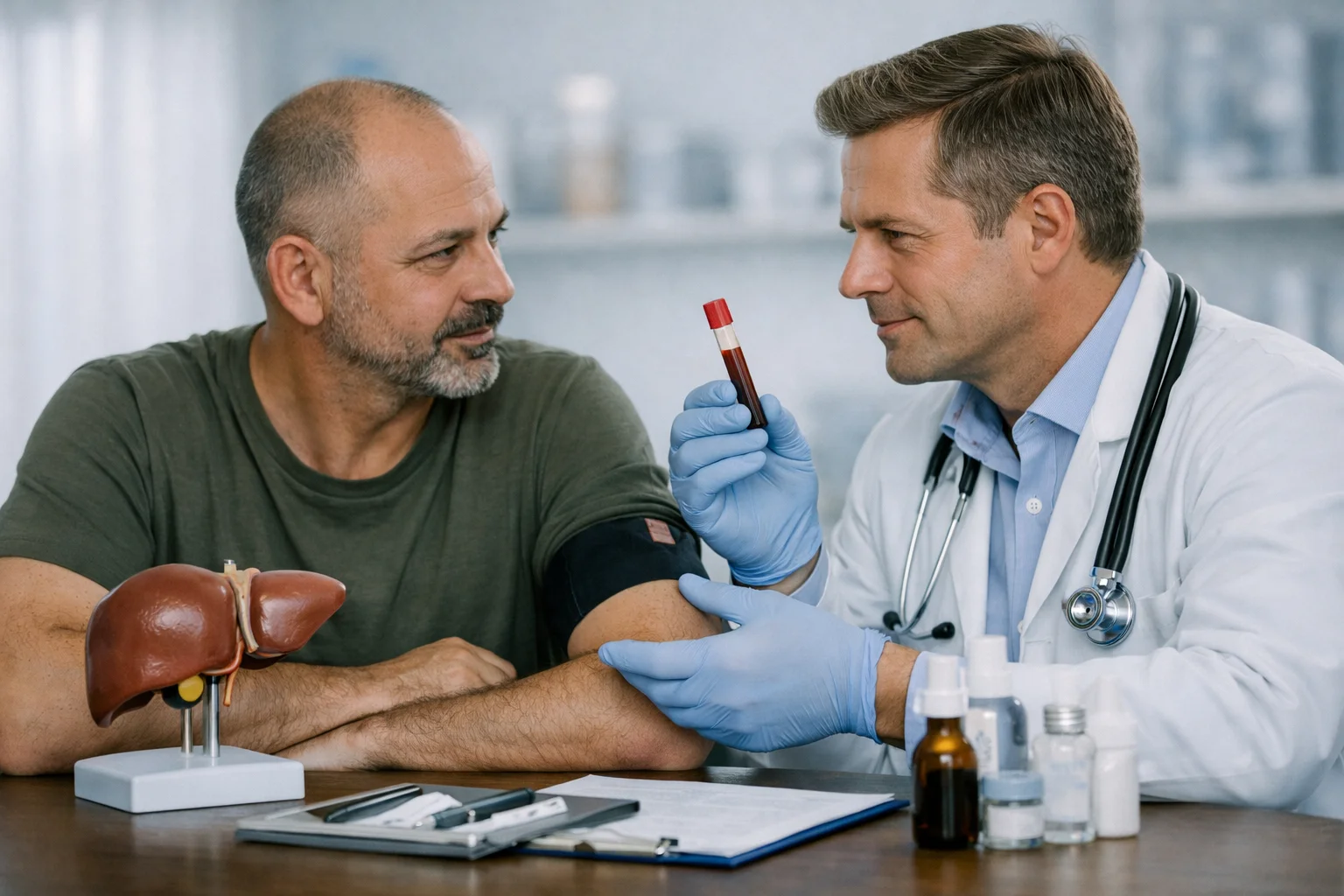
Rather than treating "diabetes" as a single yes-or-no category, most clinics look at HbA1c - a blood test that reflects average glucose control over roughly the previous three months. A well-controlled HbA1c generally signals a lower-risk surgical candidate than a diagnosis alone would suggest.
This is also why two people with the same diagnosis can receive very different recommendations. Someone with tightly managed Type 2 diabetes and no complications may be cleared with minimal extra precaution, while someone with poorly controlled glucose, neuropathy, or a history of slow-healing wounds may be asked to improve control first or bring a physician's clearance to the appointment.
Circulation, Neuropathy, and the Donor Area
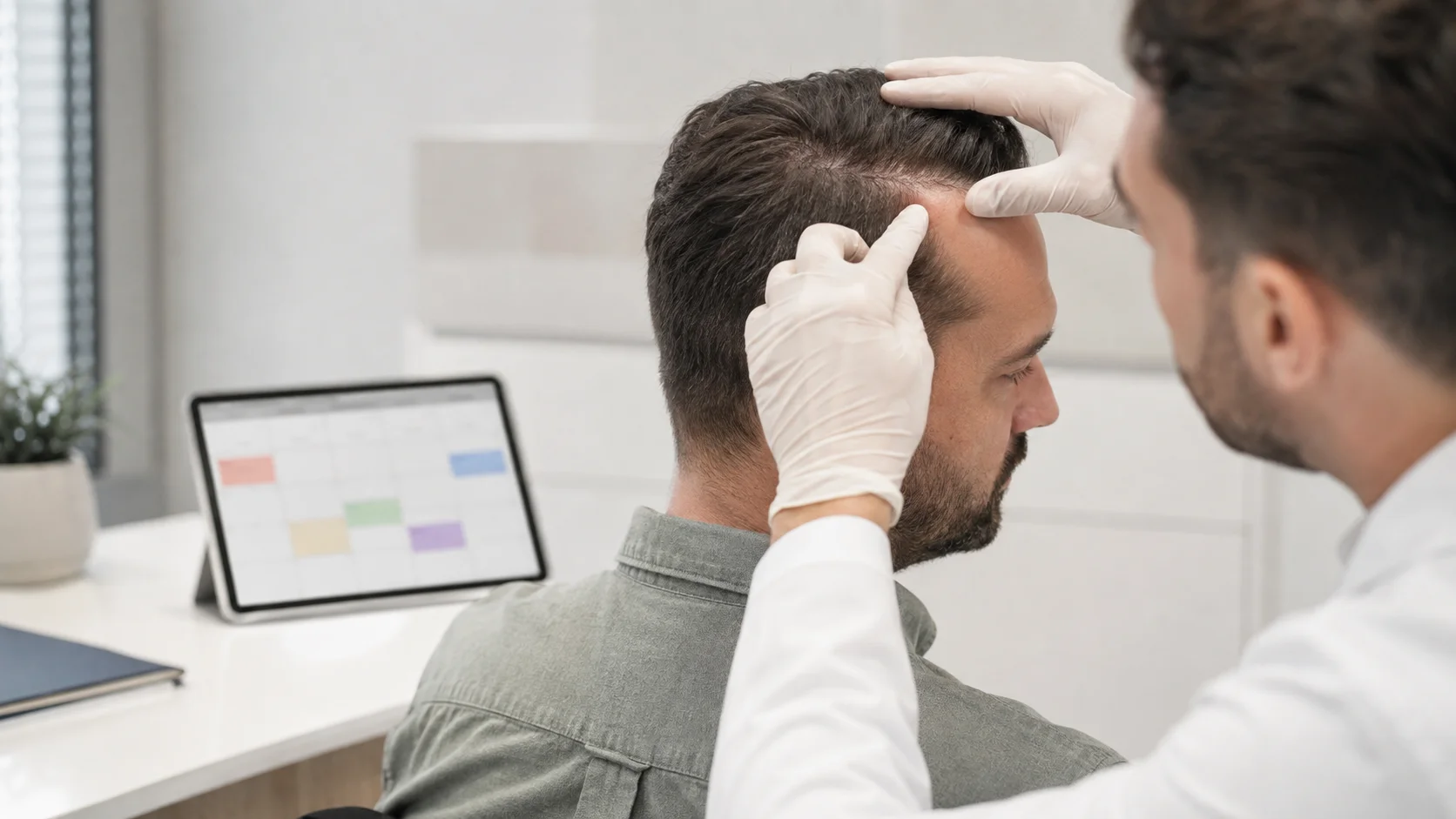
Long-standing diabetes can affect small blood vessels and peripheral nerves, most often in the feet but sometimes with broader circulatory effects. Reduced circulation in the scalp is uncommon compared to the extremities, but a surgeon evaluating a diabetic patient will still want to know about any history of poor circulation, numbness, or slow-healing cuts, since these are markers of how the body handles vascular stress generally. A scalp with strong blood flow gives transplanted grafts the best chance of taking root.
Infection Risk After Surgery
Because diabetes can blunt the immune response, postoperative infection is watched more closely in diabetic patients. This usually translates into more explicit aftercare instructions - keeping the scalp clean, recognizing early signs of infection such as increasing redness or discharge, and sometimes a lower threshold for calling the clinic with concerns rather than waiting to see if symptoms resolve on their own.
Preparing for the Procedure
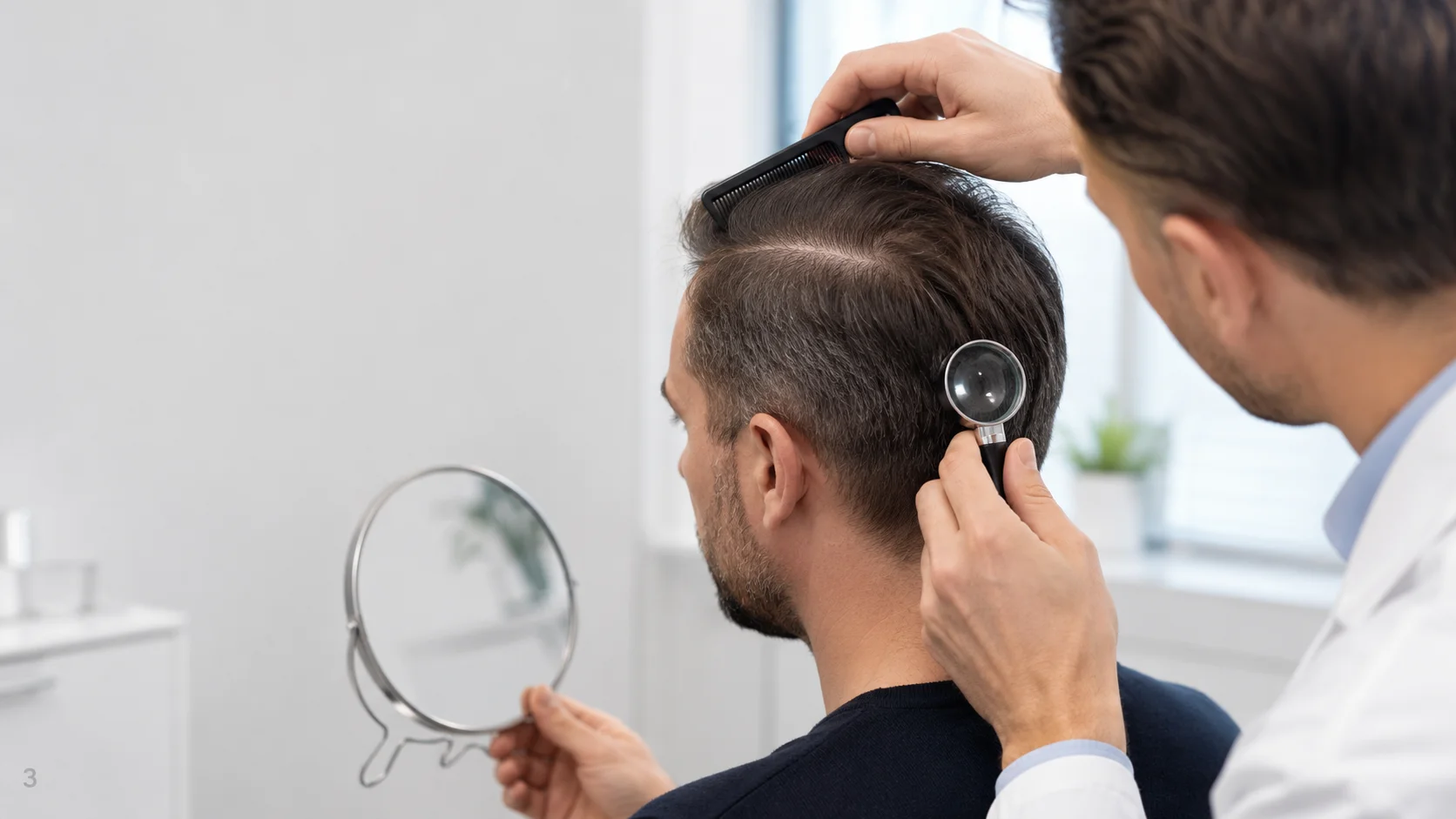
People with diabetes who are considering a hair transplant generally benefit from bringing their diabetes management history to the consultation: recent HbA1c results if available, current medications, and any history of complications. Keeping glucose stable in the weeks before surgery, rather than making last-minute changes, tends to be the safer path.
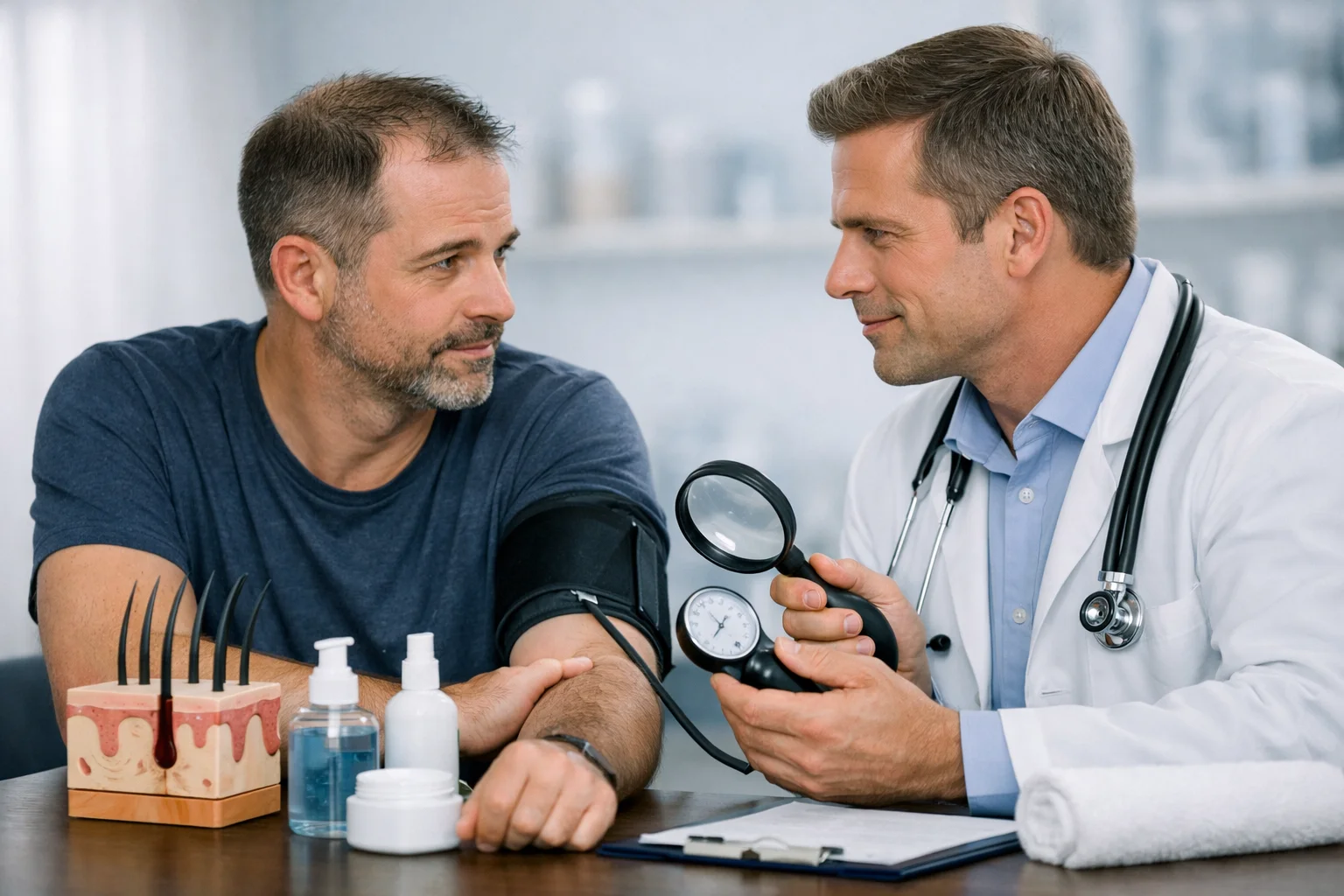
A comparable pre-surgical review process applies to hair transplant eligibility with high blood pressure, since both conditions are assessed largely on how stable they are, not on the label alone.
Frequently Asked Questions
Can people with Type 2 diabetes get a hair transplant?
Many can, particularly when blood sugar is well managed. The decision is based on individual evaluation rather than the diagnosis alone.
Does an HbA1c test matter for hair transplant eligibility?
It can. HbA1c gives a picture of longer-term glucose control, which some clinics use alongside overall health history when assessing surgical risk.
Can diabetic neuropathy affect the outcome?
Neuropathy itself is more commonly a foot and peripheral nerve issue, but a history of it may prompt a closer look at overall vascular health before surgery.
Is recovery slower for people with diabetes?
It can be, especially if blood sugar is not well controlled. Well-managed diabetes is associated with healing that looks much closer to non-diabetic recovery.
Final Thoughts
Diabetes does not automatically disqualify someone from hair transplant surgery. What matters most is glucose control, the absence of significant circulatory or healing complications, and open communication with the surgical team about medication and management history.
This article is intended for general educational purposes and is not medical advice. Anyone with diabetes considering a hair transplant should discuss their individual risk with both their endocrinologist or primary care physician and the hair restoration surgeon before proceeding.