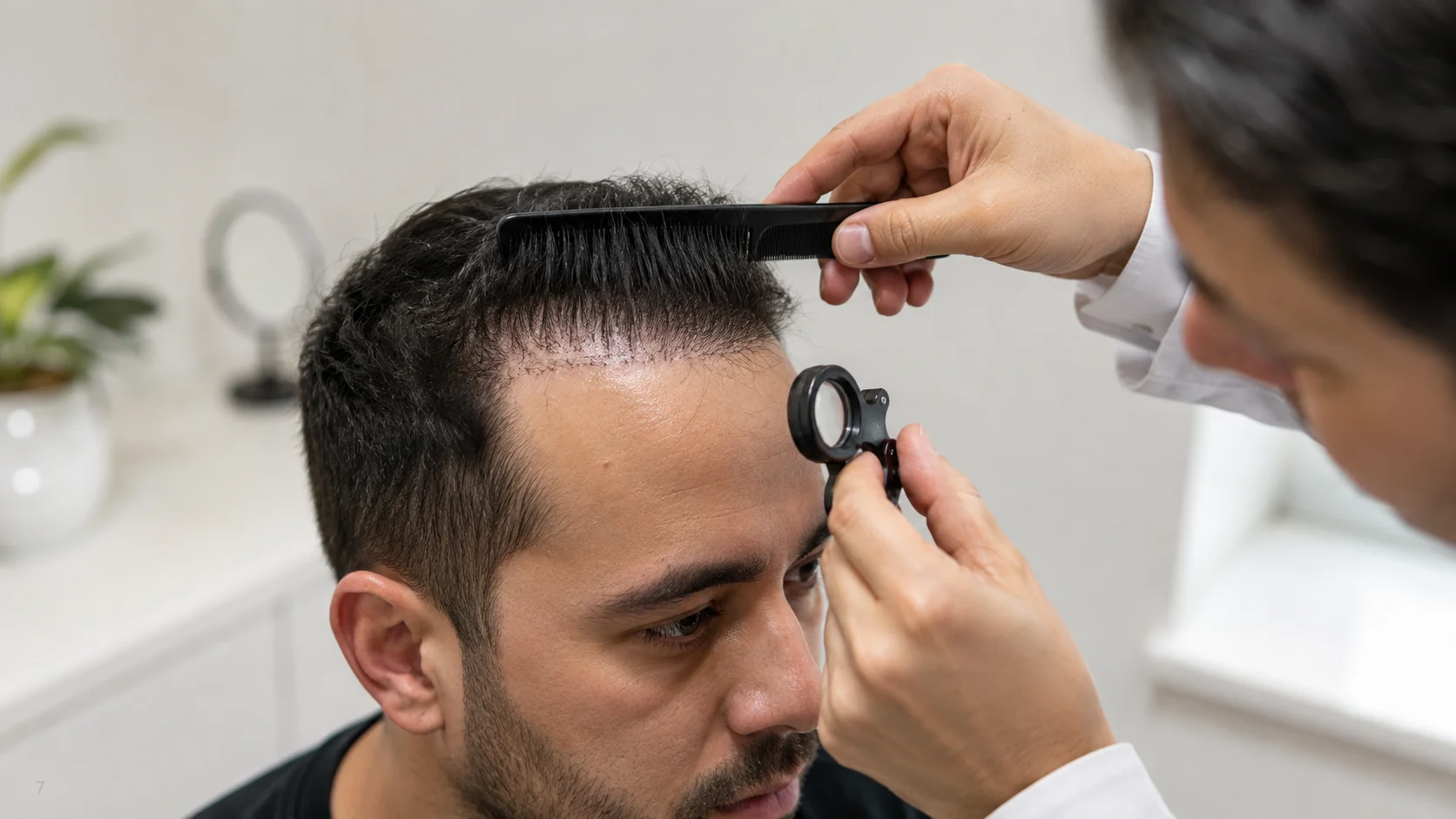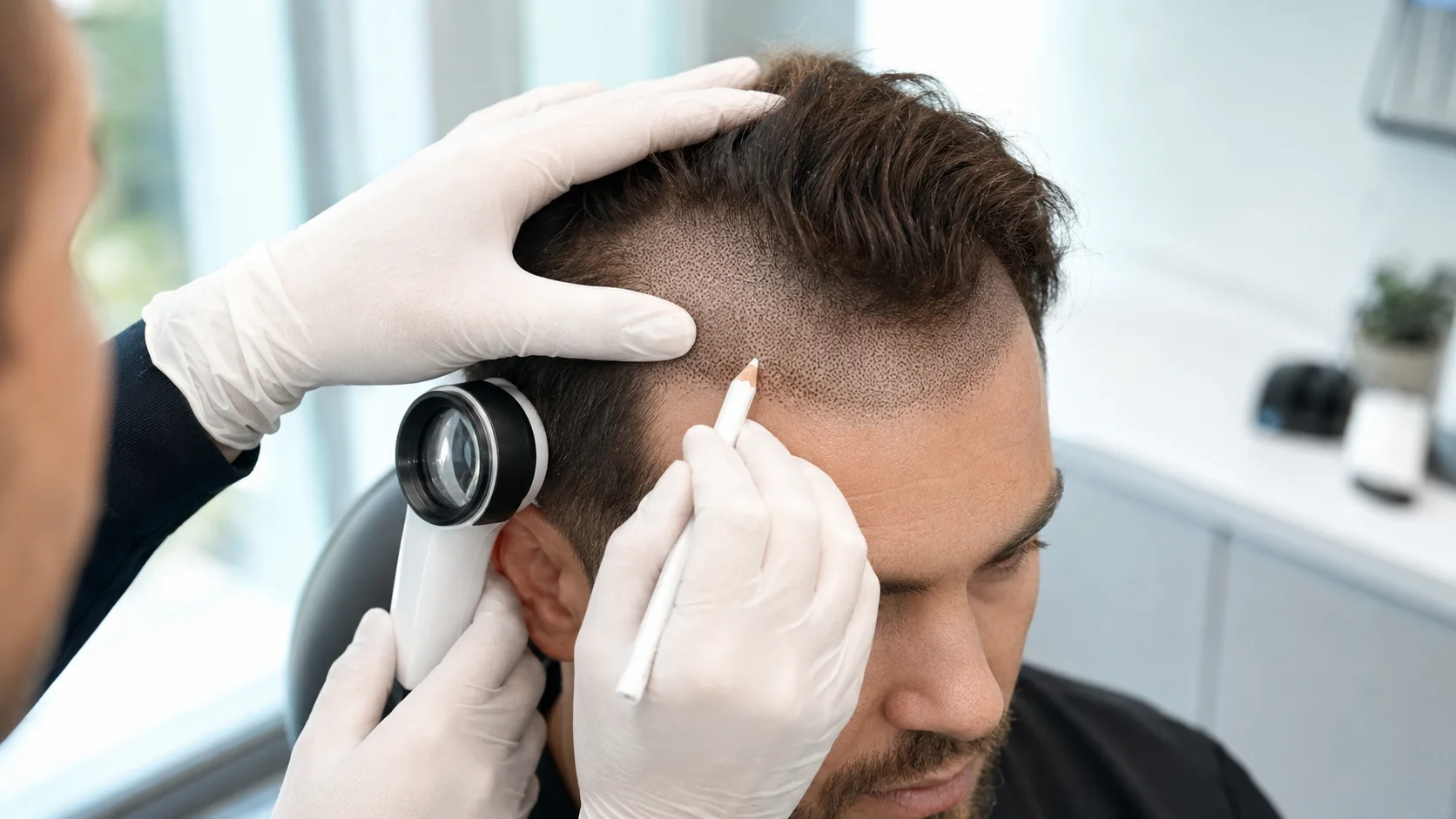
In vitro fertilization can involve hormone injections, monitoring appointments, egg retrieval, embryo transfer, and a period of uncertainty while pregnancy is confirmed. A hair transplant is also an elective medical procedure involving local anesthesia, small scalp wounds, postoperative care, and sometimes additional medication. Combining the two requires more consideration than simply finding space for both procedures on the calendar.
There is no universal rule stating that a hair transplant can never be performed during IVF. However, postponing elective surgery is often the more cautious and practical choice during active ovarian stimulation, around egg retrieval or embryo transfer, and while the outcome of a treatment cycle remains unknown. The decision should be coordinated with the fertility specialist and the clinician responsible for the hair transplant.
Why IVF Timing Matters
An IVF cycle is not a single event. Its stages have different medical and logistical demands, including:
- Ovarian stimulation with prescribed hormones
- Regular blood tests and ultrasound examinations
- A final maturation or “trigger” injection
- Egg retrieval, commonly performed with sedation or anesthesia
- Fertilization and embryo development
- Fresh or frozen embryo transfer
- Luteal-phase hormonal support
- Pregnancy testing and early-pregnancy monitoring
Side effects may include headaches, fatigue, breast tenderness, mood changes, abdominal discomfort, bloating, nausea, and injection-site reactions. Some people also develop ovarian hyperstimulation syndrome, which can require additional monitoring or treatment.
Scheduling another elective procedure during this period may add discomfort, medication exposure, travel, disrupted sleep, and recovery responsibilities. It can also complicate the interpretation of symptoms. For example, nausea, swelling, headache, or dizziness after a procedure might overlap with IVF medication effects.
Are Hair Transplant and IVF Medications Known to Interact?
A hair transplant is usually performed under local anesthesia. Depending on the clinical approach and individual circumstances, the procedure may also involve a vasoconstrictor to reduce bleeding, an oral sedative, pain relief, antibiotics, antiseptics, or medication intended to limit swelling.
IVF protocols vary considerably. They may include gonadotropins, gonadotropin-releasing hormone agonists or antagonists, trigger medications, estrogen, progesterone, and other treatments selected for the individual.
A direct interaction is not inevitable, but that does not make every combination appropriate. Evidence specifically examining hair transplantation during IVF is limited. Safety therefore depends on the exact medications, doses, medical history, IVF stage, and possibility of pregnancy.
Neither clinical team should work from an incomplete medication list. The fertility specialist should know about every medication proposed for the transplant, including local anesthetics, sedatives, antibiotics, pain relievers, corticosteroids, supplements, and topical products. The transplant clinician should likewise receive a current list of fertility medications and instructions.
Patients should not stop, delay, or change an IVF medication to accommodate a cosmetic procedure unless the prescribing fertility specialist gives explicit guidance.
Local Anesthesia and Other Procedure Medications
Local anesthetics are used to keep the scalp comfortable during graft harvesting and placement. Their suitability must be assessed individually, especially when conception may have occurred.
The same principle applies to medications used before or after surgery. Some drugs commonly used in everyday practice may be avoided, limited, or replaced during the period surrounding conception and pregnancy. Even an over-the-counter pain reliever should not be assumed to be appropriate simply because it does not require a prescription.
A hair transplant clinic should provide the fertility team with:
- The planned local anesthetic and anticipated dose
- Any vasoconstrictor included with the anesthetic
- Proposed sedatives or anti-anxiety medication
- Planned antibiotics
- Recommended pain and swelling medication
- All postoperative topical products
This allows the fertility specialist to assess the complete plan rather than providing approval for an undefined procedure.
The Main Timing Considerations
During Ovarian Stimulation
Ovarian stimulation is usually a poor time to add elective surgery. Monitoring can be frequent, medication timing matters, and the ovaries may become enlarged and uncomfortable. A lengthy hair transplant session may involve prolonged sitting or lying in one position, which can be particularly unpleasant when bloating or pelvic discomfort is present.
IVF schedules can also change according to follicle development. A transplant booked in advance may unexpectedly conflict with monitoring or egg retrieval.
Around Egg Retrieval
Egg retrieval may involve sedation or anesthesia and has its own recovery requirements. Placing a hair transplant immediately before or after retrieval would expose the patient to two procedures within a short interval.
Recovery symptoms may overlap, and the fertility team may need to evaluate abdominal pain, bleeding, fever, nausea, or other concerns without the added variables of scalp surgery and postoperative medication. Adequate separation is generally preferable.
Around Embryo Transfer
Embryo transfer itself is usually brief, but the period surrounding it carries obvious emotional and medical importance. Once an embryo has been transferred, pregnancy is possible even though it cannot yet be confirmed.
An elective hair transplant during this waiting period offers no urgent health benefit. Deferring it avoids unnecessary medication questions and allows attention to remain on the IVF plan.
After a Positive Pregnancy Test
Hair transplantation is elective and can normally wait. Although many medical procedures can be performed during pregnancy when necessary, cosmetic surgery is different because there is no medical urgency to balance against avoidable exposure and procedural stress.
Pregnancy can also change hair growth, shedding, scalp sensitivity, and the apparent pattern of thinning. These changes may make it harder to plan a transplant accurately. Waiting until pregnancy-related changes have stabilized can support a more reliable assessment.
After an Unsuccessful or Completed Cycle
A negative pregnancy test does not automatically mean that the next day is ideal for surgery. Hormonal medication may continue briefly, symptoms may take time to settle, and another IVF attempt may already be planned.
The fertility specialist can advise when the treatment cycle is medically complete. The transplant clinician can then determine whether additional recovery time is appropriate before surgery.
Could a Hair Transplant Affect IVF Success?
There is not enough direct research to calculate how a hair transplant would affect IVF success rates. It would be misleading to claim that scalp surgery either causes IVF failure or is proven to have no effect.
The more immediate concerns are avoidable medication exposure, overlapping procedures, physical discomfort, stress, sleep disruption, and reduced flexibility for fertility appointments. These do not establish a direct effect on implantation, but they are reasonable reasons to separate two elective treatment schedules.
Emotional stress alone should not be presented as a cause of IVF failure. IVF outcomes depend on many biological and clinical factors. The purpose of careful timing is to reduce unnecessary complexity, not to make the patient feel responsible for the outcome.
Planning Hair Restoration Around Fertility Treatment
A coordinated approach should begin before a transplant date is reserved. Useful questions include:
- Which stage of IVF will coincide with the proposed transplant?
- Could pregnancy be possible on the procedure date?
- Which transplant medications are planned?
- When will the IVF cycle officially be considered complete?
- Is another stimulation cycle likely to begin soon?
- Could hormonal shedding change the current transplant plan?
- Is the hair loss diagnosis stable enough for surgery?
The underlying cause of thinning should also be evaluated. Fertility treatment, iron deficiency, thyroid disease, nutritional problems, androgenetic alopecia, and stress-related shedding can produce different patterns. A transplant redistributes existing follicles; it does not treat an active medical cause of hair loss.
When Postponement Is Especially Important
A transplant should be reconsidered or postponed when there is a positive or uncertain pregnancy status, significant IVF-related symptoms, suspected ovarian hyperstimulation syndrome, active infection, abnormal bleeding, or a fertility specialist’s recommendation to avoid another procedure.
Postponement is also sensible when hair shedding is recent or rapidly changing. Surgery planned around an unstable pattern may place grafts based on a temporary appearance rather than the likely long-term pattern.
Frequently Asked Questions
Can I have a hair transplant while taking IVF injections?
It may be technically possible in some circumstances, but active stimulation is generally an inconvenient and medically complex time for elective surgery. Both clinical teams must review the timing and complete medication plan.
Will local anesthesia interfere with fertility medication?
An interaction cannot be determined from the phrase “local anesthesia” alone. The exact anesthetic, dose, accompanying medications, IVF protocol, and possibility of pregnancy must be reviewed by the relevant clinicians.
How long should I wait after IVF before having a hair transplant?
There is no single waiting period for everyone. It depends on whether pregnancy occurred, whether medication has ended, whether another cycle is planned, and whether hormonal or stress-related shedding remains active.
Can I have a transplant after embryo transfer but before the pregnancy test?
This is generally an unsuitable window for an elective procedure because pregnancy may already be developing. Deferring surgery avoids unnecessary exposure and uncertainty.
Should I stop IVF medication before a transplant?
No medication should be stopped or adjusted without instructions from the fertility specialist who prescribed it.
A Coordinated Decision Is the Safest Approach
Hair transplantation can usually be scheduled later, whereas IVF stages follow tightly controlled biological and medication timelines. For that reason, fertility treatment normally takes priority when the schedules overlap.
The safest plan is based on communication between the fertility specialist and transplant clinician, disclosure of every medication, confirmation of pregnancy status, and a stable diagnosis of the hair loss. In many cases, waiting until IVF treatment and any resulting pregnancy-related hair changes have passed will make both medical management and transplant planning more straightforward.
This article is for general informational purposes and does not replace individualized medical advice, diagnosis, or treatment.