Can You Get a Hair Transplant If You Have High Blood Pressure?
High blood pressure is one of the most frequently flagged conditions during hair transplant screening, largely because it touches nearly every part of the surgical day: bleeding risk, anesthesia planning, and how the body handles the stress of a multi-hour outpatient procedure. Hypertension does not automatically rule someone out, but it does require a closer look than many other everyday conditions.
Controlled Versus Uncontrolled Hypertension
Clinics generally draw a sharp line between blood pressure that is stable on treatment and blood pressure that is unpredictable or persistently elevated. Someone taking medication as prescribed, with readings that stay in a normal range and no recent cardiac events, is typically viewed very differently from someone whose numbers spike unpredictably or who has symptoms like chest pain, shortness of breath, or severe headaches.
In the second scenario, most reputable clinics will postpone surgery until the underlying blood pressure issue has been evaluated by a physician, since operating on unstable hypertension adds avoidable risk to an elective procedure.
Bleeding Risk and Surgical Stress
Uncontrolled hypertension raises the likelihood of excessive bleeding during extraction and graft placement, simply because higher pressure in the blood vessels means more blood escapes each small wound before it clots. Combined with the anxiety or discomfort some patients feel during a long procedure, blood pressure can climb further mid-session, which is one reason clinics often check readings both before and during longer sessions.
Local Anesthesia and Epinephrine
Hair transplants are done under local anesthesia, and the anesthetic solution typically includes epinephrine to constrict blood vessels and reduce bleeding at the injection sites. Epinephrine can also raise heart rate and blood pressure temporarily. In patients with poorly controlled hypertension or certain cardiovascular conditions, surgeons may adjust the epinephrine concentration, inject more slowly, or monitor more closely, rather than avoiding local anesthesia altogether.
This is one of several reasons a full medication list and cardiac history matter before the day of surgery - the surgical team needs to know what they are working with before the first injection.
Why Medication Should Not Be Stopped Abruptly
Patients sometimes assume they should pause blood pressure medication before a procedure. In most cases, the opposite is true: stopping antihypertensive medication suddenly can cause a rebound spike in blood pressure, which is more dangerous than continuing treatment through surgery. Any change to a medication routine should come from the prescribing physician, not be decided independently before a cosmetic procedure.
Monitoring on the Day of Surgery
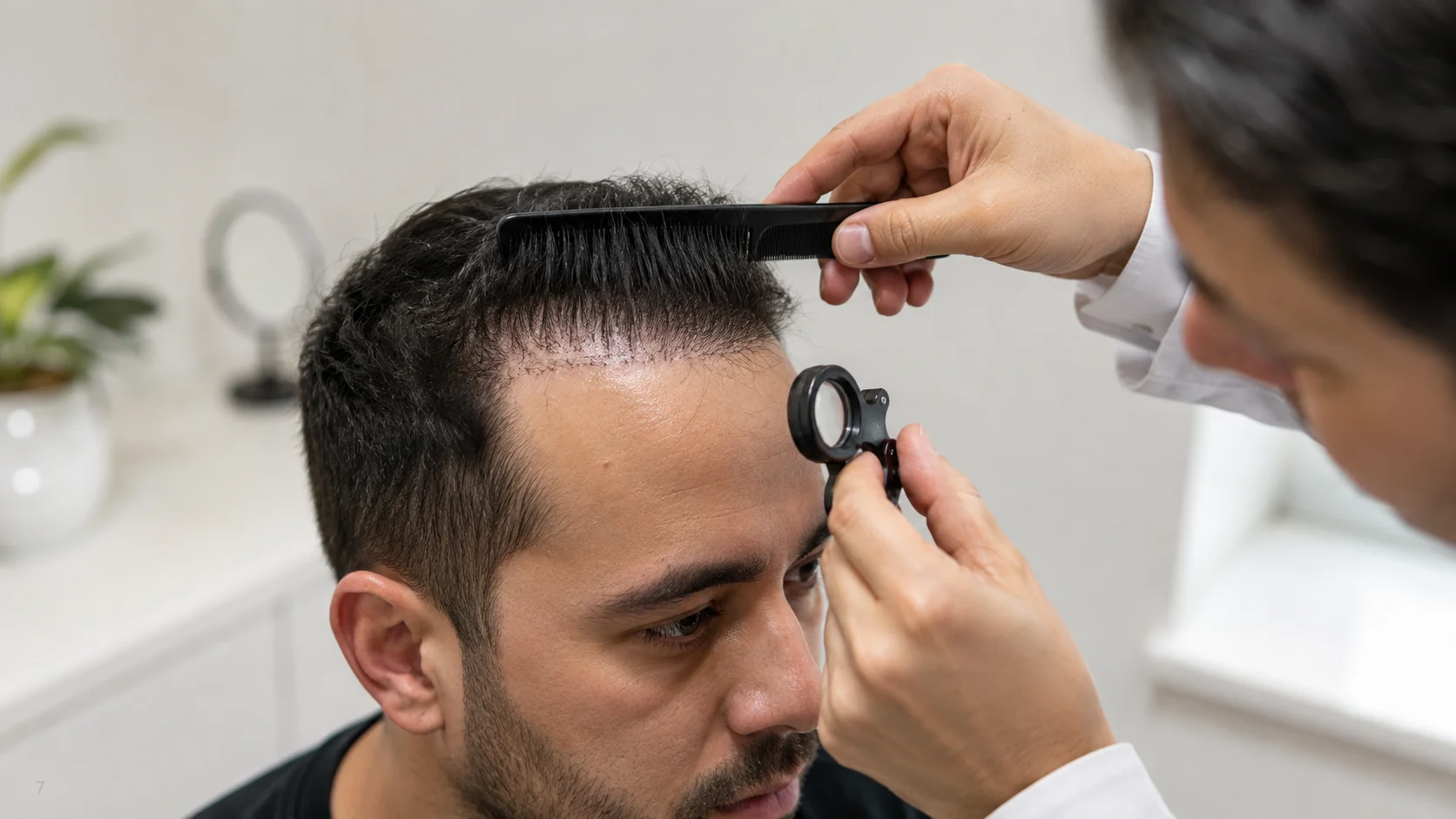
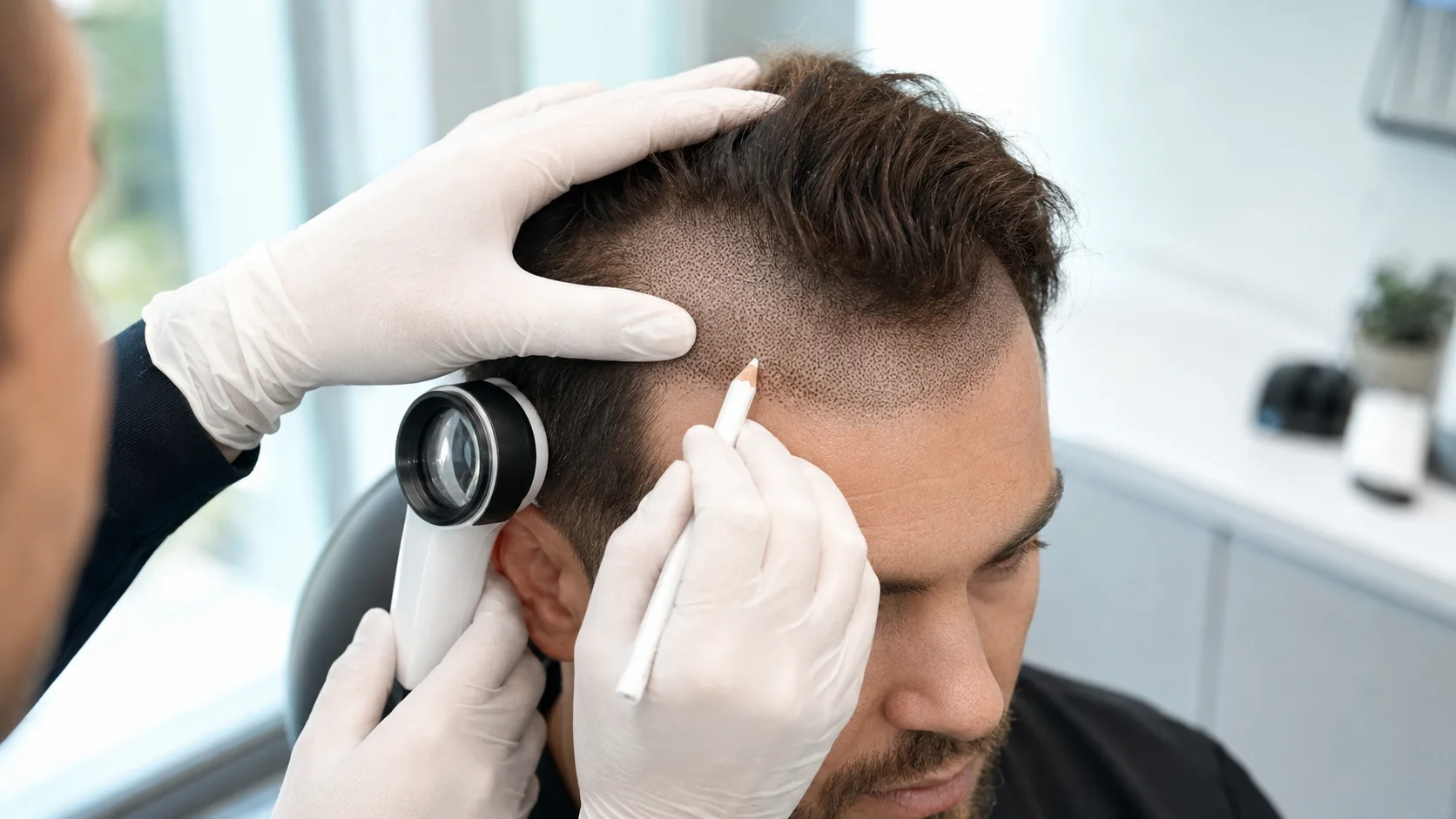
Responsible clinics check blood pressure before beginning, and sometimes again during longer sessions. If a reading is significantly elevated, the appointment may be paused, the patient given time to calm down and rest, or the procedure rescheduled entirely. This is inconvenient, but it reflects the same caution used before any elective surgery when vital signs are outside a safe range.
The same kind of pre-surgical medical review applies to hair transplant eligibility with psoriasis, where skin stability rather than blood pressure is the deciding factor.
Frequently Asked Questions
Can I have a hair transplant if I take blood pressure medication?
Often yes, provided blood pressure is stable and the medication list is reviewed by the surgical team beforehand.
Does epinephrine in local anesthesia matter for hypertensive patients?
It can. Epinephrine can raise heart rate and blood pressure briefly, so surgeons may adjust dosing or monitoring in patients with hypertension or cardiac history.
Will high blood pressure affect graft survival?
Not directly in most cases, but uncontrolled hypertension can increase bleeding, which can complicate the surgical field and indirectly affect healing.
Should I stop my blood pressure medicine before surgery?
No, not without explicit instruction from the prescribing physician. Stopping suddenly can cause blood pressure to rebound higher.
Final Thoughts
High blood pressure does not automatically disqualify someone from a hair transplant. The determining factors are whether it is well controlled, whether the medication and cardiac history have been reviewed, and whether readings are stable enough on the day of surgery to proceed safely.
This article is written for general educational purposes and does not replace individualized medical advice. Anyone with hypertension should discuss their surgical candidacy with both their physician and the hair restoration clinic.