Dermopigmentation is the controlled placement of pigment into the skin for cosmetic, reconstructive, or medical camouflage purposes. It is sometimes described as medical tattooing, paramedical tattooing, micropigmentation, or cosmetic tattooing, depending on the area treated and the reason for treatment.
In hair restoration discussions, pigment techniques are often associated with the scalp. But dermopigmentation is much broader. It can be used for eyebrows, beard enhancement, areola reconstruction, scar camouflage, vitiligo camouflage, cleft lip-related cosmetic correction, and other appearance-restoring applications. Its purpose is not to treat disease at the biological level, but to improve color, symmetry, contrast, or visual blending.
Dermopigmentation vs Trichopigmentation
Dermopigmentation is the wider field. It refers to pigment work performed on different parts of the skin for aesthetic, corrective, or reconstructive reasons.
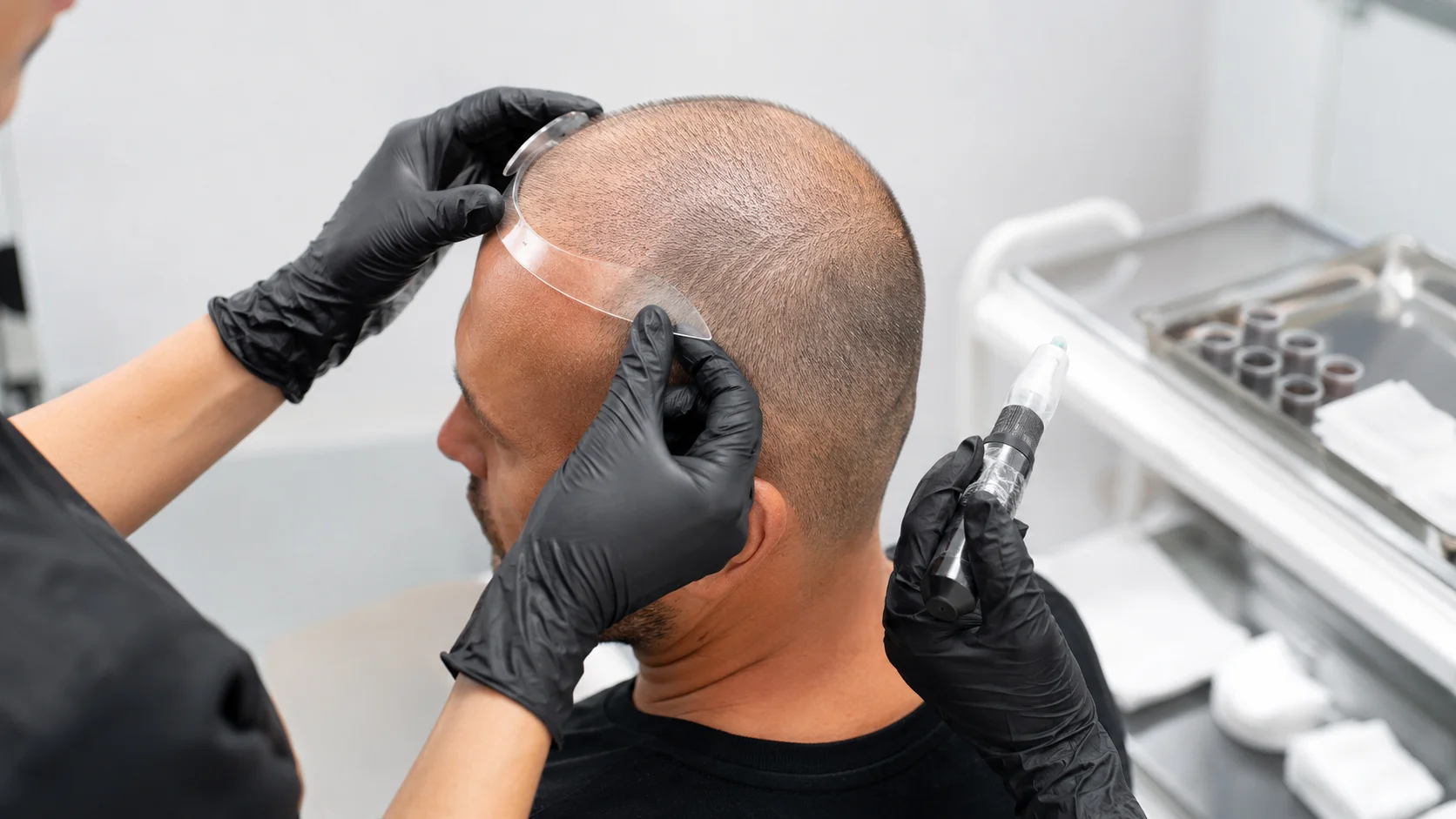
Trichopigmentation is a scalp-specific form of pigmentation used to camouflage hair loss. It imitates hair follicle dots or reduces contrast between scalp and hair. While trichopigmentation belongs within the wider family of pigmentation techniques, dermopigmentation includes many non-scalp uses.
Keeping these terms separate helps avoid confusion. A person seeking scar camouflage after surgery may need dermopigmentation. A person seeking the appearance of a shaved scalp may be discussing trichopigmentation or scalp micropigmentation.
How Dermopigmentation Works
Dermopigmentation uses fine needles or specialized devices to implant pigment into controlled layers of the skin. The goal is to create a color effect that blends naturally with surrounding tissue or enhances a specific feature.
The technique depends on the treatment area. Areola reconstruction requires different color selection and shading than eyebrow micropigmentation. Scar camouflage requires careful matching to surrounding skin and an understanding that scar tissue may hold pigment differently. Vitiligo camouflage requires stable disease and careful color planning.
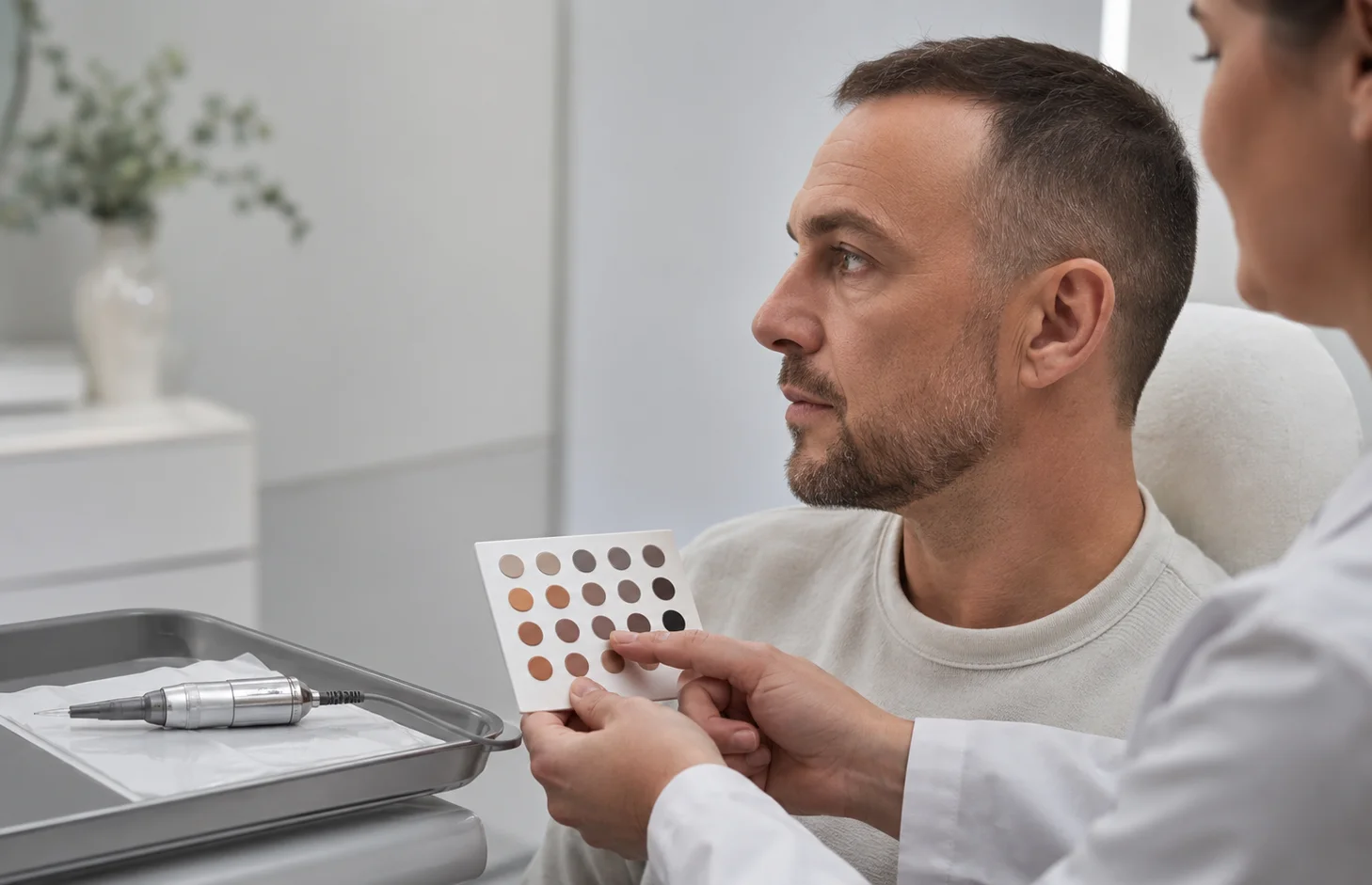
Because skin tone, undertone, scar texture, sun exposure, and healing response vary, dermopigmentation is both technical and artistic.
Medical and Reconstructive Uses
Areola Reconstruction
Areola dermopigmentation is often used after breast surgery or reconstruction to recreate the appearance of the nipple-areola complex. Pigment, shading, and color gradients can create a more natural visual result. This can be emotionally meaningful for some people after medical treatment or surgery.
It is still a cosmetic-reconstructive procedure, not a biological reconstruction of tissue function. The result may fade and may require touch-ups.
Scar Camouflage
Dermopigmentation can help blend certain scars with the surrounding skin. It may be used for surgical scars, injury scars, stretch marks, burns, or scars from previous procedures. The goal is not to erase the scar but to reduce color contrast.
Scar tissue is unpredictable. It may absorb pigment unevenly, fade differently, or require multiple sessions. Raised, unstable, red, painful, or actively changing scars are usually not ideal candidates until medically assessed and stable.
Vitiligo Camouflage
In selected cases, dermopigmentation may be used to camouflage stable vitiligo patches by adding pigment closer to the surrounding skin tone. This is generally considered only when vitiligo has been stable for a meaningful period and the area is suitable.
It is not a treatment for the autoimmune process that causes vitiligo. If the condition progresses, new depigmented areas may appear or the color match may change.
Cleft Lip and Other Corrective Applications
Dermopigmentation may help improve color symmetry around the lips after cleft lip repair or other reconstructive procedures. It may also be used to restore definition in areas where surgery, trauma, or pigment loss has altered appearance.
These applications require conservative planning because lip color and facial movement affect the final result.
Cosmetic Uses
Eyebrows
Eyebrow dermopigmentation may be used for sparse brows, cosmetic reshaping, or eyebrow loss from alopecia, over-plucking, aging, or medical treatment. Techniques may include hair-stroke effects, powder brows, or shaded approaches.
In people with active alopecia areata or inflammatory skin disease, timing and stability matter. Pigmentation can improve appearance but does not treat the underlying condition.
Beard and Facial Hair Camouflage
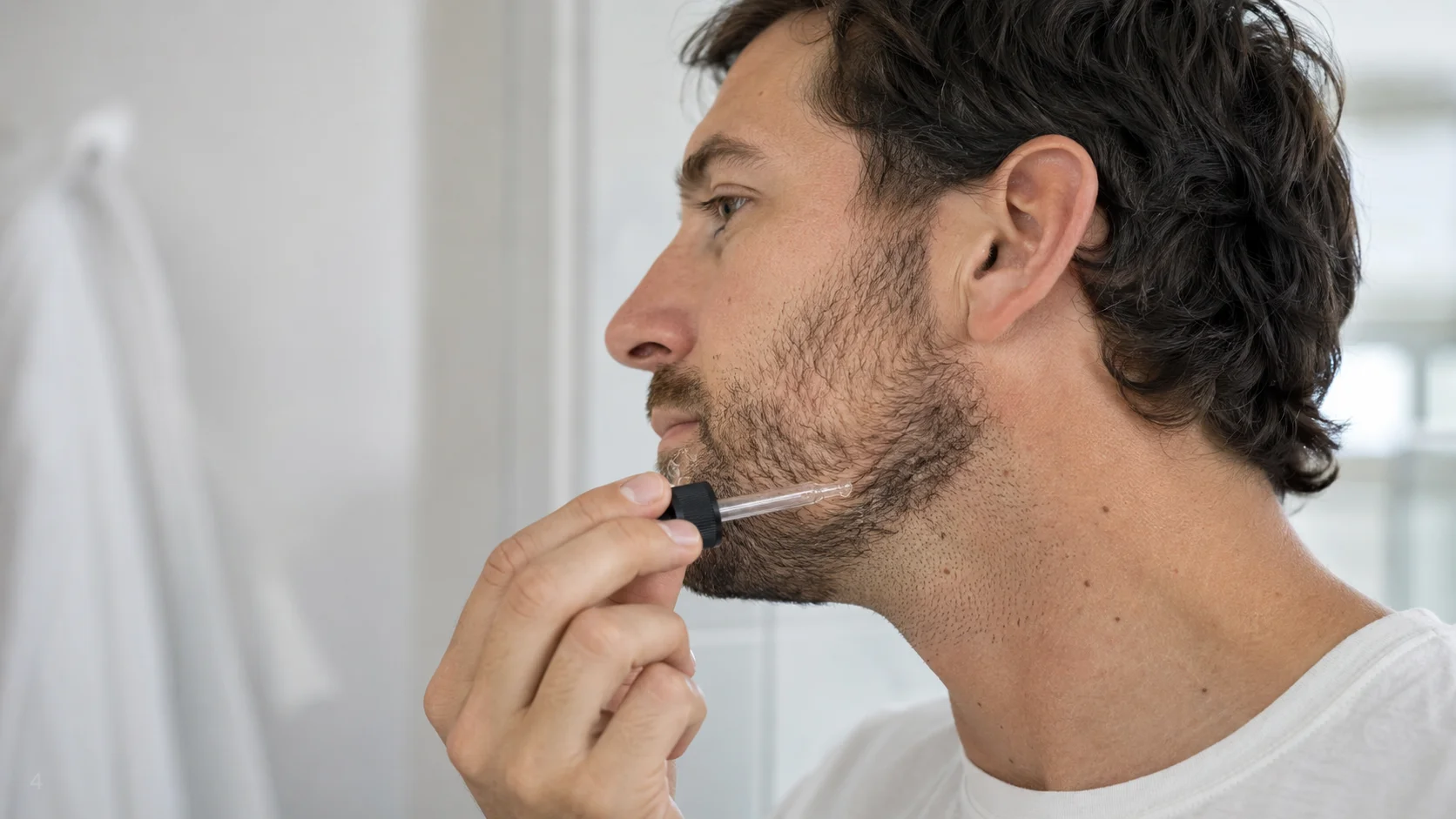
Dermopigmentation may be used to create the appearance of fuller beard density or camouflage patchy areas. This is cosmetic shading, not hair growth. It must be carefully matched to hair color, skin tone, and shaving habits.
If beard loss is sudden or patchy, medical causes such as alopecia areata, fungal infection, scarring, or inflammation should be considered before cosmetic camouflage.
Lips and Other Cosmetic Enhancement
Lip blush and other cosmetic tattooing techniques can adjust color and definition. These procedures are aesthetic rather than medical and carry risks such as swelling, color mismatch, herpes simplex flare in susceptible individuals, and dissatisfaction if color heals differently than expected.
Benefits of Dermopigmentation
Dermopigmentation can improve visual symmetry, reduce color contrast, restore the appearance of missing features, and help camouflage changes caused by surgery, trauma, pigment disorders, or hair loss. For some people, these changes support confidence and quality of life.
It can be especially useful when medical or surgical options are limited, when a person wants a non-surgical appearance solution, or when the goal is camouflage rather than biological restoration.
Limitations and Realistic Expectations
Dermopigmentation does not remove scars, cure vitiligo, regrow hair, or restore normal skin biology. It changes appearance by adding pigment. Results depend on skin type, pigment choice, technique, healing, sun exposure, immune response, and aftercare.
Color may fade or shift over time. Multiple sessions may be needed. Perfect color matching is difficult, especially because natural skin changes with sun exposure, redness, aging, and circulation. Scars and reconstructed tissue may not behave like normal skin.
A conservative result is often safer than an overly dark or sharply defined result.
Safety and Precautions
Dermopigmentation involves needles, so infection control is essential. Sterile equipment, safe pigments, skin preparation, and proper aftercare reduce risk. Possible side effects include infection, allergic reaction, scarring, granuloma formation, pigment migration, poor color match, and dissatisfaction.
People with active skin infection, uncontrolled inflammatory skin disease, keloid tendency, unstable scars, active vitiligo, immune suppression, bleeding disorders, or certain medication use may need medical clearance or may not be suitable candidates.
Sun exposure can change pigment appearance and surrounding skin tone, making color matching harder over time. Long-term maintenance should be expected.
Choosing a Qualified Practitioner
Skill and judgment matter greatly. A qualified practitioner should understand skin anatomy, color theory, sterile technique, pigment behavior, wound healing, and the specific treatment area. Medical or reconstructive cases often require more caution than routine cosmetic tattooing.
Before treatment, a person should ask about training, hygiene protocols, pigment type, expected fading, number of sessions, aftercare, correction options, and whether a patch test or staged approach is appropriate.
For medically complex skin, coordination with a dermatologist or relevant clinician may be important.
FAQ
Is dermopigmentation the same as tattooing?
It is related because pigment is placed into the skin with needles. However, medical and cosmetic dermopigmentation often uses specialized techniques, pigment choices, and treatment goals.
Can dermopigmentation remove scars?
No. It cannot remove scar tissue. It may reduce the color contrast between a scar and surrounding skin in suitable cases.
Is dermopigmentation permanent?
Some pigment may persist long-term, but fading and color change are common. Touch-ups may be needed.
Can dermopigmentation help vitiligo?
It may camouflage stable vitiligo in selected cases, but it does not treat the underlying condition and may not be suitable for active or spreading vitiligo.
Is dermopigmentation safe after surgery?
It may be considered after full healing and scar maturation. Timing should be guided by medical advice, especially after reconstructive surgery.
The Bottom Line
Dermopigmentation is a broad medical and cosmetic pigmentation field that extends far beyond hair restoration. It can support areola reconstruction, scar camouflage, vitiligo camouflage, eyebrow restoration, beard appearance, and other corrective or aesthetic goals.
Its value lies in visual restoration, not biological cure. Good results depend on stable skin, careful candidate selection, realistic expectations, and skilled technique. When used appropriately, dermopigmentation can be a meaningful appearance-management option, but it should be approached with the same seriousness as any procedure involving the skin.
This article is for general informational purposes only and does not replace individualized medical advice, diagnosis, or treatment. If you have a medical skin condition, unstable scar, pigment disorder, or unexplained hair loss, consult a qualified healthcare professional before dermopigmentation.