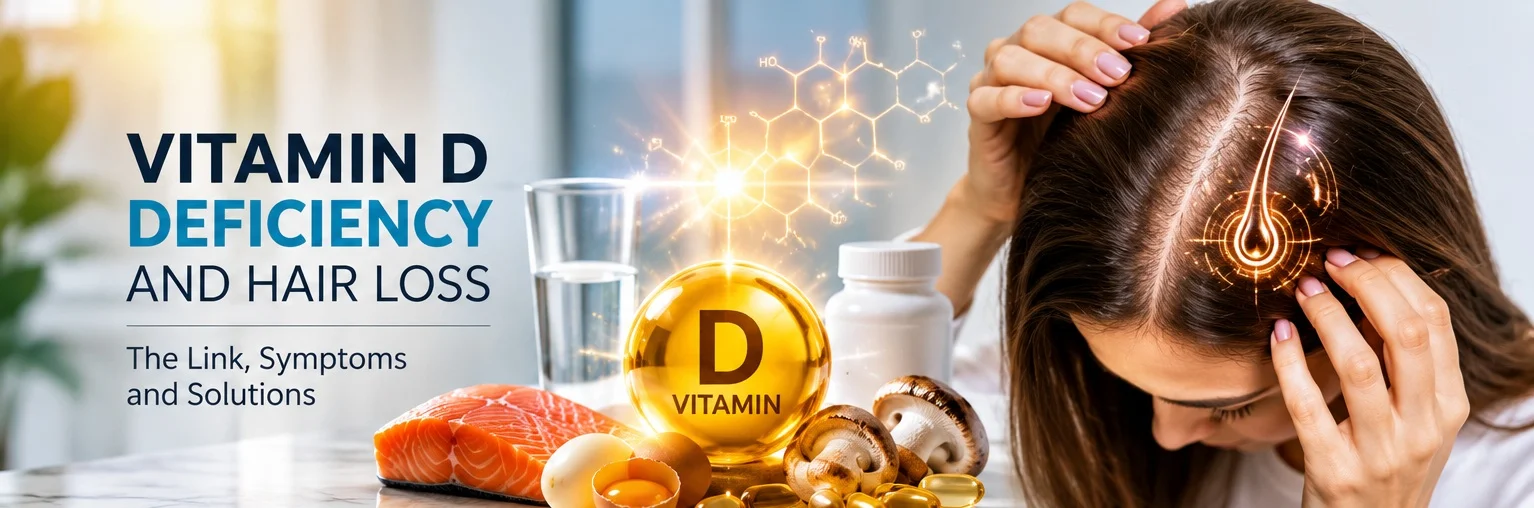
Does Vitamin D Deficiency Cause Hair Loss?
Hair loss can be caused by a variety of factors, including genetics, hormonal imbalances, stress, nutritional deficiencies, and certain medical conditions. Among these factors, vitamin D deficiency has gained significant attention in recent years due to its potential impact on hair growth and follicle health.
Many people experiencing excessive shedding or thinning hair wonder whether low vitamin D levels could be contributing to their condition. While vitamin D deficiency is not always the sole cause of hair loss, scientific research suggests that it may play an important role in maintaining healthy hair follicles and supporting the hair growth cycle.
In this article, we explore the relationship between vitamin D and hair health, how deficiency may contribute to hair loss, and what steps can be taken to address the issue.
What Is Vitamin D?
Vitamin D is a fat-soluble vitamin that plays a crucial role in several bodily functions. It is best known for supporting bone health by helping the body absorb calcium and phosphorus. However, vitamin D is also involved in immune system regulation, cell growth, inflammation control, and tissue repair.
The body naturally produces vitamin D when the skin is exposed to sunlight. It can also be obtained from certain foods such as fatty fish, egg yolks, fortified dairy products, and dietary supplements.
Despite its importance, vitamin D deficiency is extremely common worldwide, affecting millions of people across different age groups.
How Does Vitamin D Affect Hair Growth?
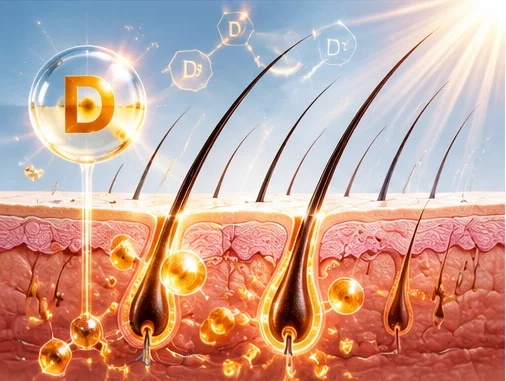
Hair follicles are among the most active structures in the human body. They undergo continuous cycles of growth, rest, and shedding. Vitamin D receptors are present in hair follicles and play an essential role in regulating these cycles.
Research suggests that vitamin D contributes to:
- Hair follicle development
- Hair follicle cycling
- Stimulation of new hair growth
- Maintenance of healthy scalp tissues
- Regulation of keratinocyte function, which is critical for hair production
When vitamin D levels are insufficient, hair follicles may struggle to function optimally, potentially leading to thinning hair and increased shedding.
Can Vitamin D Deficiency Cause Hair Loss?
Yes, vitamin D deficiency may contribute to certain types of hair loss.
Several studies have found lower vitamin D levels in individuals experiencing various forms of hair loss compared to healthy individuals. While deficiency may not directly cause every case of hair loss, it can be a contributing factor that worsens existing conditions.
Vitamin D deficiency has been associated with:
Telogen Effluvium
Telogen effluvium is a temporary form of hair loss characterized by excessive shedding. It often occurs after physical or emotional stress, illness, surgery, or nutritional deficiencies.
Low vitamin D levels may increase the likelihood of prolonged shedding and delay recovery.
Alopecia Areata
Alopecia areata is an autoimmune condition that causes patchy hair loss. Numerous studies have shown that individuals with alopecia areata often have significantly lower vitamin D levels compared to the general population.
Although vitamin D supplementation alone may not cure the condition, correcting deficiency may support overall treatment outcomes.
Female Pattern Hair Loss
Research has also identified a potential connection between vitamin D deficiency and female pattern hair loss. Women with chronic hair thinning frequently present lower serum vitamin D levels than women without hair loss.
General Hair Thinning
Even when hair loss is not linked to a specific medical diagnosis, inadequate vitamin D levels may negatively affect hair density and growth quality over time.
Symptoms of Vitamin D Deficiency
Vitamin D deficiency can be difficult to recognize because symptoms may develop gradually. Common signs include:
- Increased hair shedding
- Fatigue and low energy
- Muscle weakness
- Bone pain
- Frequent infections
- Mood changes or depression
- Slow wound healing
Since these symptoms overlap with many other conditions, blood testing is the most reliable way to determine vitamin D status.

How Is Vitamin D Deficiency Diagnosed?
A healthcare professional can assess vitamin D levels through a simple blood test known as the 25-hydroxyvitamin D test.
Generally accepted ranges include:
- Deficient: Below 20 ng/mL (50 nmol/L)
- Insufficient: 20–30 ng/mL (50–75 nmol/L)
- Sufficient: Above 30 ng/mL (75 nmol/L)
If hair loss is present, physicians may also investigate additional factors such as iron deficiency, thyroid disorders, hormonal imbalances, and genetic predisposition.
Can Hair Grow Back After Correcting Vitamin D Deficiency?
In many cases, hair growth may improve once vitamin D levels return to a healthy range.
However, results depend on the underlying cause of hair loss. If vitamin D deficiency is a primary contributing factor, restoring adequate levels may help reduce shedding and support healthier hair growth over time.
Hair follicles require time to recover, so noticeable improvements often take several months. Most individuals begin to observe changes between three and six months after correcting a deficiency.
How to Increase Vitamin D Levels
Safe Sun Exposure
Moderate exposure to sunlight remains one of the most effective ways to increase vitamin D production. Spending short periods outdoors several times per week may help maintain healthy levels.
Dietary Sources
Foods rich in vitamin D include:
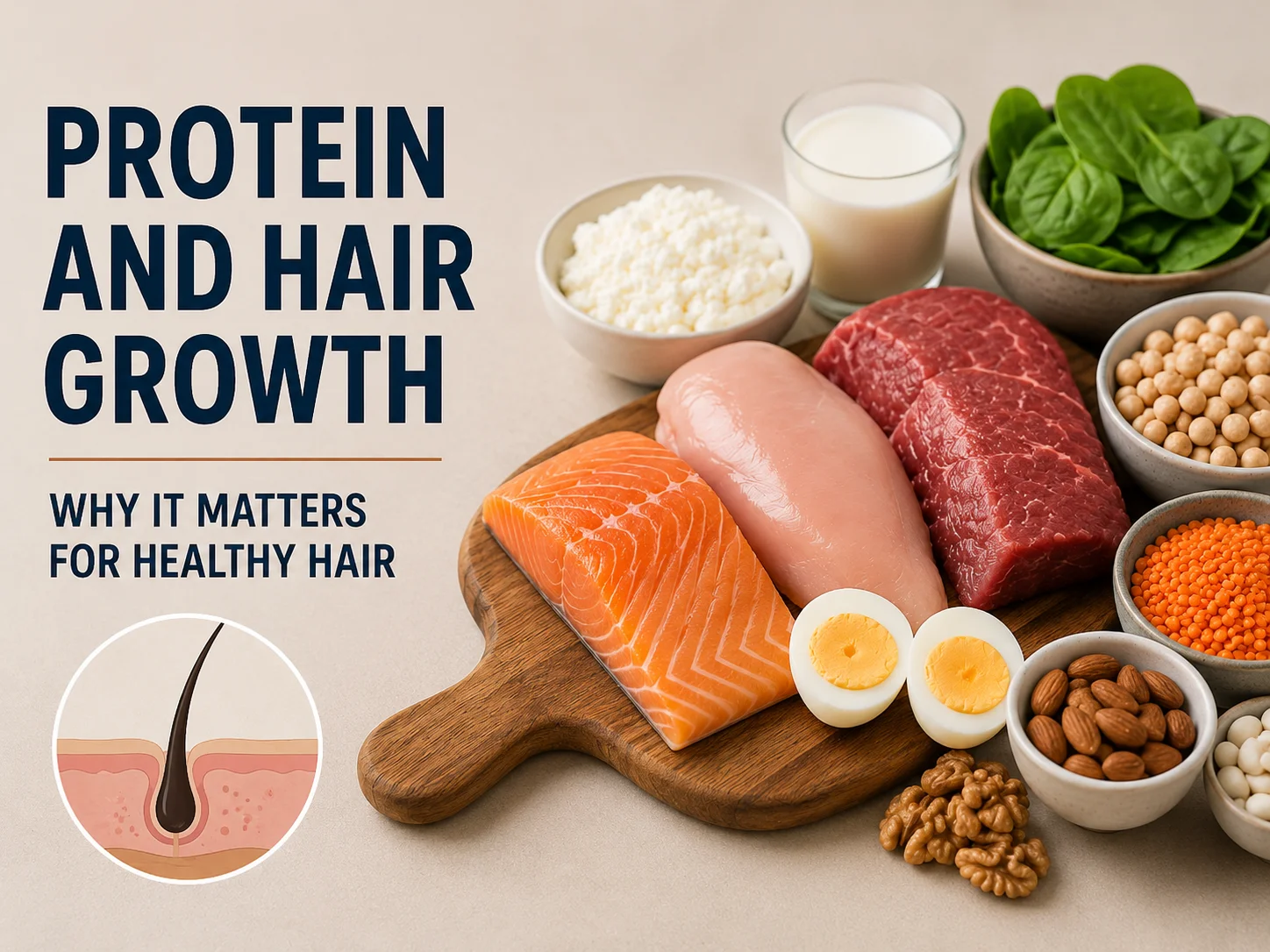
- Salmon
- Tuna
- Sardines
- Egg yolks
- Fortified milk
- Fortified cereals
- Mushrooms exposed to UV light
Supplements
Vitamin D supplements may be recommended when deficiency is confirmed through blood testing. Supplement dosage should always be determined by a healthcare professional, as excessive vitamin D intake can lead to health complications.

Is Vitamin D the Only Cause of Hair Loss?
No. Hair loss is often multifactorial.
Other common causes include:
- Genetic predisposition
- Hormonal changes
- Stress
- Iron deficiency
- Thyroid disorders
- Poor nutrition
- Certain medications
- Scalp conditions
For this reason, individuals experiencing significant hair loss should undergo a comprehensive medical evaluation rather than assuming vitamin D deficiency is the sole cause.
When Should You Seek Professional Advice?
If you notice excessive shedding, visible thinning, bald patches, or changes in hair density that persist for several months, it is advisable to consult a healthcare professional or hair restoration specialist.
Early diagnosis can help identify underlying causes and improve treatment outcomes.
Conclusion
Vitamin D plays an important role in maintaining healthy hair follicles and supporting the hair growth cycle. Although vitamin D deficiency may not be responsible for every case of hair loss, scientific evidence suggests that low levels can contribute to increased shedding, thinning hair, and certain hair loss conditions.
If you suspect vitamin D deficiency may be affecting your hair health, a simple blood test can provide valuable insights. Correcting nutritional deficiencies, maintaining a balanced diet, and seeking professional guidance can help support healthier hair growth and overall well-being.
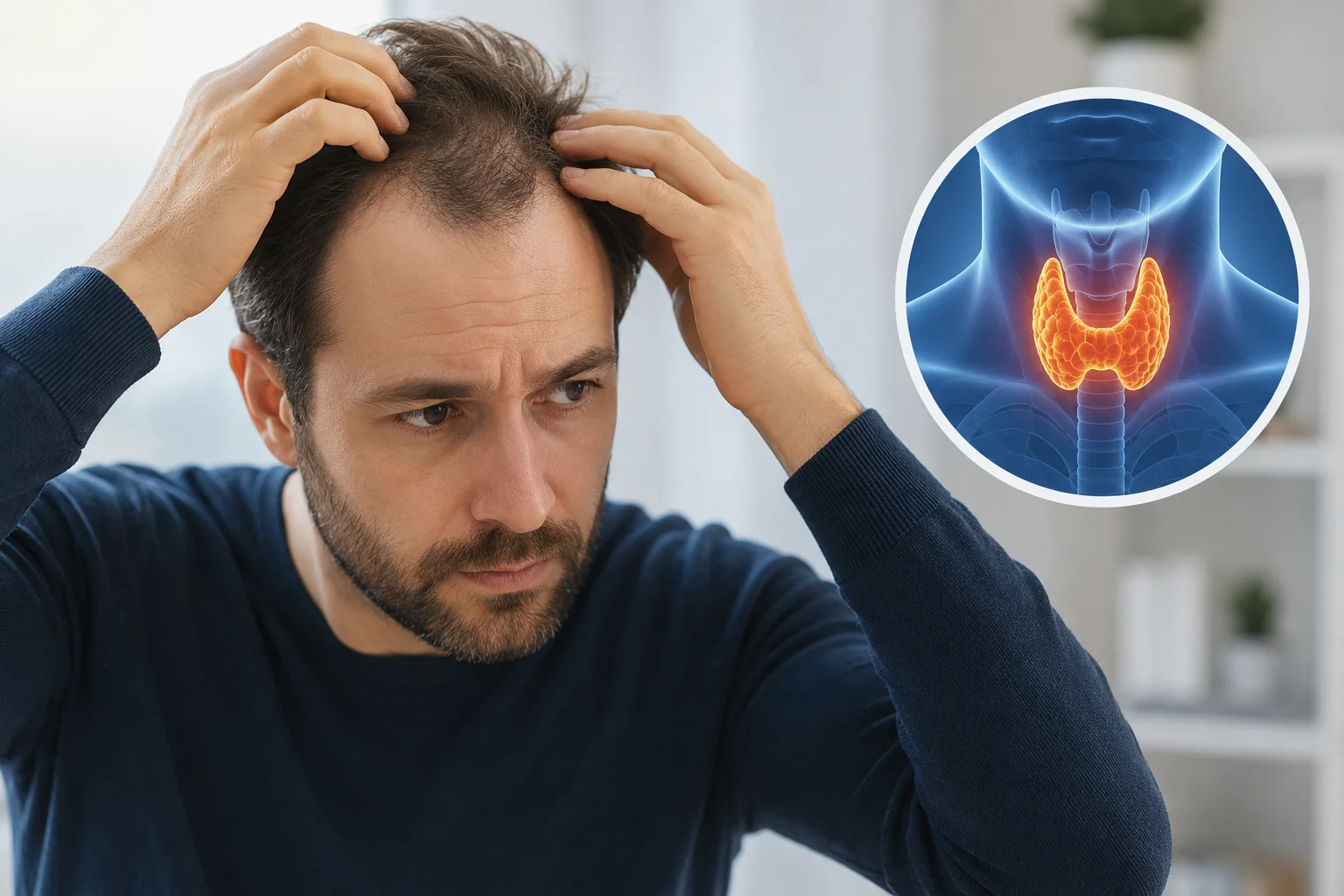
Hormonal causes are another important area to check, including thyroid disease and hair loss.
Sources / References
- National Institutes of Health (NIH) – Vitamin D Fact Sheet for Health Professionals
- American Academy of Dermatology (AAD)
- International Society of Hair Restoration Surgery (ISHRS)
- Rasheed H. et al. Relationship between serum vitamin D and hair loss among women.
- PubMed: Vitamin D and Hair Follicle Biology
- National Health Service (NHS) – Vitamin D Overview