Can You Get a Hair Transplant If You Have Eczema?
Eczema, or atopic dermatitis, weakens the skin's outer barrier and often comes with intense itching - two features that matter a great deal for a procedure built on precise, tiny wounds healing undisturbed. Having eczema does not rule out a hair transplant outright, but the scalp needs to be reasonably calm before surgery is a good idea.
The Real Risk Is Scratching, Not Just Inflammation
Freshly placed grafts are only loosely anchored for the first several days after surgery, and dislodging even a small number early on can affect the final result. Eczema's hallmark symptom, itch, is exactly the kind of thing that can lead a patient to scratch the recipient area during sleep or without thinking, especially in the first week when itching from normal healing is also common. Distinguishing "healing itch" from an eczema flare in that window is genuinely difficult, which is part of why surgeons want itch reasonably under control going in.
Scalp Eczema Versus Eczema Elsewhere
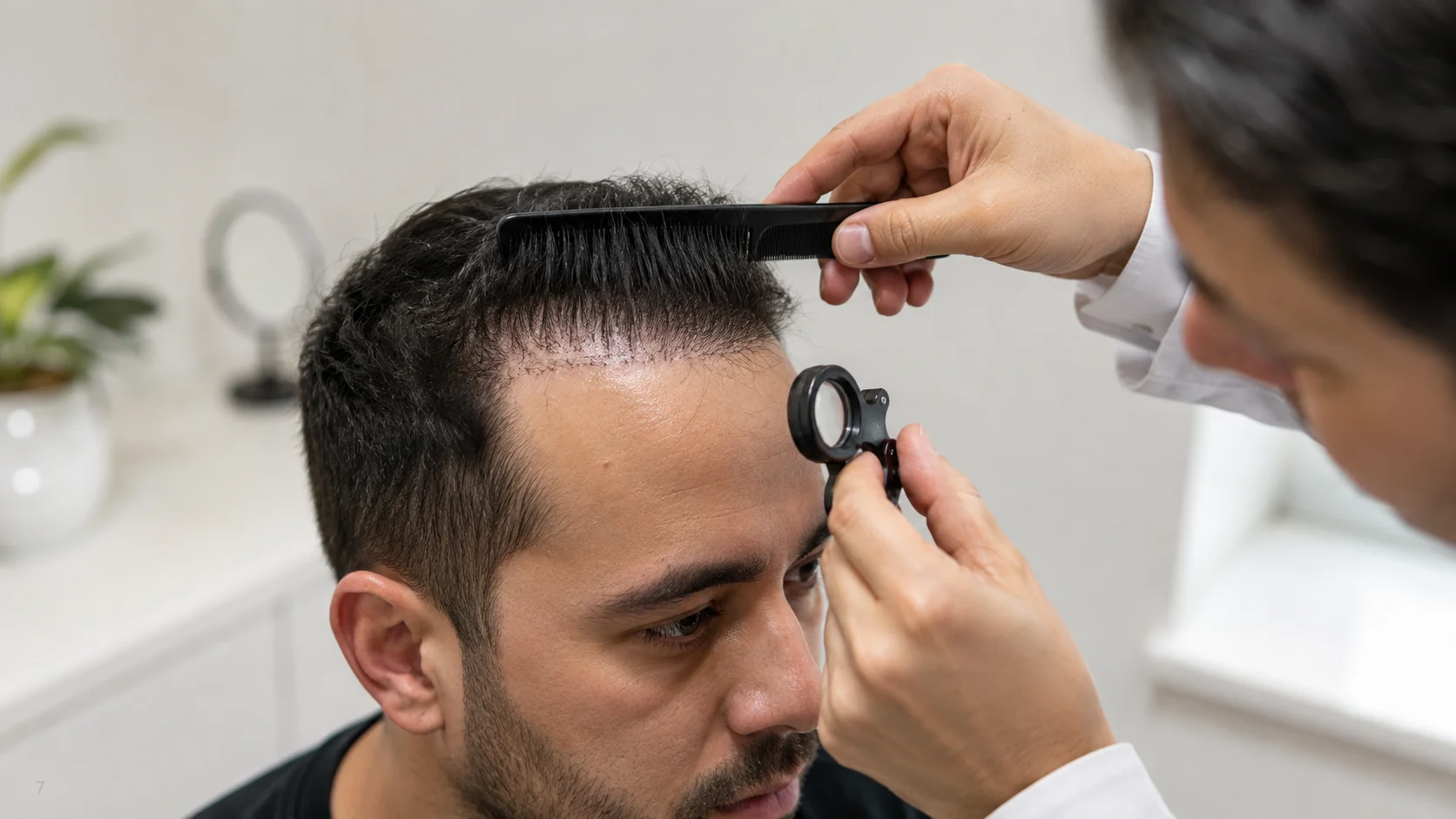
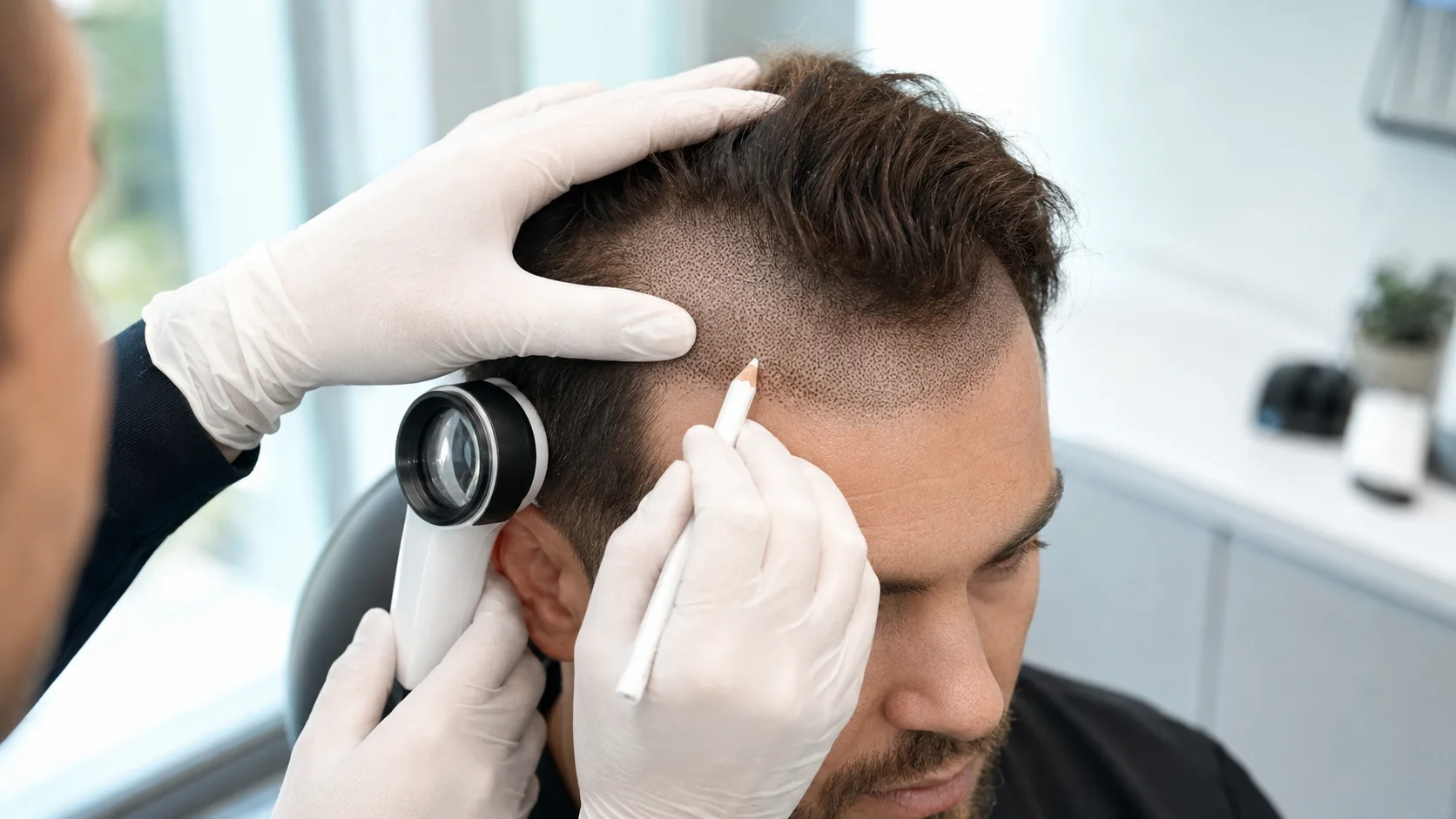
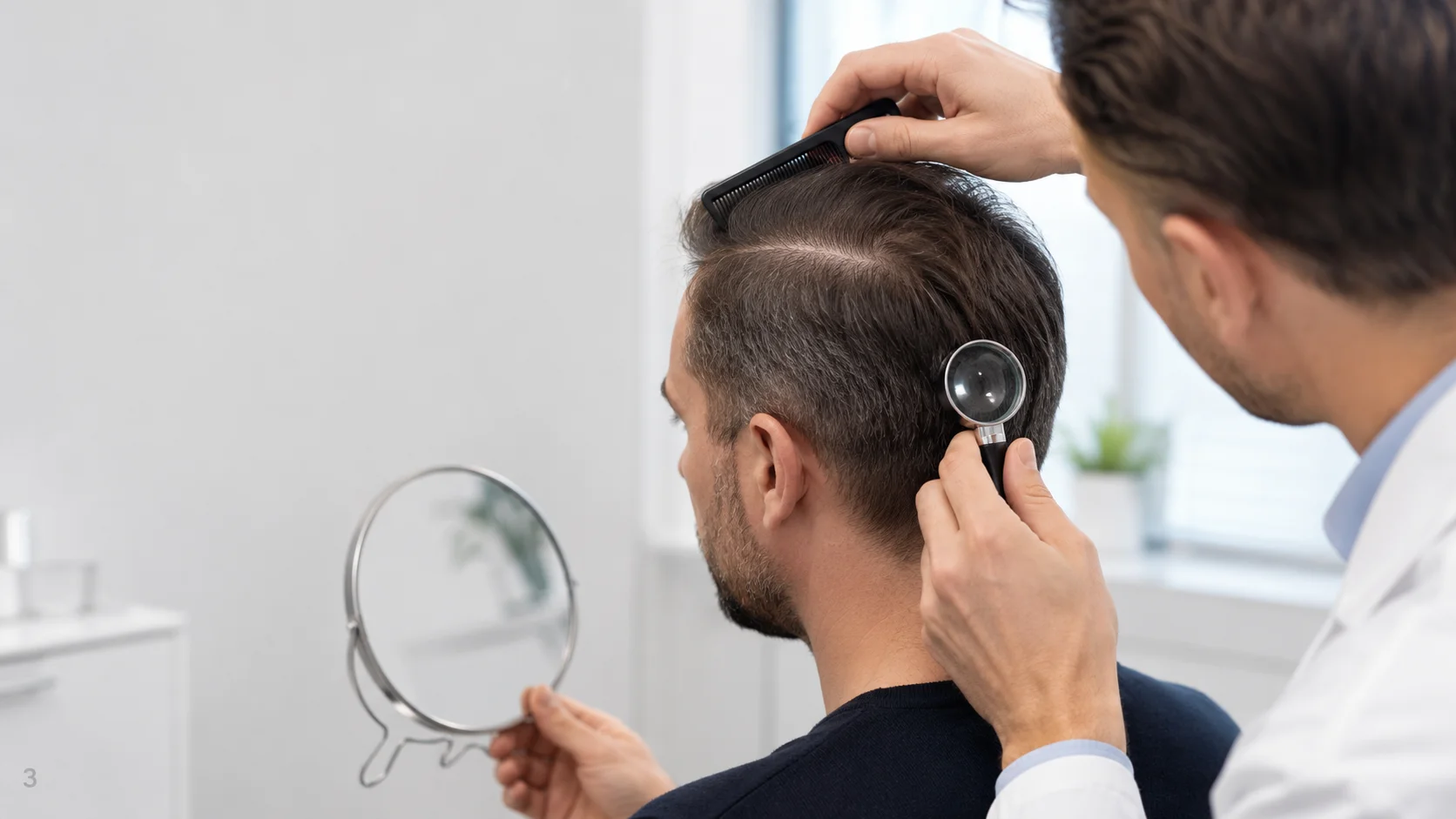
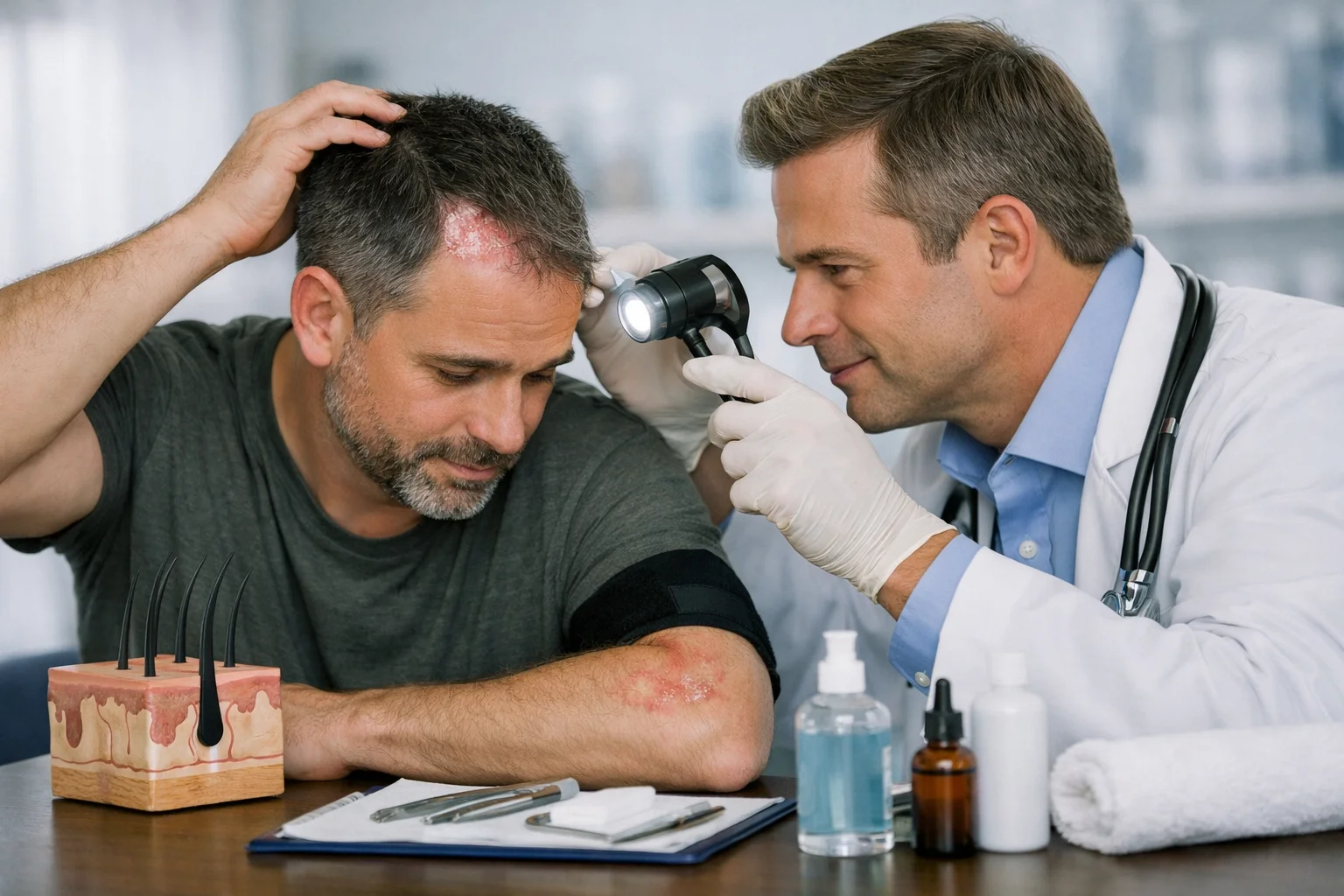
Not all eczema is equally relevant. Eczema confined to the hands, elbows, or other non-scalp areas may have little bearing on candidacy in an otherwise healthy person. Eczema on the scalp is a different matter, since it sits directly in the donor and recipient fields. Active, weeping, or cracked scalp eczema in the donor strip can complicate extraction and slow healing; the same in the recipient area can make graft placement more uncomfortable and less predictable.
Skin Barrier Function and Infection Risk
According to the NIH, eczema-affected skin has a compromised barrier that is more prone to colonization by bacteria such as Staphylococcus aureus, which can raise infection risk if the skin is broken or actively inflamed at the time of surgery. This is one reason clinics generally prefer to operate on skin that is closer to its baseline condition rather than mid-flare.
When Surgery Should Wait
Open, oozing, or crusted eczema lesions in the surgical zones are generally a reason to postpone. So is a patient in the middle of a significant flare, even without visible open skin, since the itch alone increases the odds of self-inflicted damage to grafts during the vulnerable early recovery period. Waiting for symptoms to settle, rather than pushing ahead on a fixed date, tends to produce a smoother outcome.
Moisturizing and Post-Surgical Skin Care
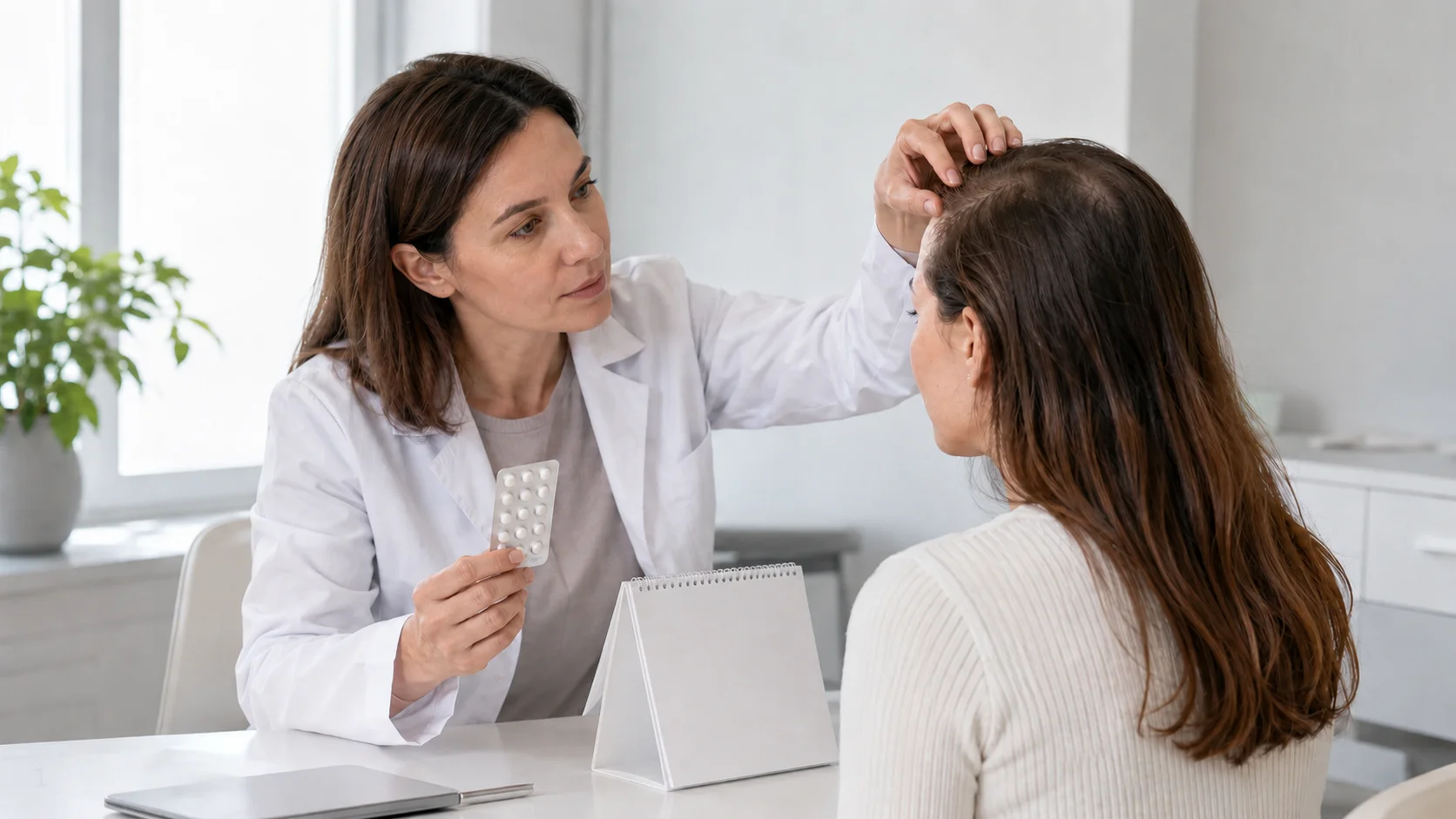
People with eczema typically rely on regular moisturizing to maintain their skin barrier, but standard post-transplant aftercare instructions - avoiding certain products near fresh grafts, limited washing for the first days - can conflict with that routine. Coordinating a modified skincare plan with both the dermatologist and the transplant clinic ahead of time helps avoid this tension during the sensitive early recovery window.
Similar attention to the surgical field, though for a different underlying reason, is discussed in relation to hair transplant eligibility with hepatitis.
Frequently Asked Questions
Can eczema affect transplanted hair growth?
Not typically on its own, but active inflammation or repeated scratching during early recovery can disturb healing grafts.
Can I have surgery during an eczema flare?
It's usually better to wait, particularly if the flare involves the scalp, since itching increases the risk of disturbing fresh grafts.
Is scalp itching normal after a hair transplant regardless of eczema?
Some itching is a normal part of healing for anyone, but people with eczema may find it harder to tell that apart from a flare, so this should be discussed beforehand.
Should I keep using my eczema moisturizer after surgery?
Only as directed by the clinic. Some products are not suitable near fresh graft sites, so this should be planned in advance rather than decided on the spot.
Final Thoughts
Eczema does not automatically prevent a hair transplant, but active scalp symptoms, itch control, and skin barrier health all deserve attention before scheduling. The calmer the scalp going into surgery, the easier it is to protect fresh grafts through the vulnerable first days of recovery.
This article is for general educational purposes only and is not a substitute for medical advice from a qualified dermatologist or hair restoration surgeon.