Which Hair Loss Treatment Is Right for You?
Choosing a hair loss treatment can feel overwhelming. There are topical products, oral medications, procedures, supplements, scalp treatments, and surgical options, each with different claims and expectations. The right choice depends on why hair loss is happening in the first place.
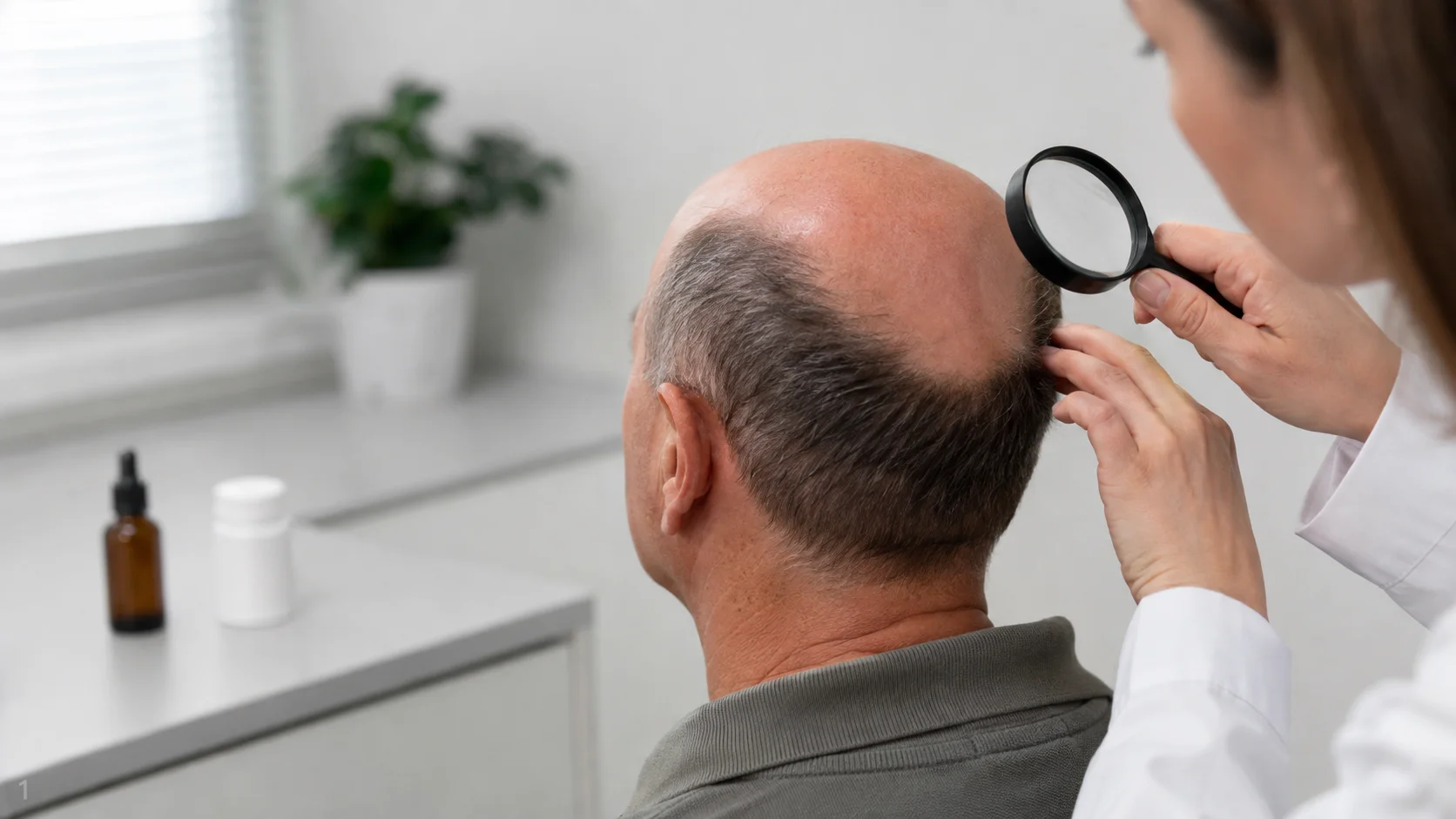
The best hair loss treatment is the one that matches your diagnosis, stage of hair loss, medical history, goals, and ability to use it consistently. A treatment that works well for one person may be unsuitable for another. Before choosing a treatment, it is important to understand whether the issue is shedding, genetic thinning, breakage, inflammation, scarring, or another cause.
Start With the Type of Hair Loss
Hair loss is not one condition. It is a symptom with many possible causes. Common categories include hereditary pattern hair loss, temporary shedding, autoimmune-related hair loss, scalp inflammation, traction-related hair loss, nutritional deficiencies, medication-related shedding, and hair breakage.
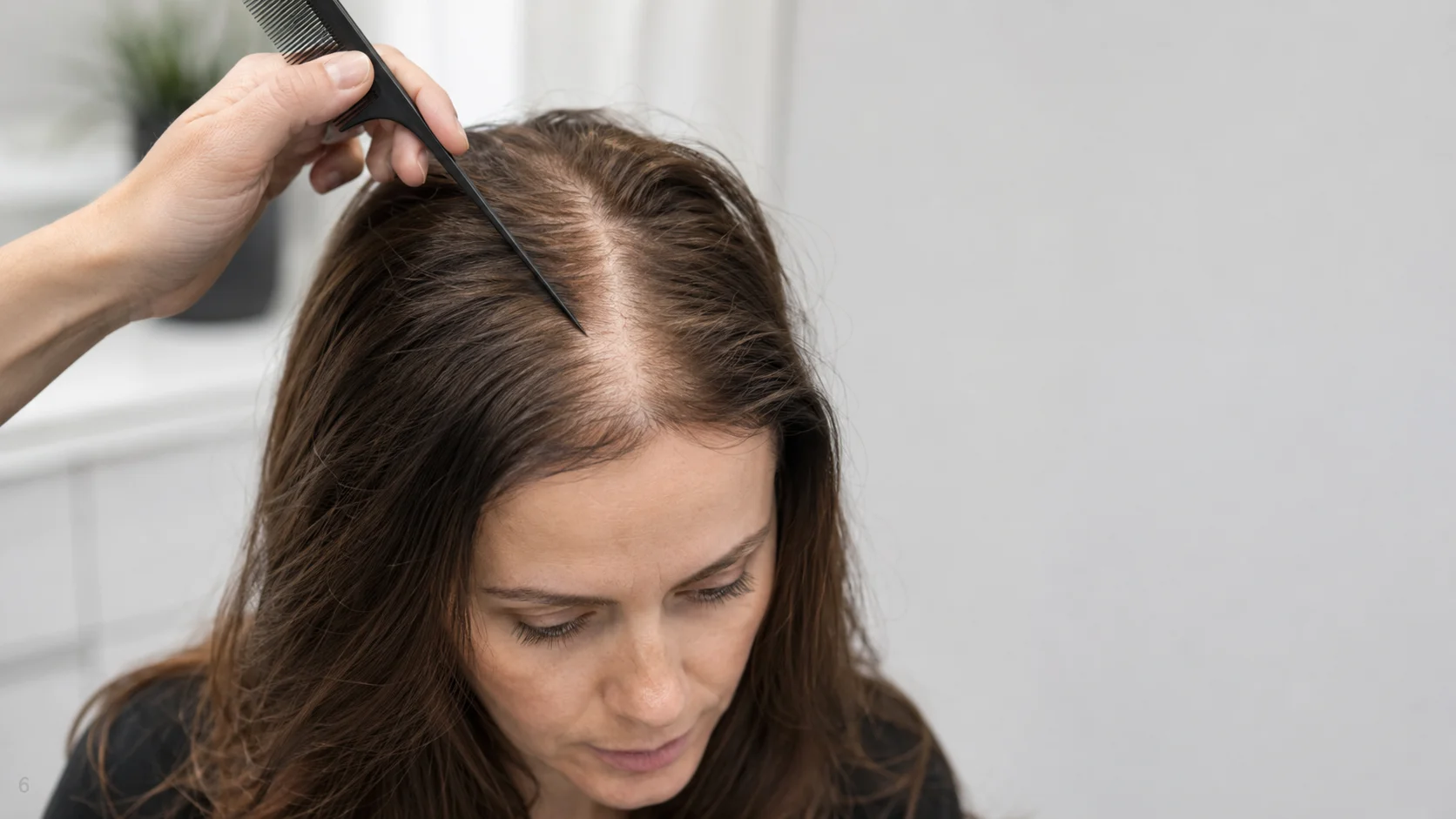
These conditions can look similar at first. A widening part may suggest pattern hair loss, but shedding or breakage can also change density. A flaky scalp may seem cosmetic, but inflammation can sometimes affect hair growth. Patchy hair loss may require a different evaluation than gradual thinning.
Because of this, treatment should not begin with guessing. It should begin with identifying the most likely cause.
Match the Treatment to the Goal
Different people have different treatment goals. Some want to slow progression. Others want regrowth, improved density, reduced shedding, better scalp comfort, or stabilization before considering a procedure.
Common treatment goals include:
- Slowing ongoing thinning
- Supporting regrowth where follicles remain active
- Reducing excessive shedding
- Treating scalp inflammation
- Correcting deficiencies
- Preventing further traction or breakage
- Improving cosmetic coverage
- Maintaining results long term
A treatment plan may focus on one goal or combine several. The clearer the goal, the easier it is to judge whether the treatment is working.
Consider Safety and Medical Suitability
Not every treatment is appropriate for every person. Medical history, pregnancy plans, breastfeeding, age, hormonal factors, blood pressure, allergies, scalp sensitivity, and other medications may all affect treatment choice.
Topical treatments may still cause irritation or unwanted effects in some people. Oral treatments require more careful medical consideration. Procedures may not be suitable if hair loss is unstable, scarring, inflammatory, or poorly diagnosed.
A safe plan should balance potential benefit with risk, convenience, cost, and long-term commitment.
Think About Maintenance
Some hair loss treatments require ongoing use to maintain results. This is especially true for progressive hair loss, where treatment may be managing an underlying tendency rather than permanently curing it.
Before starting, it is worth asking whether the routine is realistic. A treatment that must be used consistently may not be the best fit if it is too expensive, irritating, inconvenient, or emotionally stressful to maintain.
Maintenance does not mean failure. It simply means the treatment is part of long-term management. Understanding this early can prevent disappointment later.
When Procedures or Transplant Options Fit In
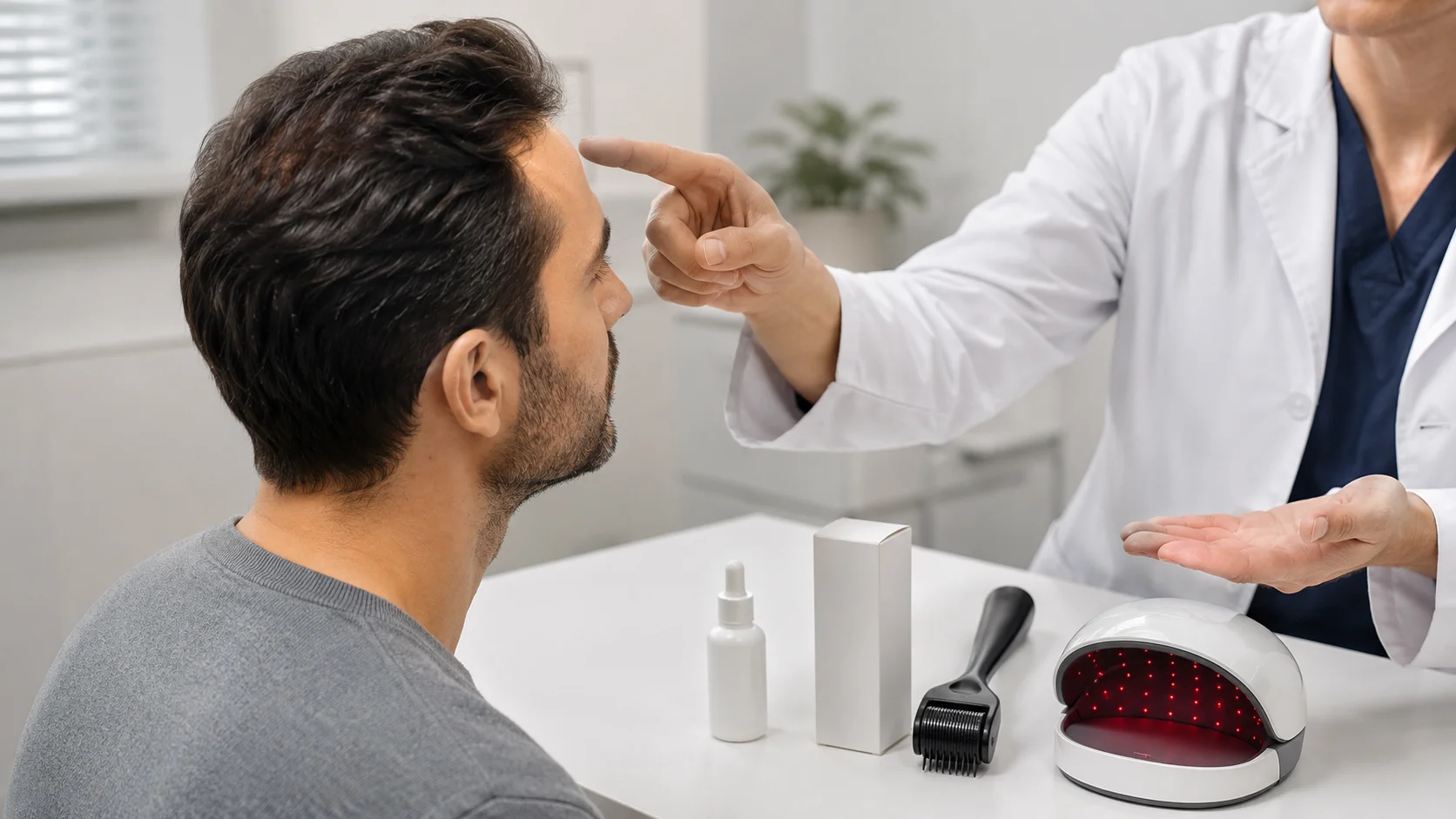
Procedural treatments and hair transplant surgery may be considered in some cases, but they are not substitutes for diagnosis. A procedure may improve density or coverage in selected individuals, but it may not stop ongoing hair loss around untreated areas.
For people with progressive hair loss, medical management may still be recommended before or after procedures. For people with temporary shedding or active scalp disease, a procedure may be inappropriate until the condition is stable.
The right timing matters as much as the right treatment.
Frequently Asked Questions
Can I choose a hair loss treatment based on online reviews?
Reviews can describe personal experiences, but they cannot diagnose your hair loss. A treatment should be chosen based on the cause of hair loss, safety, and realistic goals.
What is the best treatment for hair loss?
There is no single best treatment for everyone. The best option depends on the type of hair loss, severity, medical suitability, and whether the goal is stabilization, regrowth, or maintenance.
Should I try supplements first?
Supplements may help when there is a true deficiency, but they are not a universal hair loss treatment. Unnecessary supplementation may not improve hair and can sometimes cause problems.
How do I know if a treatment is working?
Progress may show as reduced shedding, improved density, stabilization, or better scalp health. Consistent photos and follow-up evaluations are usually more reliable than daily mirror checks.
Final Thoughts
Choosing the right hair loss treatment starts with understanding the cause. Once the diagnosis is clearer, treatment decisions can be based on safety, goals, maintenance, and realistic expectations.
A personalized plan is usually more useful than trying products randomly. Hair loss can be emotional, but a structured approach can make decisions calmer and more informed.
This content is for general informational purposes only and does not replace individualized medical advice, diagnosis, or treatment.