No hair loss treatment is universally "permanent" in the sense of a one-time fix that removes all future risk. What differs is how each treatment type achieves its results and how much ongoing commitment it requires. Understanding this modality-by-modality difference is more useful than asking a single yes/no question.
This article compares permanence across the main treatment categories. For a detailed look at the timeline of what happens after stopping a specific treatment, see what happens if you stop hair loss treatment.
Topical Treatments: Minoxidil
Topical minoxidil supports the hair growth cycle for as long as it is applied. According to FDA-approved labeling, its effect is not stored in the hair or scalp — it requires continuous use. When application stops, hairs that were being supported may gradually return to their pre-treatment pattern over several months. Topical minoxidil is a maintenance treatment, not a one-time intervention.
Oral Treatments: Finasteride and Dutasteride
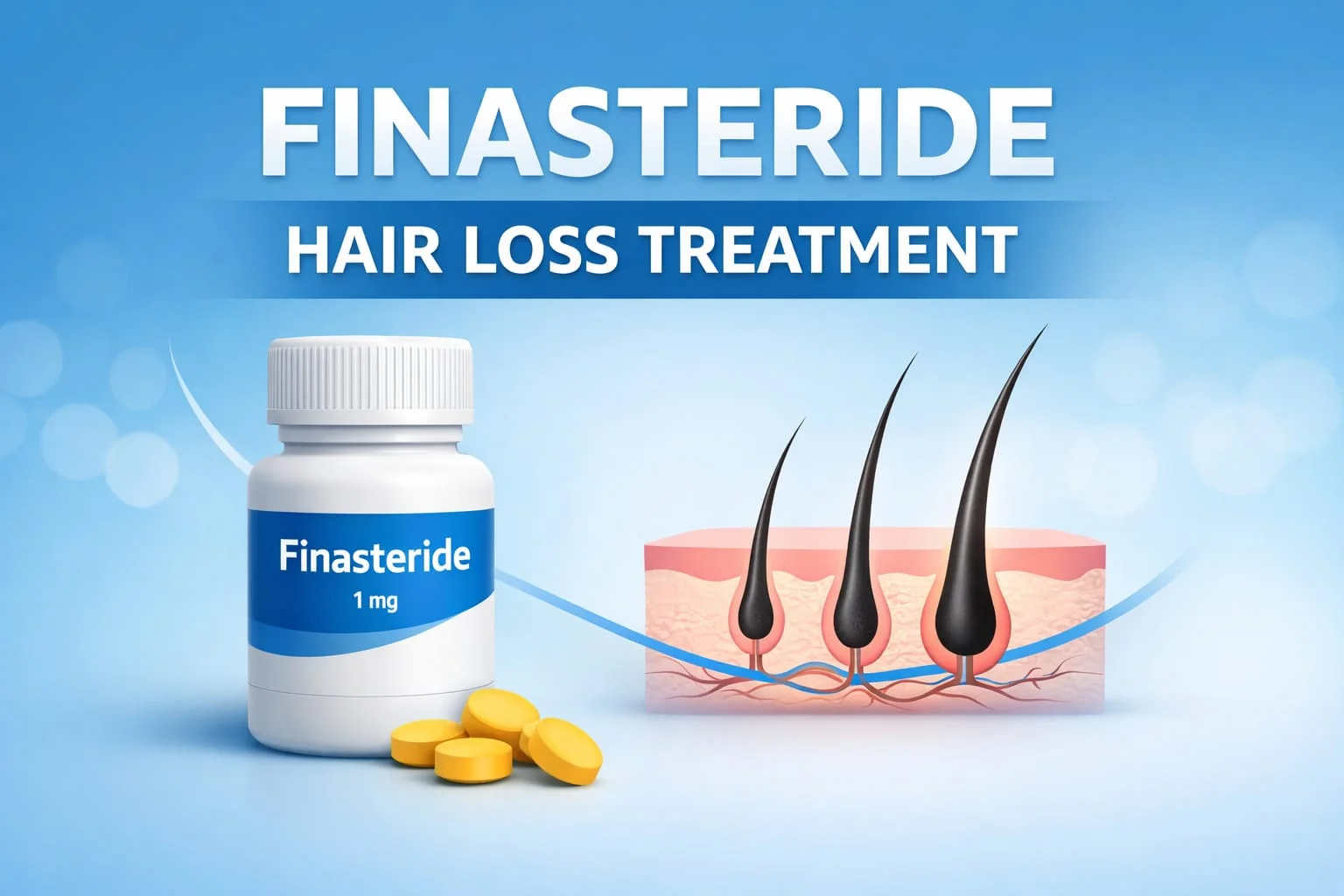
Oral 5-alpha-reductase inhibitors such as finasteride reduce DHT levels only while the medication is being taken. Clinical trial data referenced in FDA prescribing information shows that benefits accumulated during treatment are not retained indefinitely after discontinuation — DHT-related miniaturization can resume once the drug clears the body. Like topical minoxidil, this is a maintenance-type treatment rather than a permanent cure.
Procedural Treatments: PRP, Mesotherapy, and Similar Options
Regenerative and injection-based procedures (PRP, mesotherapy, exosome therapy) generally require a series of initial sessions followed by periodic maintenance visits to sustain results. Evidence for how long benefits last without maintenance is still developing, and most clinical protocols assume ongoing sessions rather than a single permanent treatment.
Hair Transplant: The Most Durable Option, With Caveats
A hair transplant relocates follicles that are typically more resistant to DHT (often from the donor area at the back and sides) into thinning zones. Because these relocated follicles usually retain their original resistance, transplanted hair is generally the most durable result among current treatment options. However, "durable" is not the same as "permanent for the whole scalp": non-transplanted native hair can continue to thin if the underlying hair loss is progressive, which is why some transplant patients still use medical treatment afterward to protect remaining hair.
Why "Permanent" Depends on the Diagnosis, Not Just the Treatment
Permanence also depends on what is causing the hair loss in the first place. Temporary conditions (such as a stress-related shedding episode or a corrected nutritional deficiency) may not require any long-term treatment at all once the trigger resolves. Progressive conditions, most commonly androgenetic alopecia, are the main reason maintenance-style treatment is discussed so often — the underlying genetic tendency does not go away, even when a treatment is controlling its visible effects.
Comparing Maintenance Requirements
- Topical minoxidil — ongoing daily use required
- Oral finasteride/dutasteride — ongoing daily use required
- PRP/mesotherapy — periodic maintenance sessions required
- Hair transplant — transplanted hair is typically durable; native hair may still need separate management
Frequently Asked Questions
Which hair loss treatment lasts the longest without maintenance?
Among current options, hair transplant results are generally the most durable without ongoing maintenance, because relocated follicles usually keep their original resistance to miniaturization. This does not protect non-transplanted hair.
Is finasteride a permanent cure?
No. Finasteride works only while it is taken. It is considered a maintenance treatment for progressive androgenetic alopecia rather than a cure.
Do I need to combine treatments for a more lasting result?
Some people combine a transplant with ongoing medical treatment (such as finasteride or minoxidil) to protect native hair while benefiting from the more durable transplanted hair. This is a personal and medical decision made with a professional.
What happens to results if I stop a maintenance treatment?
See what happens if you stop hair loss treatment for a detailed timeline of what to expect after discontinuing topical or oral treatment.
Final Thoughts
"Permanent" is the wrong lens for most hair loss treatments. The more useful comparison is how much ongoing commitment each option requires: topical and oral treatments need continuous use, procedural treatments need periodic sessions, and hair transplants offer the most durable single-procedure result but do not eliminate the need to manage non-transplanted hair in progressive cases.
This content is for general informational purposes only and does not replace individualized medical advice, diagnosis, or treatment.