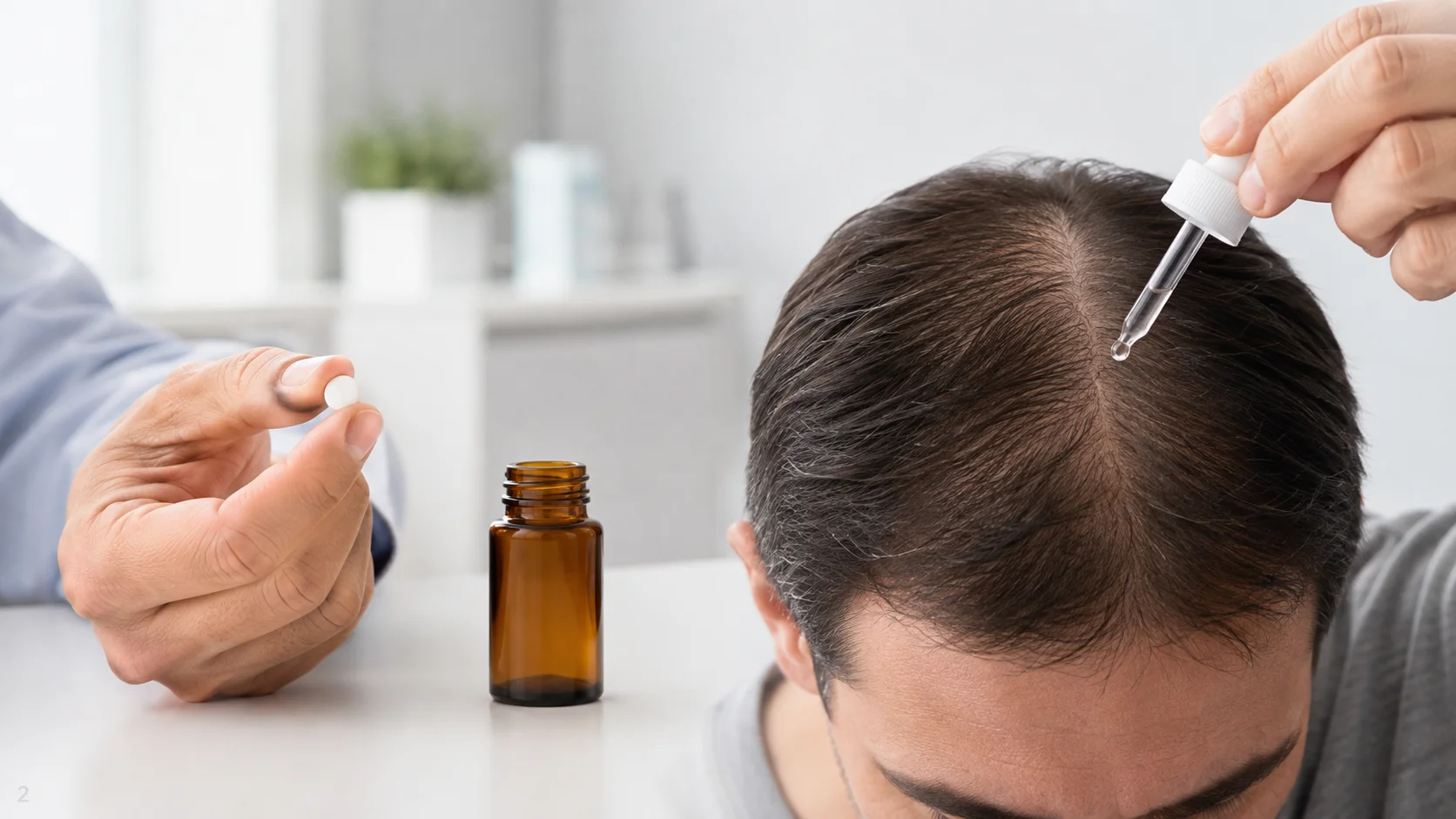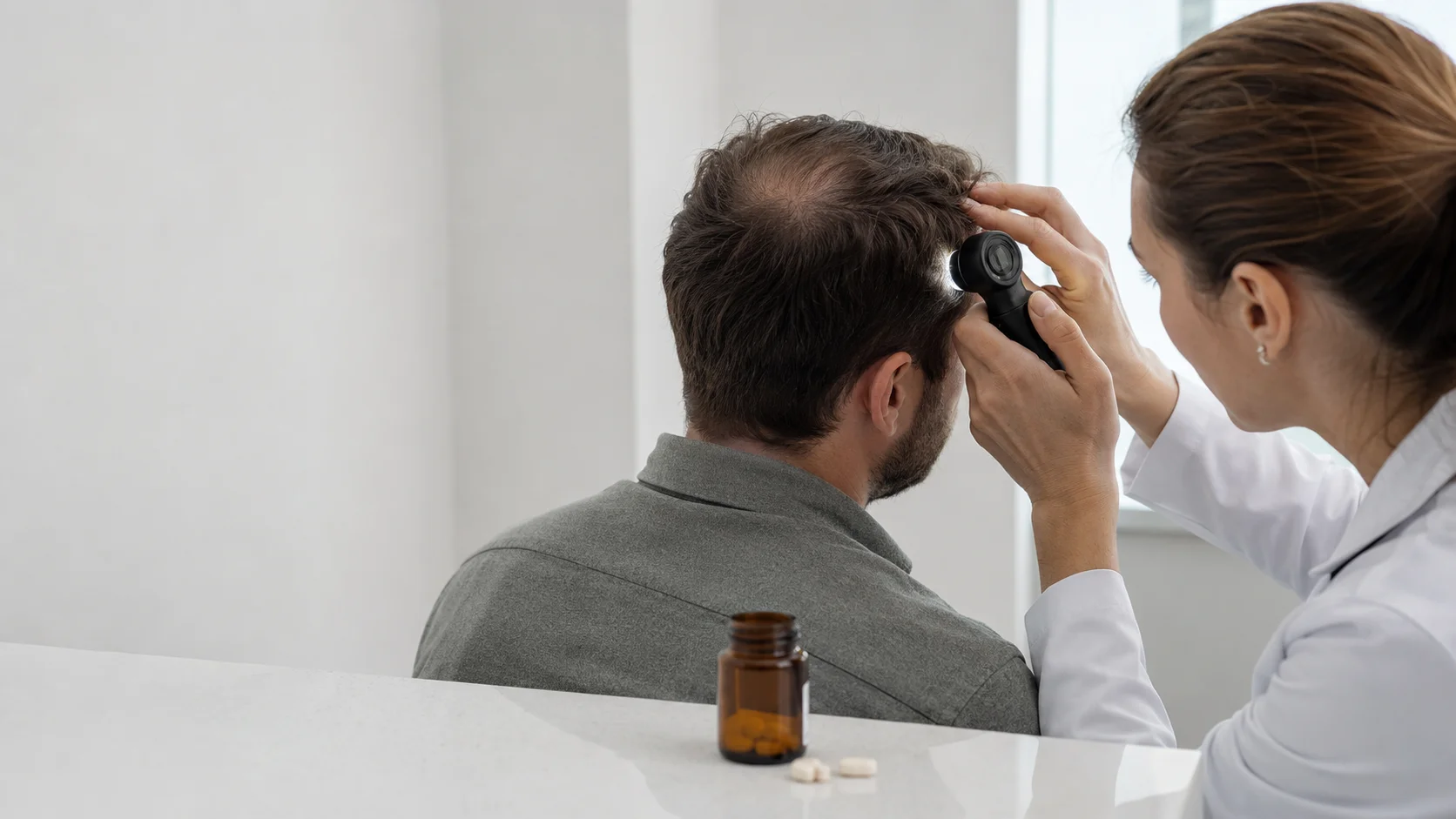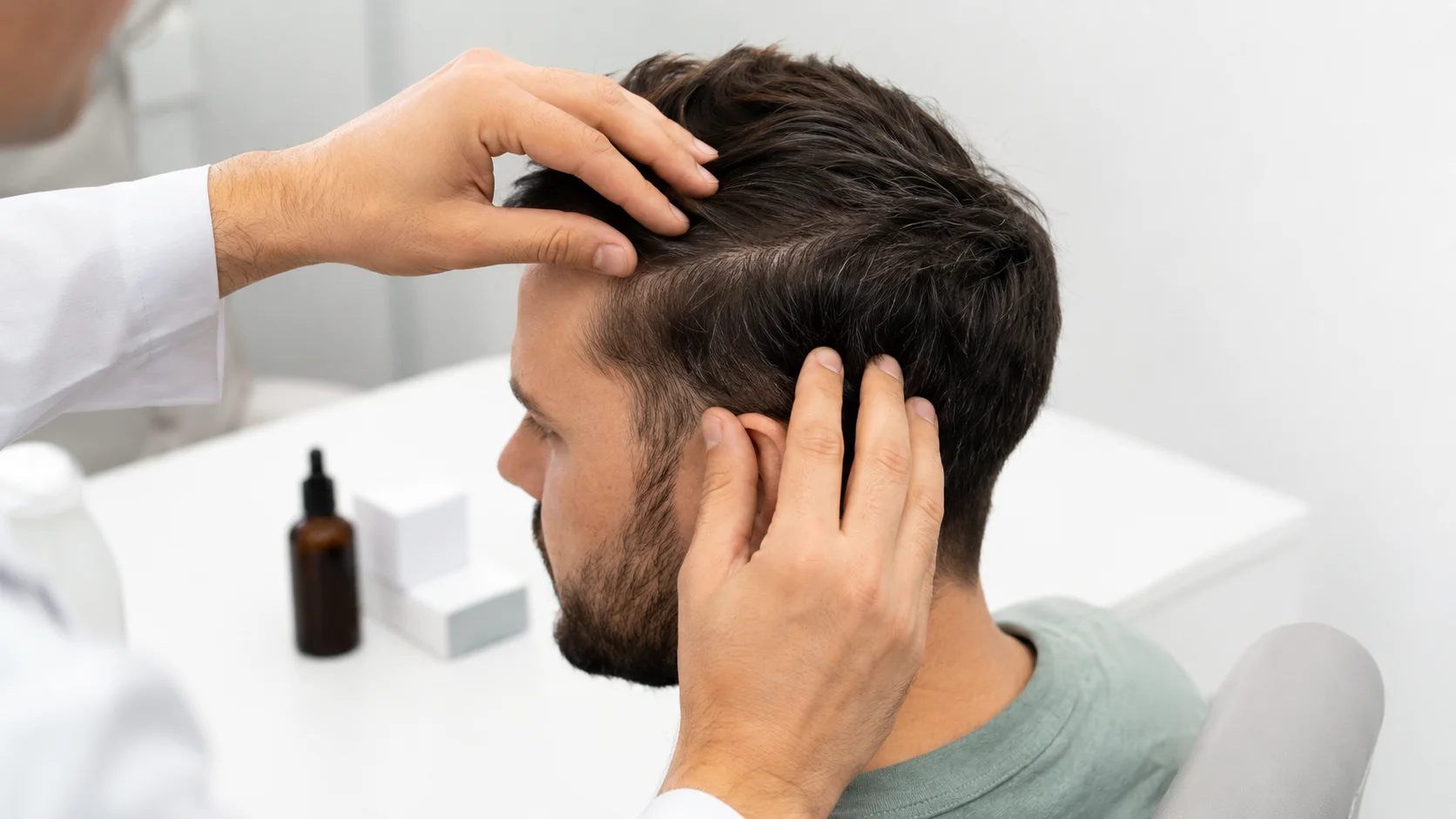
Many people start hair loss treatment hoping for a clear finish line. In reality, what happens after stopping treatment depends on the type of hair loss, the treatment used, how well it was working, and whether the underlying cause is still active.
If a treatment is controlling ongoing hair loss, stopping it may allow shedding or thinning to return over time. Hair that was maintained because of treatment may gradually be lost if the original condition continues. However, not every treatment needs to be used forever, especially when hair loss was temporary or linked to a correctable trigger.
Why Hair Loss Can Return After Stopping Treatment
Some forms of hair loss are progressive. This means the underlying process continues unless it is managed. In these cases, treatment may help slow thinning, support existing follicles, or improve density, but it does not necessarily remove the long-term tendency toward hair loss. For example, topical minoxidil supports the hair growth cycle only while it is applied, and oral finasteride reduces DHT only while it is taken — both are maintenance-type treatments, so their effects can fade once use stops.
When treatment is stopped, follicles may gradually return to the pattern they would have followed without support. This does not always happen immediately. The change may unfold over several months because hair grows and sheds in cycles.
For some people, the first sign is increased shedding. For others, the change is more subtle: the part line looks wider, the crown appears less dense, or the hairline slowly becomes thinner again.
Does Stopping Treatment Cause Sudden Hair Loss?
Stopping treatment does not usually make all hair fall out overnight. Hair cycles take time. However, some people may notice increased shedding within a few months, especially if the treatment was helping maintain hairs that were vulnerable to miniaturization or shedding.
The timing can vary. A person may see changes after several weeks, a few months, or longer. This depends on the treatment, the hair growth cycle, and the underlying diagnosis.
It is also important to separate treatment withdrawal from other causes of shedding. Stress, illness, nutritional issues, hormonal shifts, medication changes, scalp conditions, and seasonal shedding can all affect hair at the same time.
What About Hair Regained During Treatment?
Hair that improves during treatment may depend partly on continued use. If the treatment is withdrawn and the underlying condition remains active, some of that improvement may gradually fade.
This does not mean the treatment failed. It may mean the treatment was working as a maintenance tool. Many long-term health and skin conditions are managed in a similar way: stopping the management plan can allow symptoms to return.
However, if a treatment was not helping, caused side effects, or no longer fits a person’s goals, it may be reasonable to reconsider it. The best approach is to make changes deliberately rather than stopping suddenly without a plan.
How to Stop or Change Treatment Safely
If you are thinking about stopping treatment, it can help to review a few questions with a qualified professional:
- What type of hair loss is being treated?
- Was the treatment clearly helping?
- Are there side effects or practical reasons for stopping?
- Is there an alternative treatment or lower-maintenance plan?
- Should progress be monitored with photos or follow-up visits?
In some cases, a professional may suggest tapering, switching treatments, combining approaches, or monitoring for several months. The right plan depends on the treatment and the individual.
Frequently Asked Questions
Will all my hair fall out if I stop treatment?
Usually no. Stopping treatment does not typically cause immediate total hair loss. However, if treatment was controlling progressive hair loss, thinning may gradually return over time.
Can I take a break from hair loss treatment?
Sometimes, but it depends on the treatment and diagnosis. A short break may have different implications than stopping long term. It is best to discuss this before changing your plan.
If shedding returns, can I restart treatment?
In some cases, restarting may help, but the response can vary. Waiting too long may make recovery harder if follicles have continued to miniaturize or if another condition is involved.
Does stopping treatment mean the treatment was only temporary?
Not necessarily. Some treatments work only while they are being used because they manage an ongoing process. That does not make them ineffective; it means maintenance may be part of the treatment strategy.
If you are weighing how permanent different treatment types are in the first place (topical vs. oral vs. procedural vs. transplant), see are hair loss treatments permanent?
Final Thoughts
Stopping hair loss treatment can lead to renewed shedding or gradual thinning if the underlying cause is still active. The effect is usually not immediate, but it can become noticeable over time.
Before stopping, it is useful to understand what condition is being treated, what progress has been made, and what alternatives may exist. A planned change is usually safer than guessing.
This content is for general informational purposes only and does not replace individualized medical advice, diagnosis, or treatment.