1. Does Hair Dye Cause Hair Loss?
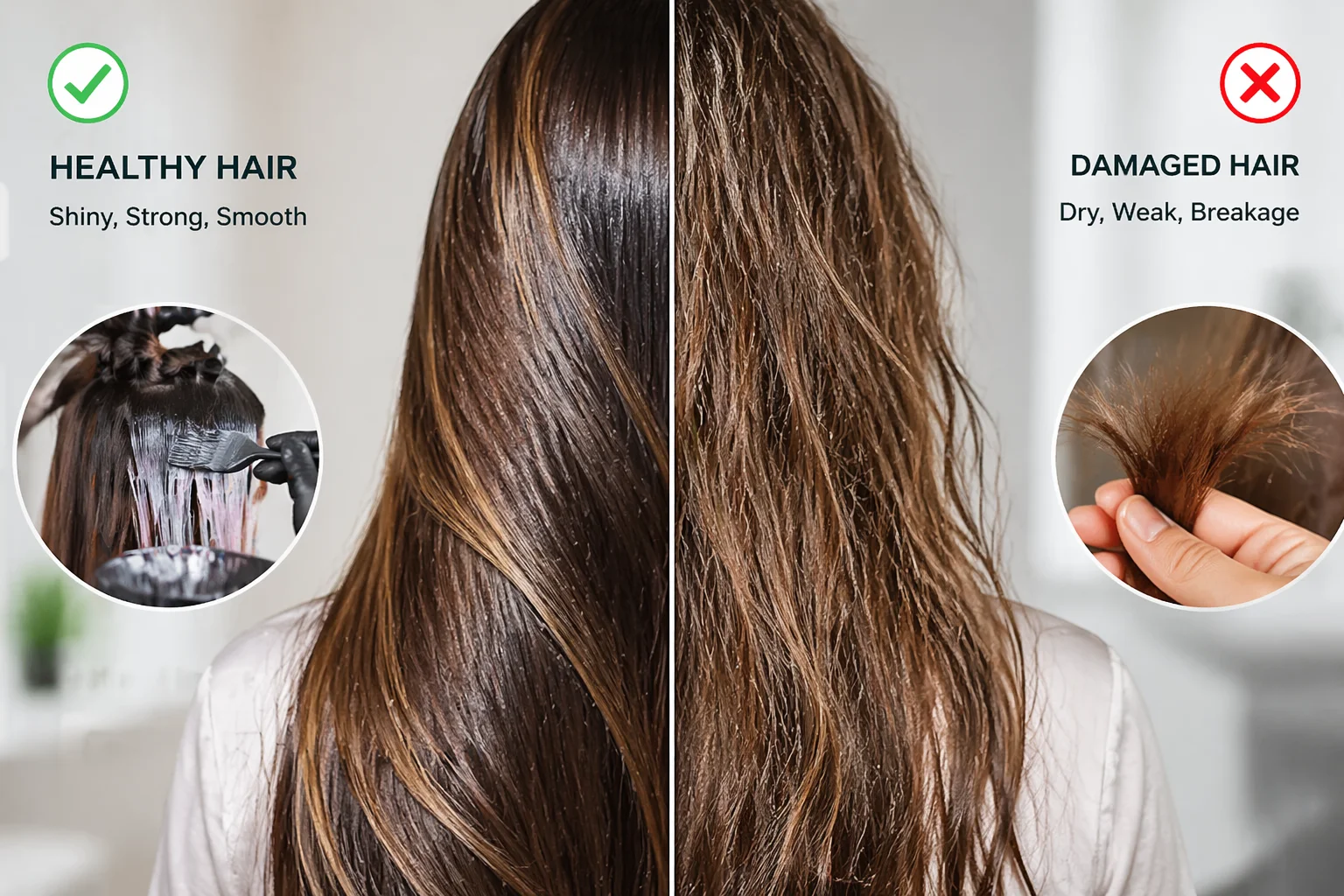
Dyeing your hair does not typically cause hair loss such as androgenetic alopecia (male-pattern baldness). However, dyeing the hair continuously can lead to weakening, thinning, and damage of the hair, as well as weakening of the scalp and increased hair breakage.
The main problem that should be focused on is not color, but the chemicals in hair dye that can cause hair weakening, thinning, and scalp problems.
If you use hair dye for a very long time, you may notice dryness in your hair. When the hair dries out, it becomes more sensitive and lifeless, which leads to the brittle hair and increases the possibility of thinning and hair shedding.
Furthermore, you may experience allergic reactions to the chemicals found in hair dyes, or develop dermatitis. Dermatitis can cause symptoms such as redness, itching, and inflammation.
2. The Main Substances Of Hair Dyes
Hair dye may seem like a relatively simple process — but is it really that harmless?
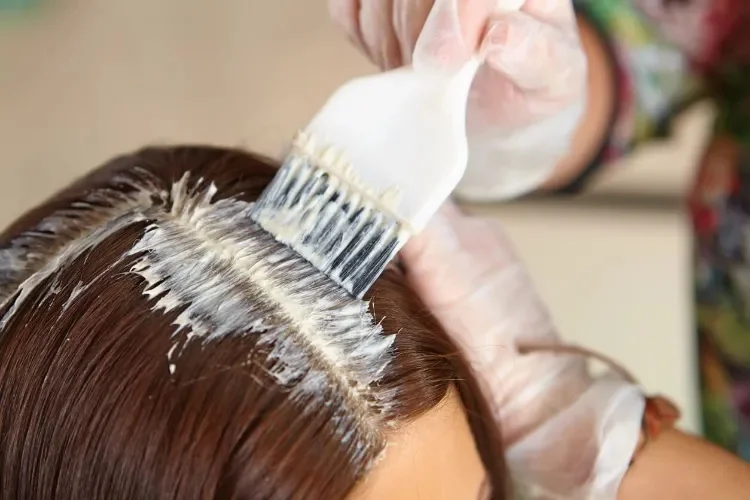
Hair dyes are mixtures that consist of chemical substances, designed to remain in your hair for a certain time, after changing your hair color.
While hair dyes can deliver impressive results on your appearance, they may also have negative effects on your hair health.
As with any product or service you use, it is important to carefully review the label and substances of the hair dye you apply — whether at home or in a hairdresser.
Here are the common chemicals found in hair dyes and their potential effects:
Ammonia: Why is ammonia used in hair dye?
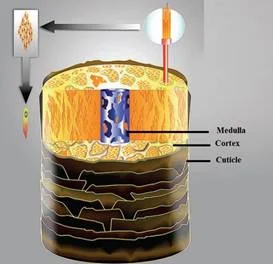
Ammonia has an alkaline structure and is used to increase the pH level of the hair during the dyeing process. This opens the cuticles of the hair strand and allows the color to settle deeply into the cortex (the inner part of the hair protected by cuticles). As a result, it changes the hair color effectively. This process also damages the hair’s natural moisture and protective layers, leading to dryness and brittleness. Ammonia can also cause scalp irritation and dermatitis.
Hydrogen Peroxide:
Hydrogen peroxide acts on the cuticle to reach the cortex, where the natural pigments are found. Hydrogen peroxide is an oxidizing agent. As a result, it breaks down pigments and leads to a series of chemical reactions that lighten the hair color or fade its current color.
However, hydrogen peroxide weakens the hair and leads to breakage.
Ethanolamine / Monoethanolamine:
Certain types of hair dyes claim to be less aggressive by replacing ammonia with ethanolamine or monoethanolamine. While they may be less harsh than ammonia, ethanolamine can still cause dryness and irritation on your scalp. Some studies even report that monoethanolamine may contribute to oxidative stress, which can lead to hair loss.
Paraphenylenediamine (PPD): Paraphenylenediamine is a strong coloring agent, and it is found in in higher amounts especially in darker shade hair dyes. In some cases, it may cause redness, itching, dermatitis, and swelling on the scalp —and all these conditions that can contribute to hair loss.
It wouldn’t be accurate to say this leads to such results for everyone; you may even not experience any issues at all, but you may experience similar problems even as rarely.
You can find a scientific publication discussing the harmful effects of hair dye chemicals here:
https://pmc.ncbi.nlm.nih.gov/articles/PMC9214764/
3. Does Hair Dye Cause Temporary or Permanent Hair Loss?
Hair dyes can generally cause temporary hair loss:
- Allergic reactions: Hair dyes containing PPD can cause itching, redness, and hair shedding on the scalp.
- Chemical damage: Chemicals in the hair dyes such as ammonia, PPD, and hydrogen peroxide, continuous and repeated hair dyeing leads to the thinning, breakage and then eventual shedding of the hair.
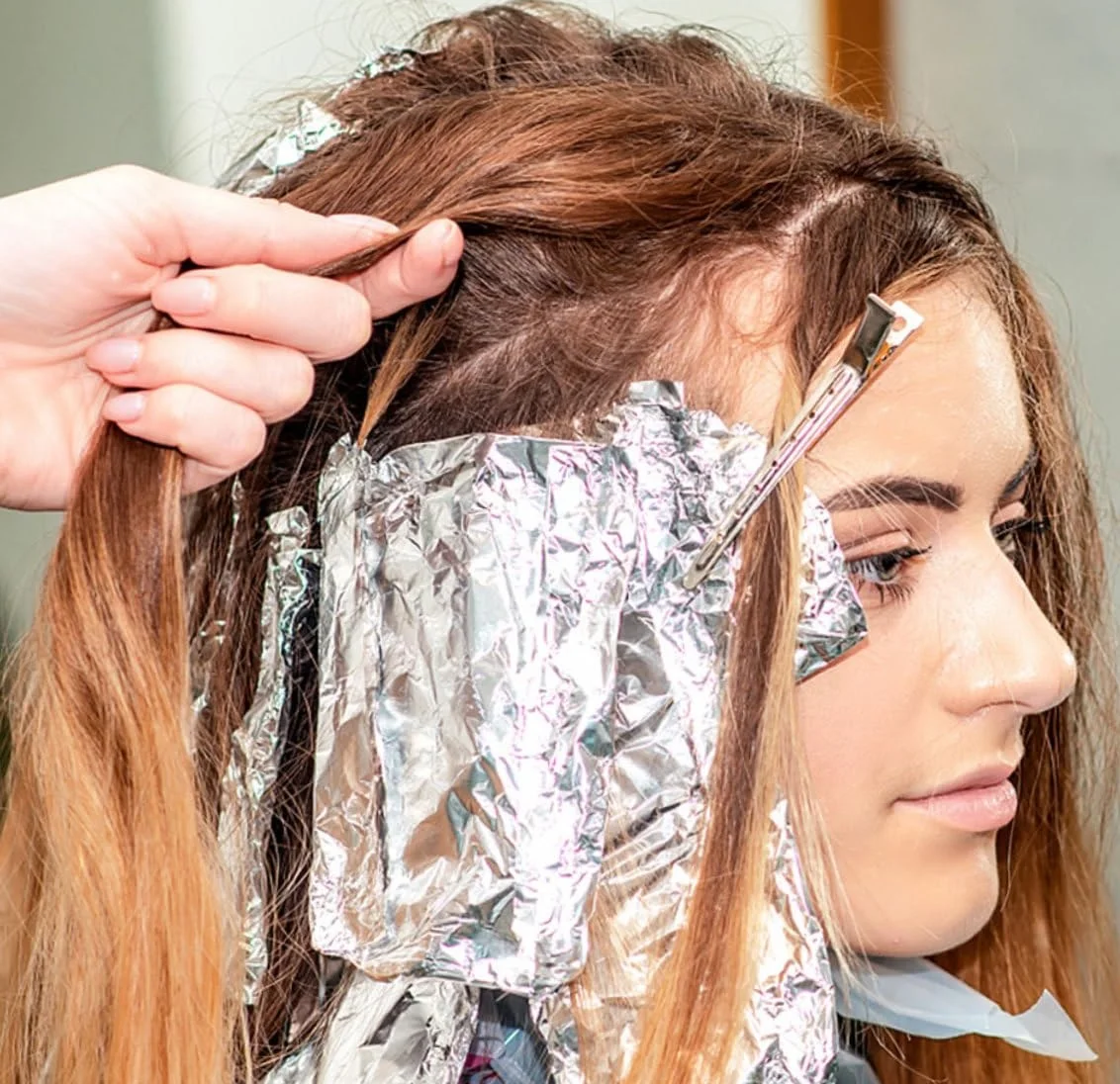
- Incorrect application: Leaving permanent dyes on the hair for too long or using excessive usage oxidants or chemicals can thin the hair strands.
- Scientific studies show that hair dyes do not cause permanent hair loss. However, continuous misuse or harsh products can weaken the hair, making it appear as though hair loss is occurring.
4. How to Dye Your Hair Without Experiencing Hair Loss
It is possible to dye your hair safely without damaging it, thinning it, or exposing it to
harmful chemical reactions.
Here is what to do to safely dye your hair:
A. Choose the right hair dye: Start by choosing dyes that do not contain harmful
chemicals. If you are visiting a hair salon, ask your hairdresser to check the product
label. Choose natural or plant-based products without ammonia.
B. Leave time between dyeing sessions:
Give your hair time to breathe between sessions. Dyeing continuously—especially
with permanent dyes or bleach—can weaken your hair. Wait minimum eight weeks, or if possible 10 weeks or more, between sessions.
Dyeing your hair continuously without allowing any recovery time between sessions can make your hair brittle and thin. Give your hair time to recover and add some waiting time between the dyeing sessions. A period of 6–8 weeks between the sessions is a good, but 10 weeks would be even better.
C. Choose softer dyes: Choose hair dyes without ammonia, and if possible, please avoid permanent hair dyes. It will be much healthier for your hair to avoid hair dyes containing hydrogen peroxide and PPD.
· D. Perform a patch test first: Before applying the hair dye to your entire scalp, you can test it on a small area to see, if there is an allergic reaction. Do not use the product, if you experience redness, swelling, or itching.
· E. Protect your hair beforehand: Do not dye your hair when it is very dry or wet. You can apply natural oil to protect your scalp or you can use a hair conditioner.
· F. Care after dyeing the hair: After finishing the dyeing process, apply hair conditioner or nourishing hair masks in a way that they have a deep effect in the hair to reduce damage.
· G. Avoid heat after dyeing: Do not expose your hair to high heat (blow dryers, hair straighteners, hair styling tools) right after dyeing, as this can increase damage.
5. What Should You Do If You Experience Thinning, Breakage, or Hair Loss After Dyeing?
You dyed your hair and now.... it feels thinner. Do not panic—your hair
follicles have not disappeared permanently.
If your new hair color started to fall out unexpectedly after dyeing, here’s what you
should do.
Your hair has been dyed, but it now feels thinner and more fragile. There is no need
to worry—you can make your hair alive again.
If you are experiencing shedding of the hair dyed recently, here is what you need to do:
1. Take A Break From Dyeing Hair
Firstly, stop dyeing your hair to prevent your hair from further chemical exposure. Your hair needs time to recover.
2. Focus On The Hair Care
You need to protect your scalp first. Start quickly by using sulfate-free shampoos and apply hair serums, biotin vitamins to support hair health
3. Start Hair-strengthening Treatments
Use products containing biotin and multivitamins to strengthen hair, reduce brittleness, and prevent thinning. Although they may not show immediate effects, your hair will gradually become stronger over time.
4. Consult A Doctor
If hair loss continues and does not improve with current supplements, treatments such as PRP, Regenera, or exosome therapy may be considered. However, this decision should always be made in consultation with a doctor.
Conclusion: Dyeing Carefully and Healthy Hair
The best way to protect yourself from all the side effects we mentioned regarding hair dyes is through informed product choosing and proper hair care.
In summary:
·
- Hair dyes cause weakening, thinning, and breakage of the hair—but not permanent hair loss.
- Many dyes contain chemicals such as ammonia, hydrogen peroxide, and PPD—avoid using these.
- If you cannot stop dyeing your hair, choose more natural alternatives, maintain a proper hair care routine, and take some supplements for your hair.
If you continue to experience issues despite these precautions, please consult a doctor.
Frequently Asked Questions (FAQ)
Does hair dye damage hair?
If the dye is not plant-based and contains chemicals like ammonia and hydrogen peroxide, it can weaken the hair, cause breakage, and lead to scalp irritation and damage.
Can hair dye cause allergic reactions?
Yes, it can. Some people who use dyes containing PPD (paraphenylenediamine) may experience redness, itching, rashes, and even hair loss. If you are trying a new dye for the first time, it’s best to test it on a small area before applying it to your entire hair.
Do hair dyes cause permanent hair loss?
No, hair dyes do not directly cause permanent hair loss. However, they can lead to breakage, thinning, and hair fiber damage, which may create the appearance of shedding.
Do ammonia-free dyes cause hair loss?
We can say that ammonia-free dyes are generally less harmful, but frequent and prolonged use can still weaken the hair over time.
Other reported triggers include Ozempic and hair loss.