Trichotillomania, also called hair-pulling disorder, involves recurrent pulling of one’s own hair and repeated difficulty reducing or stopping the behavior. It can affect children, adolescents, and adults. Scalp hair is commonly involved, but people may pull from the eyebrows, eyelashes, beard, or other body areas.
This condition is not simply a bad habit or a failure of self-control. It is classified among obsessive-compulsive and related disorders and can cause considerable distress, secrecy, shame, and disruption to daily life. Compassionate assessment is more productive than criticism or punishment.
Why Trichotillomania Develops
There is no single established cause. Trichotillomania appears to reflect a combination of biological vulnerability, learned behavioral patterns, sensory reinforcement, emotional factors, and environmental cues.
Some pulling is focused. The person recognizes an urge, tension, uncomfortable sensation, or desire to remove a hair that feels different. Pulling may bring temporary relief, satisfaction, or a sense of completion.
Other episodes are automatic. Hair may be pulled with limited awareness while reading, studying, watching television, using a phone, or lying in bed. Many people experience both focused and automatic pulling.
Stress, boredom, anxiety, fatigue, and sensory discomfort may increase the behavior, but trichotillomania is not always driven by emotional distress. The sensations associated with touching, selecting, or pulling a hair can themselves maintain the cycle.
Signs and Symptoms
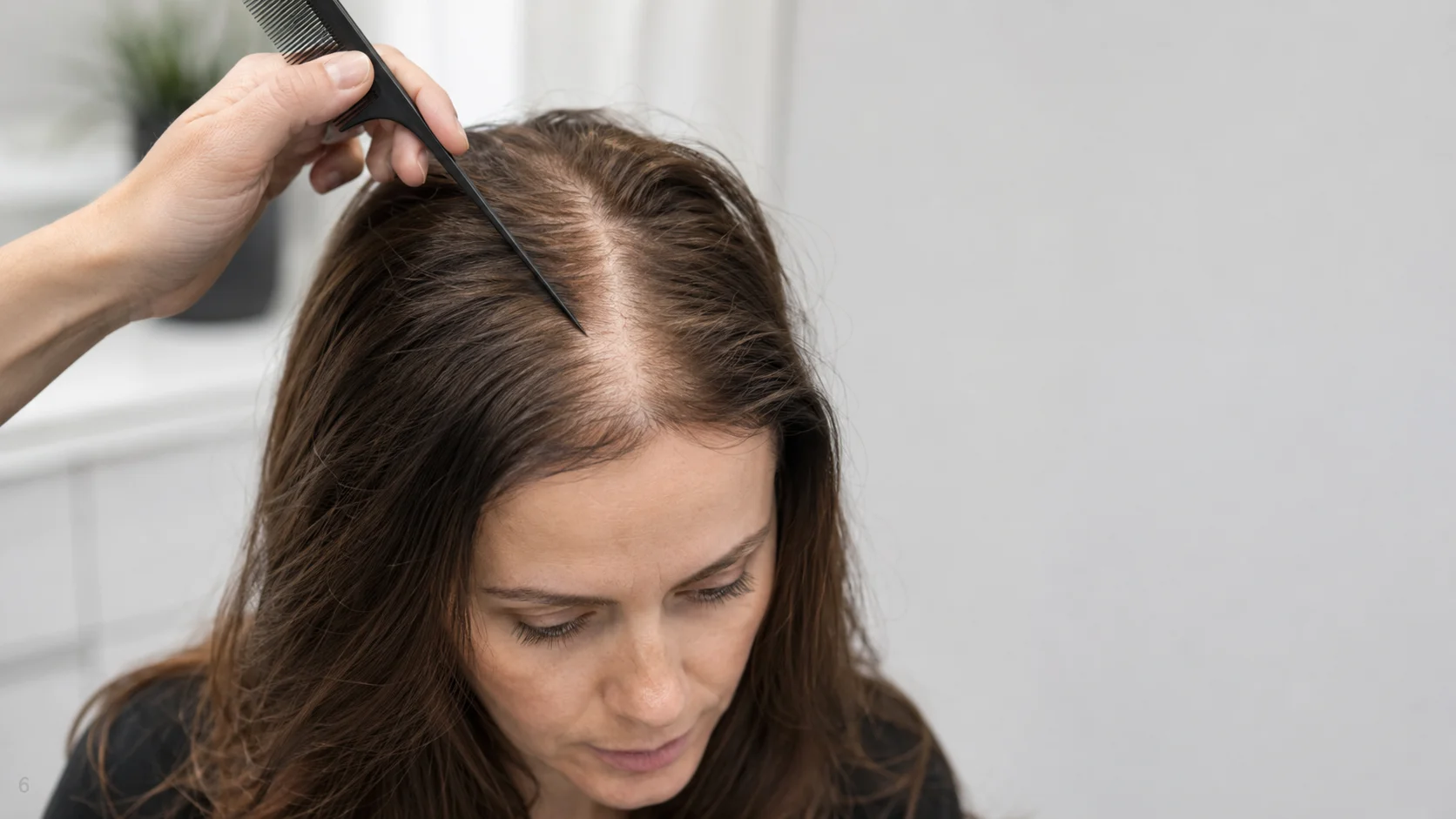
Hair loss usually appears irregular rather than following the symmetrical pattern associated with androgenetic alopecia. Affected areas often contain hairs of many different lengths because strands have been broken or removed at different times.
Possible signs include:
- Patchy or uneven hair loss
- Short, broken, or coiled hairs
- Repeated touching, twisting, selecting, or pulling
- An increasing urge before pulling
- Temporary relief or satisfaction afterward
- Attempts to conceal loss with hairstyles, cosmetics, or clothing
- Avoidance of social, medical, or grooming situations
- Skin irritation caused by repeated manipulation
The scalp often retains its follicular openings because the condition is usually nonscarring. However, prolonged and repeated trauma can occasionally damage follicles and reduce the likelihood of complete regrowth.
Some people examine, bite, chew, or swallow pulled hairs. Swallowing hair requires medical attention because accumulated hair can form a mass in the digestive tract and cause serious complications.
How Trichotillomania Is Diagnosed
Diagnosis relies on a careful clinical and behavioral history. The central features are recurrent pulling that causes hair loss, repeated attempts to reduce or stop, and clinically meaningful distress or impairment.
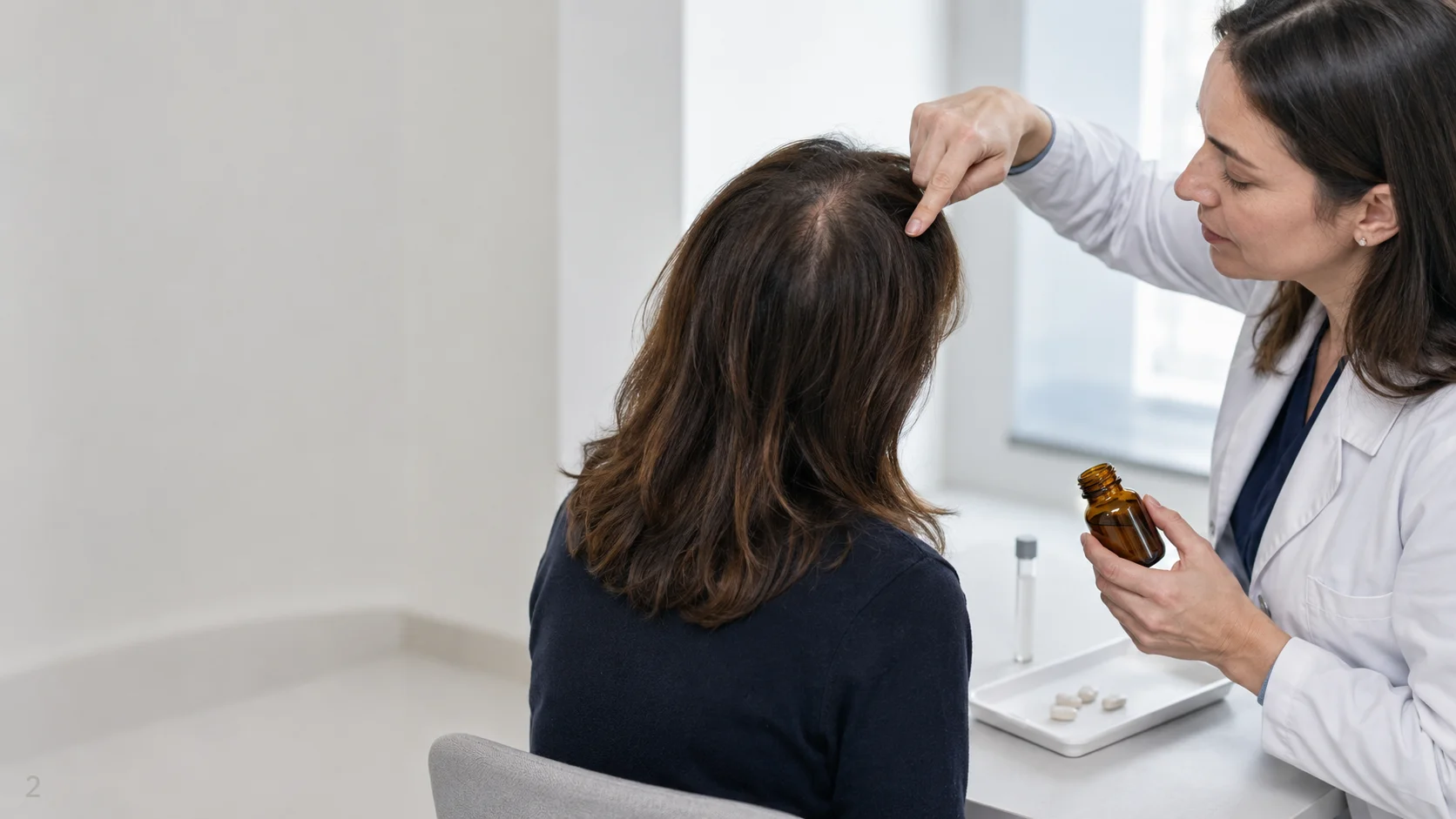
A healthcare professional may ask about pulling locations, urges, triggers, routines, awareness, concealment, hair ingestion, and previous attempts to stop. The goal should be to understand the pattern, not to interrogate or shame the person.
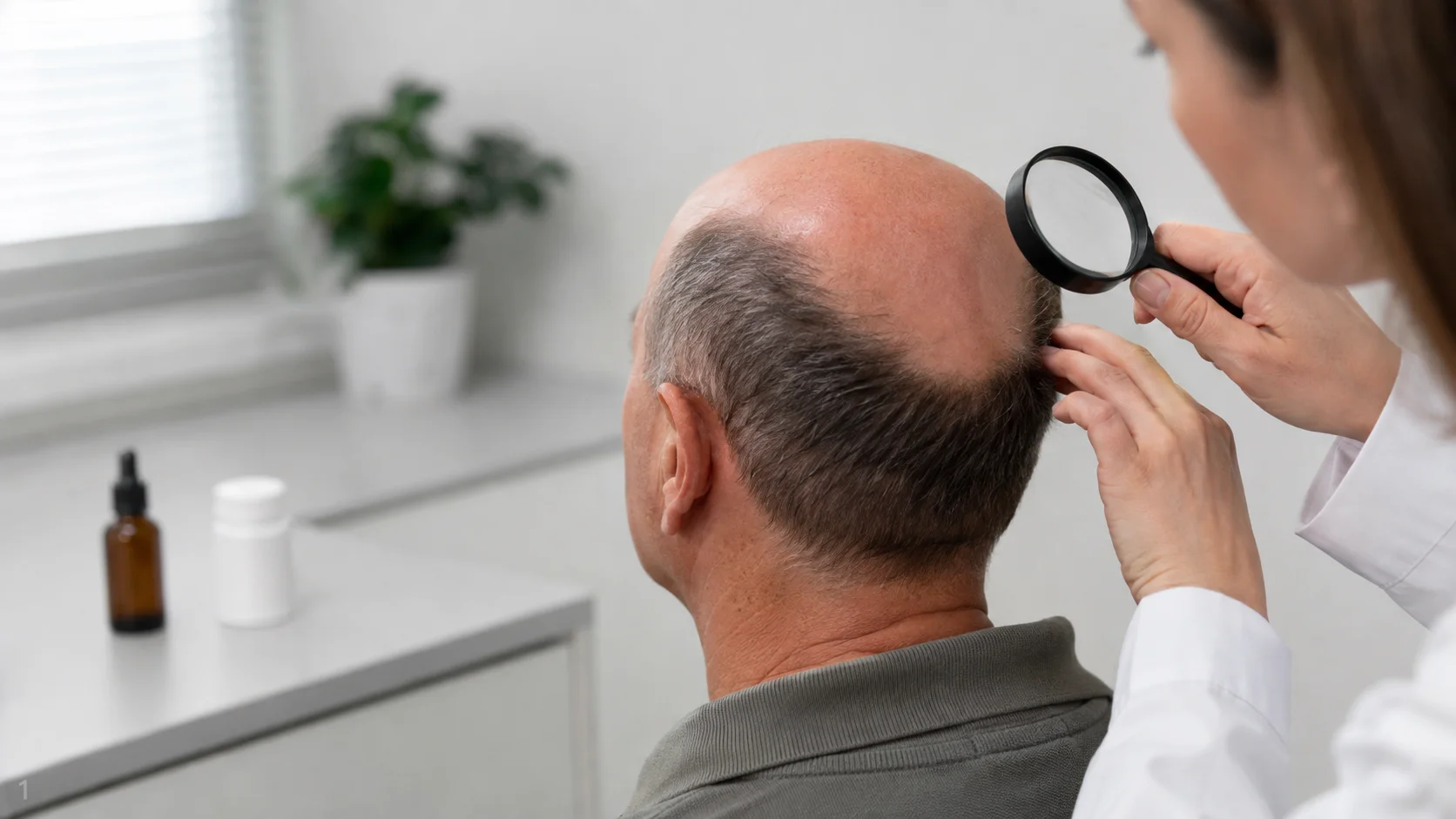
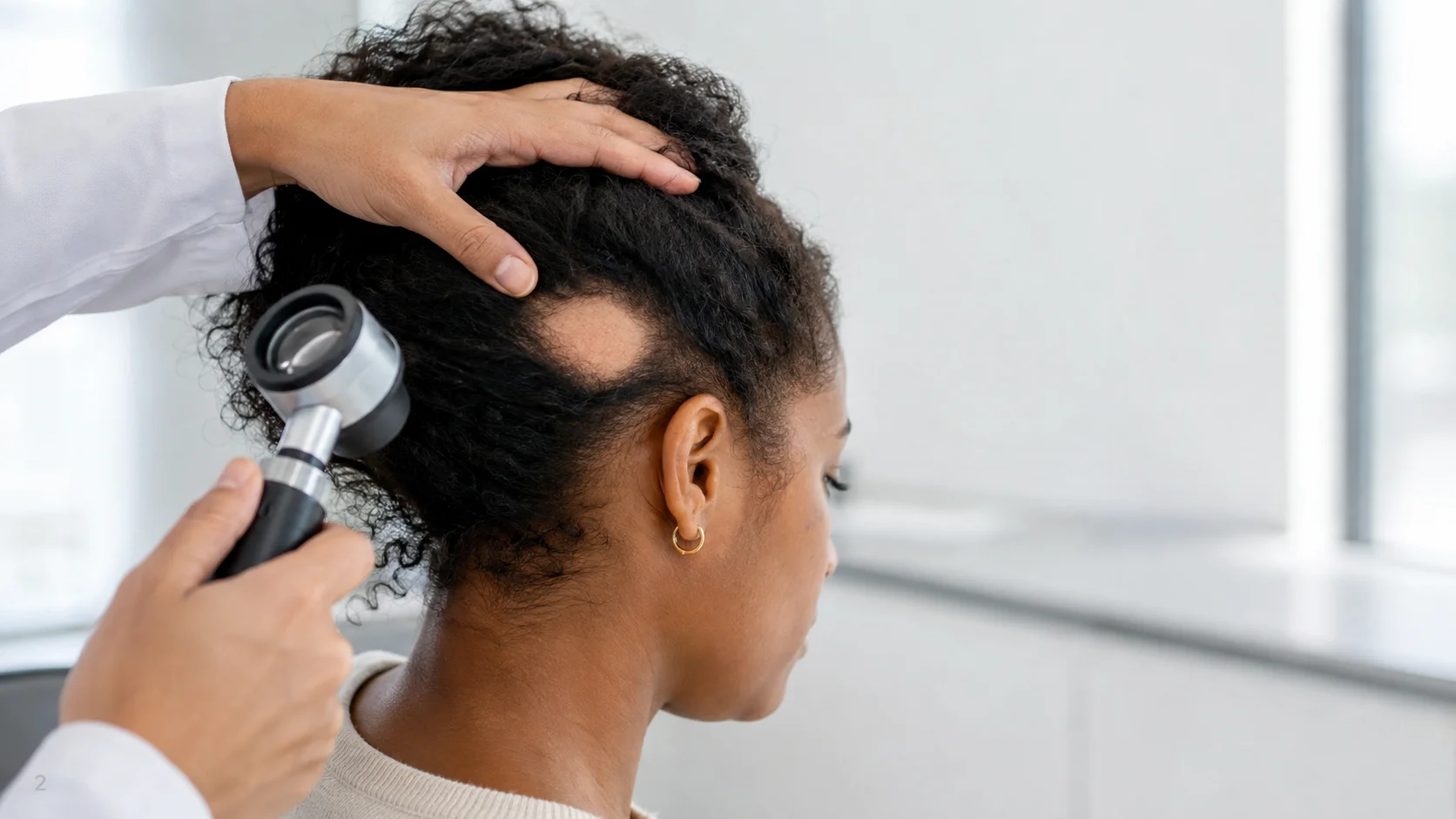
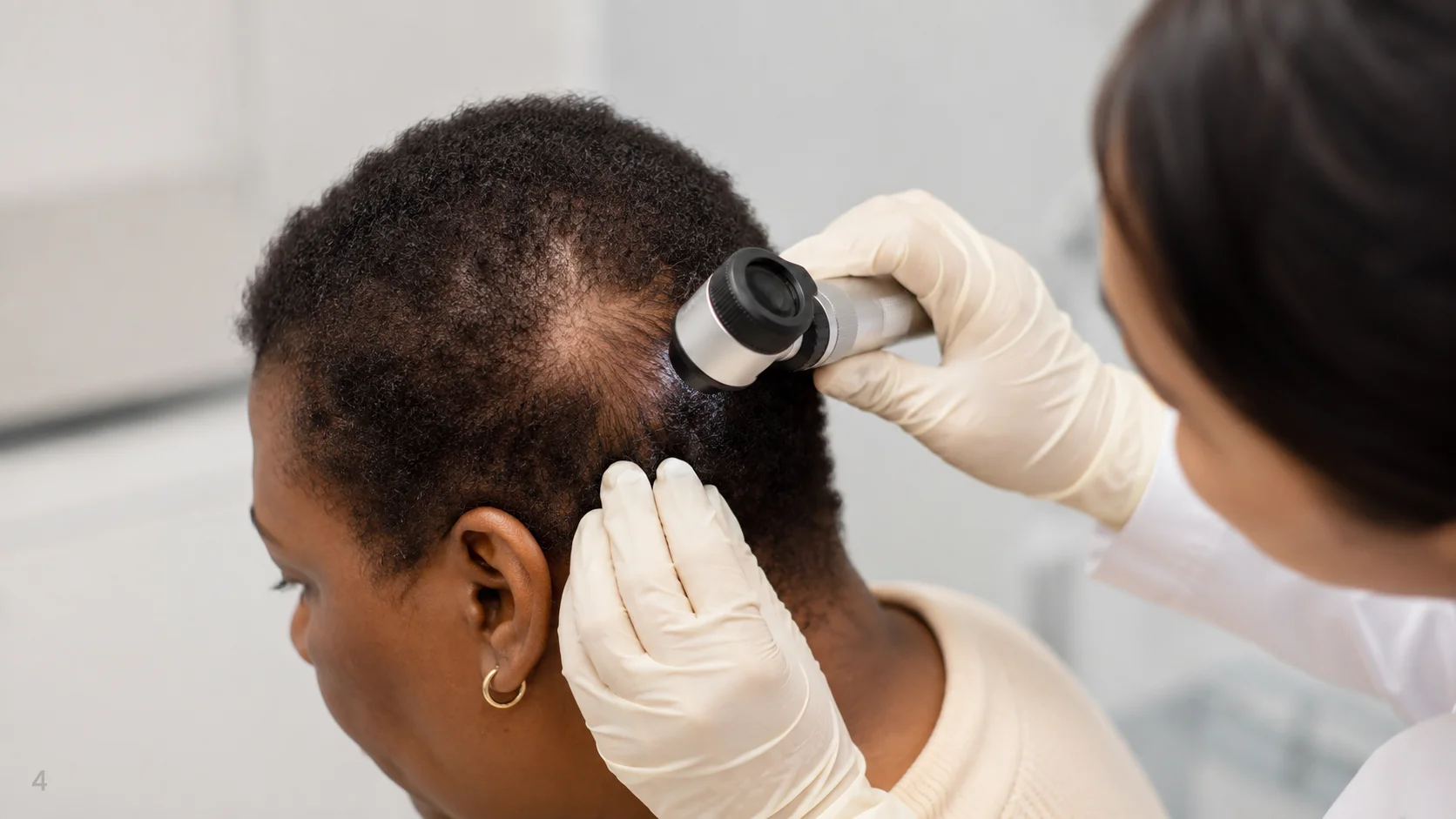
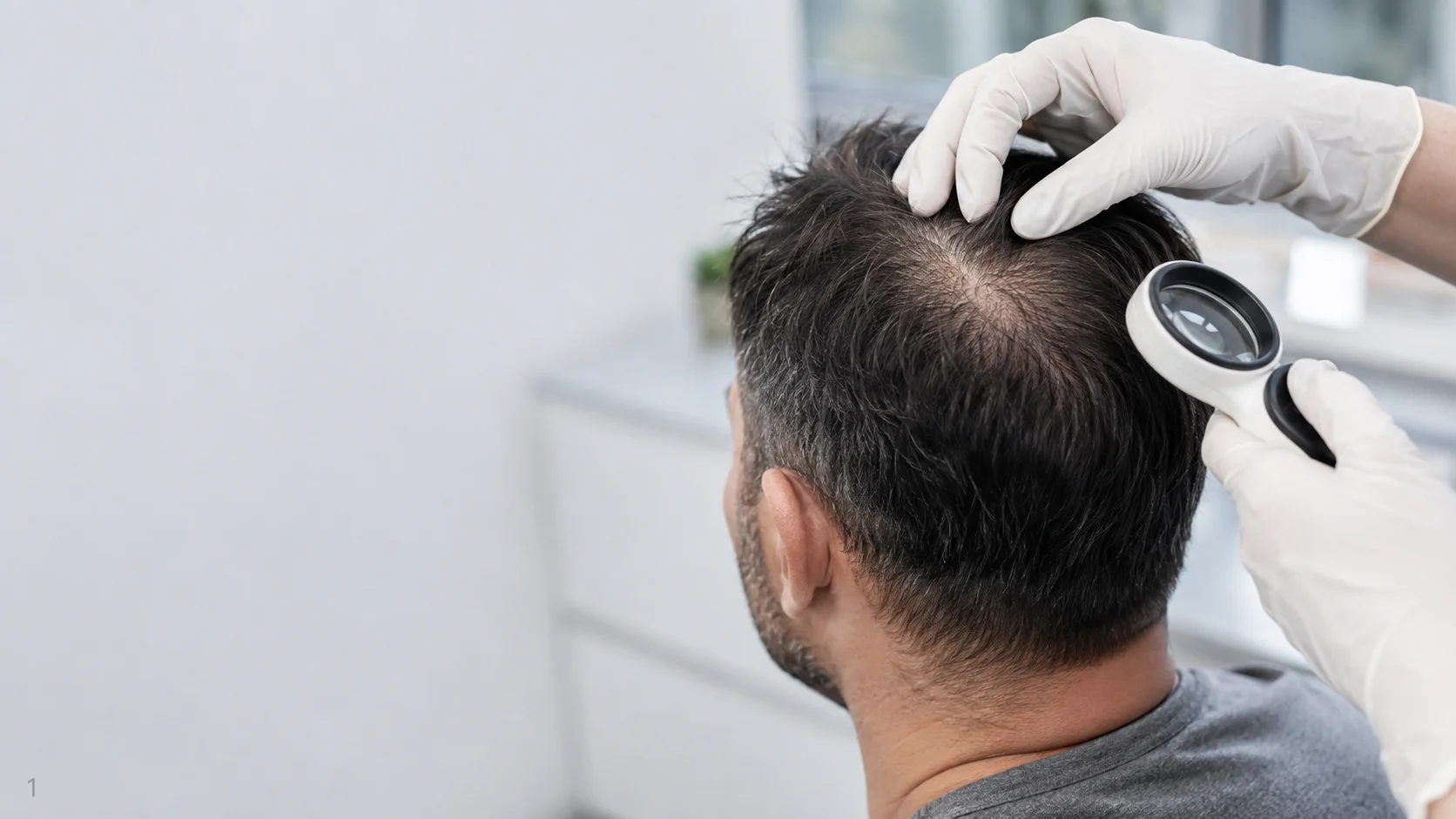
Scalp examination and dermoscopy can identify broken hairs of varying lengths, black dots, coiled hairs, and other evidence of repeated mechanical damage.
Testing is used when another cause remains possible. Fungal studies may be appropriate when scale or infection is suspected. A scalp biopsy is occasionally needed for an uncertain presentation, but it is not required in every case.
Distinguishing It From Other Hair Disorders
Alopecia areata commonly produces smooth, well-defined patches and may include characteristic tapered hairs or nail changes. Fungal infection can cause scaling, inflammation, itching, and fragile hairs. Traction alopecia tends to match the areas placed under repeated tension.
Inflammatory scarring disorders may cause redness, scale, pain, pustules, or loss of follicular openings. These require prompt evaluation because delaying treatment can permit irreversible damage.
Trichotillomania can also coexist with another hair disorder. A person might begin touching or pulling hair after becoming concerned about shedding, texture changes, or scalp symptoms.
Evidence-Based Treatment
Treatment is tailored to age, awareness of pulling, severity, triggers, coexisting mental health concerns, and family circumstances. Hair-focused cosmetic treatment alone does not address the behavior maintaining the loss.
Habit Reversal Training
Habit reversal training is a leading behavioral treatment. It is usually delivered as part of cognitive behavioral therapy and adapted to the person’s pulling pattern.
Core elements may include:
- Awareness training to recognize early movements, urges, and settings
- Self-monitoring to identify patterns without judgment
- Competing responses that make pulling difficult for a short period
- Changes to environmental and sensory triggers
- Social support and reinforcement of progress
A competing response might involve gently clenching the hands, holding an object, or placing the hands in a position incompatible with pulling. The strategy should be practical, discreet, and matched to the situation.
Stimulus Control
Stimulus control changes the environment associated with pulling. Examples include altering seating positions, covering frequently touched areas, keeping hands occupied, changing grooming routines, or placing reminder cues in high-risk settings.
These measures work best as part of a structured plan. Simply blocking access to hair without addressing urges and triggers may not produce lasting change.
Broader Psychological Support
Acceptance-based methods, mindfulness skills, emotional regulation work, and treatment for coexisting anxiety, depression, or obsessive-compulsive symptoms may be incorporated when appropriate.
For children, caregiver involvement should be supportive and developmentally appropriate. Punishment, repeated public reminders, and visible disappointment can increase distress without improving control.
Medication
No medication is universally effective for trichotillomania, and behavioral treatment generally has the strongest support. Selected medicines may be considered by a qualified clinician when behavioral therapy is unavailable, insufficient, or when another condition also requires treatment.
Medication decisions should include a review of age, other health conditions, adverse effects, interactions, and the limited or mixed evidence for some options. Supplements should not be assumed safe or effective simply because they are available without a prescription.
Will the Hair Grow Back?
Hair often regrows when pulling stops and follicles remain intact. Early regrowth may be fine or uneven because hairs restart at different times.
Repeated trauma over a long period can lead to permanent follicular injury in some areas. Redness, pain, scale, or smooth shiny skin without visible openings should be assessed rather than attributed automatically to pulling.
Cosmetic camouflage may improve confidence while regrowth occurs. It does not treat the behavioral condition, but it can be used alongside therapy without undermining recovery.
Frequently Asked Questions
Is trichotillomania intentional?
The physical act may be conscious during some episodes, but the disorder is not a simple voluntary choice. Urges, automatic behavior, sensory reinforcement, and difficulty stopping are central features.
Can someone pull hair without realizing it?
Yes. Automatic pulling can occur during passive or concentrated activities with little immediate awareness.
Should family members tell the person to stop?
Constant reminders and criticism often increase shame. A therapist can help families agree on neutral cues and supportive responses.
Is shaving the hair a cure?
No. It may temporarily change access to the hair, but it does not address urges, triggers, or the established behavioral cycle.
When is urgent medical evaluation needed?
Prompt assessment is important if hair has been swallowed, especially when abdominal pain, vomiting, reduced appetite, constipation, or a palpable abdominal mass develops.
Recovery Is a Process
Improvement may involve fewer episodes, greater awareness, faster interruption of pulling, reduced damage, and renewed participation in avoided activities. Lapses do not erase progress. A structured, nonjudgmental plan can help the person understand the behavior and build more effective responses over time.
This content is for general informational purposes and does not replace individualized medical advice, diagnosis, or treatment.