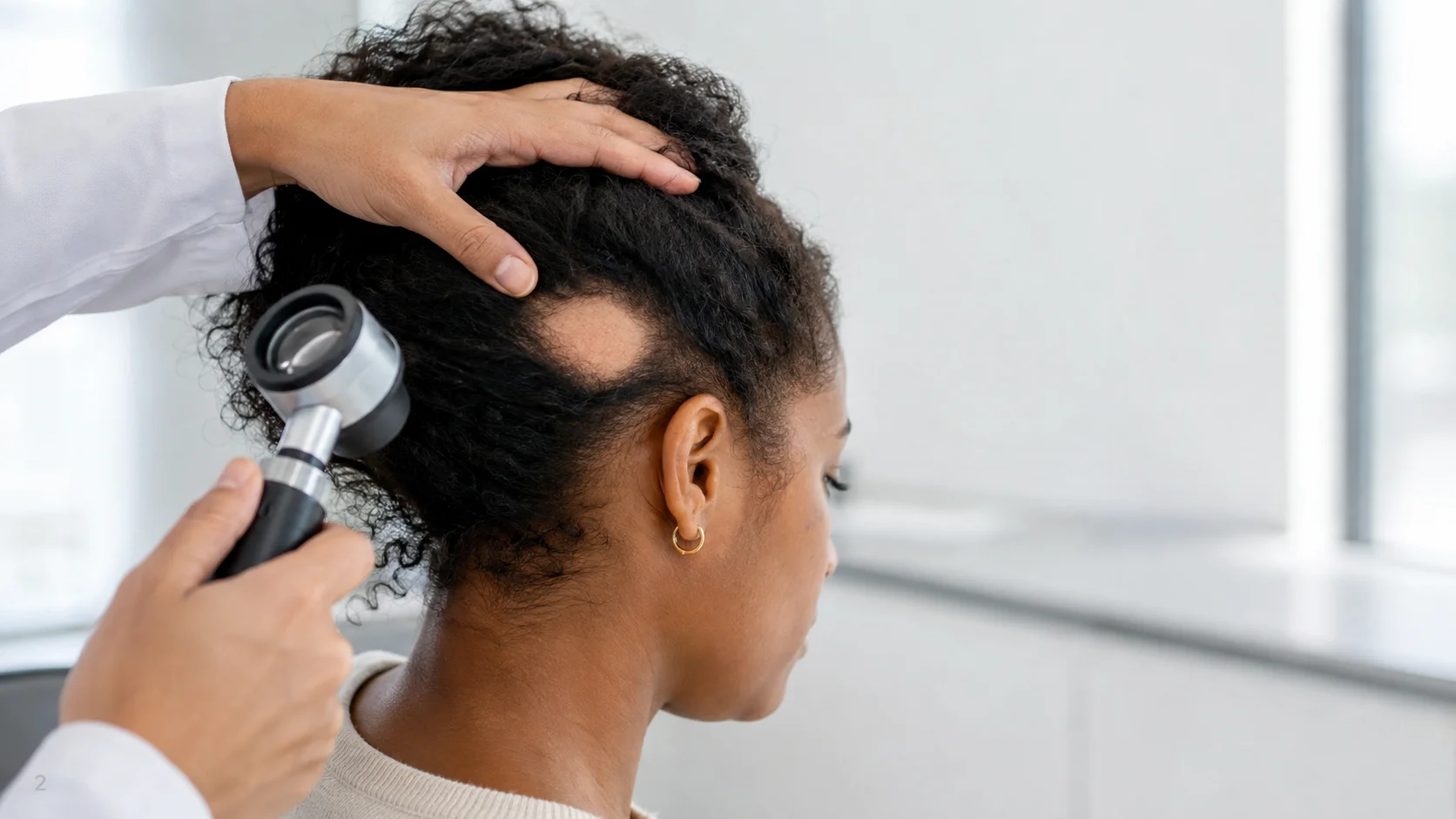
Alopecia areata is an immune-mediated condition that causes hair loss, most often in smooth, clearly defined patches. It can affect the scalp, beard, eyebrows, eyelashes, and other hair-bearing areas. Some people develop one limited episode, while others experience repeated or more extensive loss.
The condition is usually nonscarring, which means the affected follicles remain present. Regrowth is therefore possible, although the timing, completeness, and durability of recovery cannot be predicted with certainty.
What Causes Alopecia Areata?
Alopecia areata develops when immune activity mistakenly targets growing hair follicles. This disrupts normal hair production and causes affected hairs to shed.
The precise reason this begins in a particular person is not fully understood. Genetic susceptibility plays a role, but alopecia areata is not inherited in a simple or inevitable pattern. Environmental and biological triggers may contribute in susceptible individuals.
Stress is often blamed, but it should not be treated as the sole explanation. A stressful event may precede some episodes, while many cases begin without an identifiable trigger.
Alopecia areata is associated with an increased likelihood of certain immune-related conditions, including autoimmune thyroid disease, vitiligo, and atopic disorders. This does not mean everyone with alopecia areata has another medical condition.
Symptoms and Clinical Forms
The classic presentation is one or more round or oval areas of sudden hair loss. The exposed skin is usually smooth and retains visible follicular openings.
Short, tapered “exclamation mark” hairs may appear near the edge of an active patch. Broken hairs, black dots, or early white regrowth can also occur.
Some people experience tingling, itching, or tenderness before hair falls out, but significant pain and inflammation are not typical. Nail changes, such as fine pits or a rough surface, may accompany the condition.
The extent of hair loss varies:
- Patchy alopecia areata affects limited areas.
- Alopecia totalis involves loss of scalp hair.
- Alopecia universalis affects scalp and body hair.
- Ophiasis follows a band-like pattern around the back and sides of the scalp.
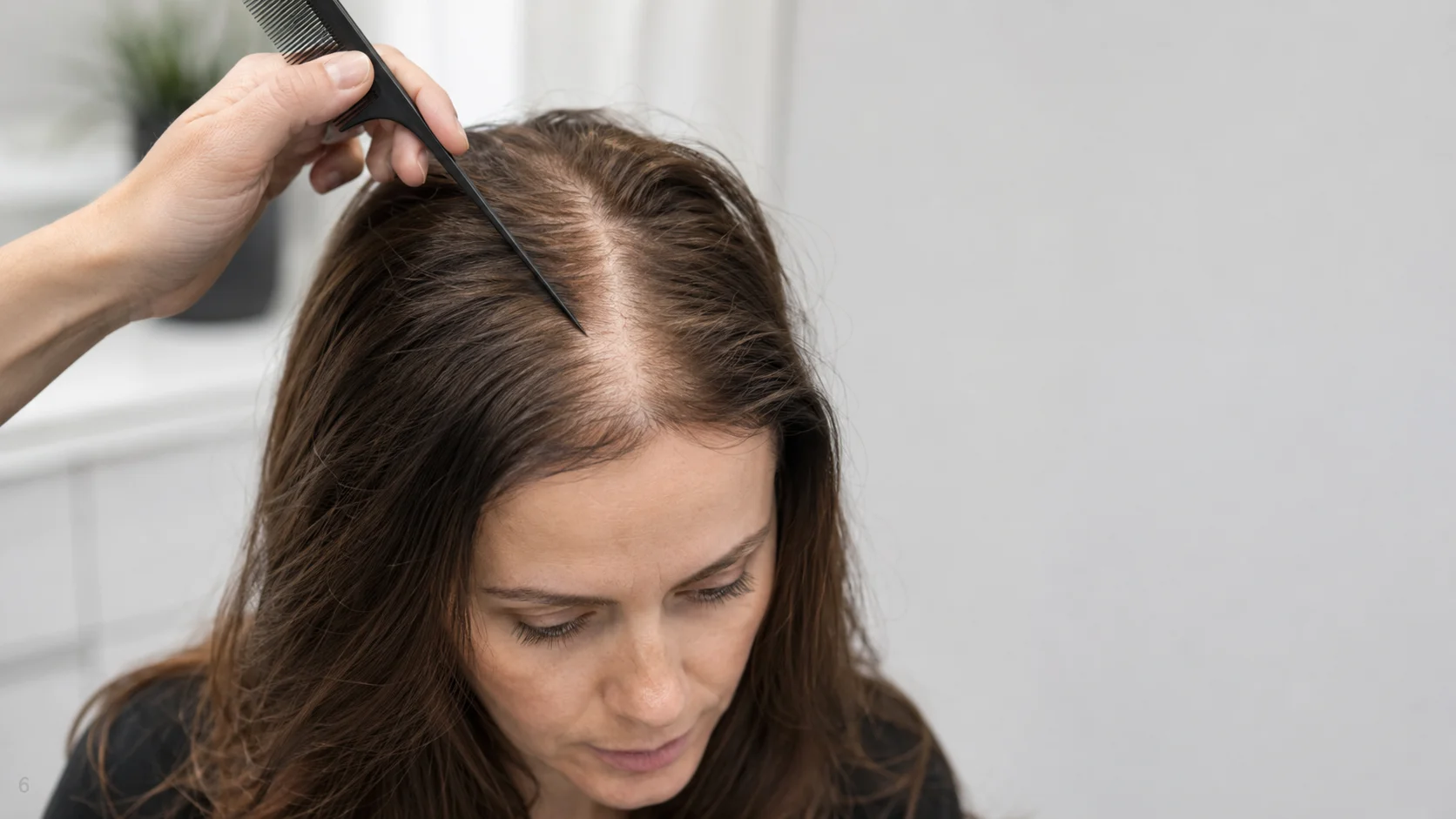
- Diffuse alopecia areata produces widespread thinning rather than obvious patches.
These descriptions identify patterns; they do not reliably predict an individual’s long-term outcome.
How Alopecia Areata Is Diagnosed
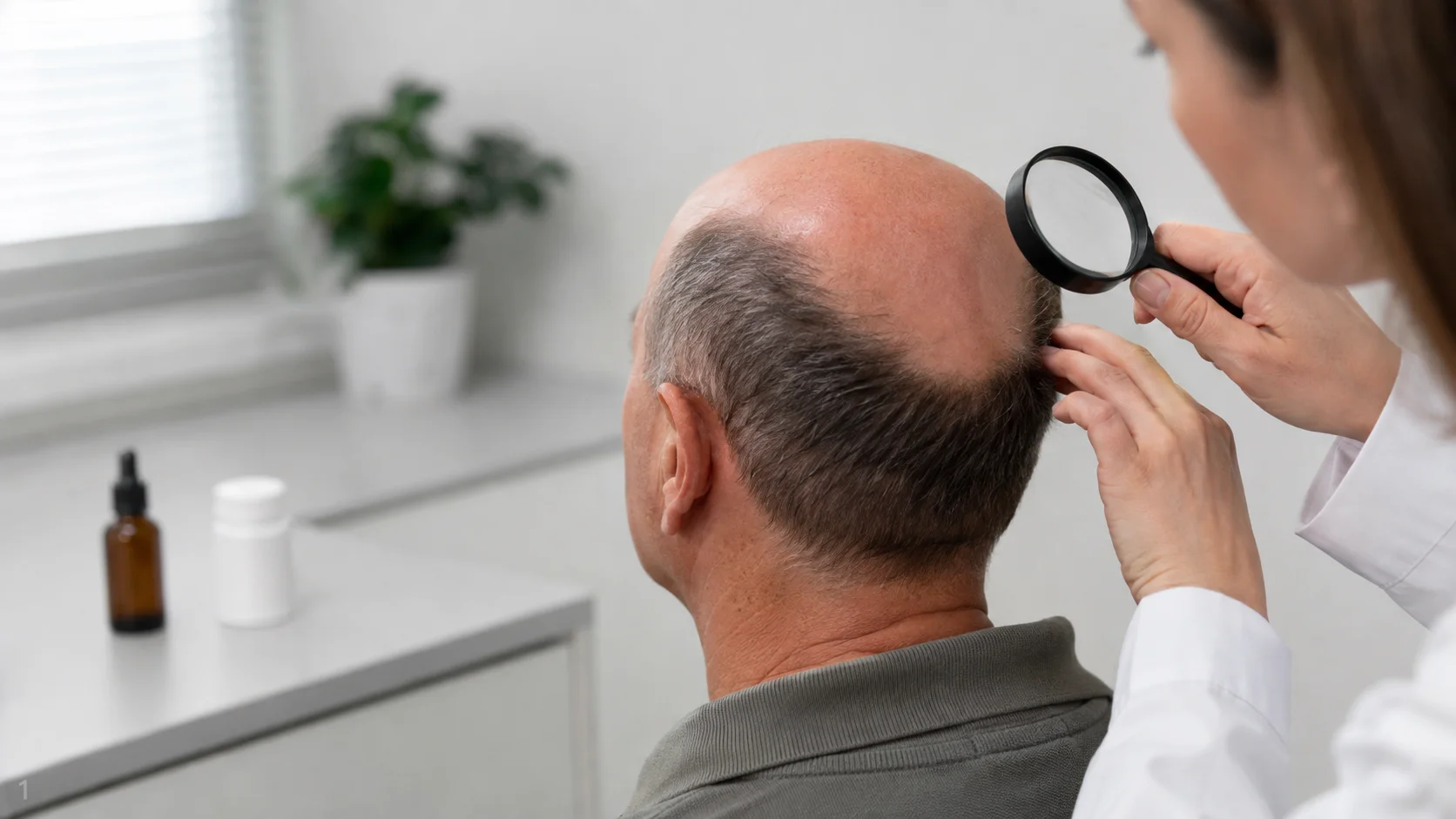
A dermatologist can often make the diagnosis through the history and appearance of the hair loss. The scalp, eyebrows, eyelashes, body hair, and nails may all be examined.
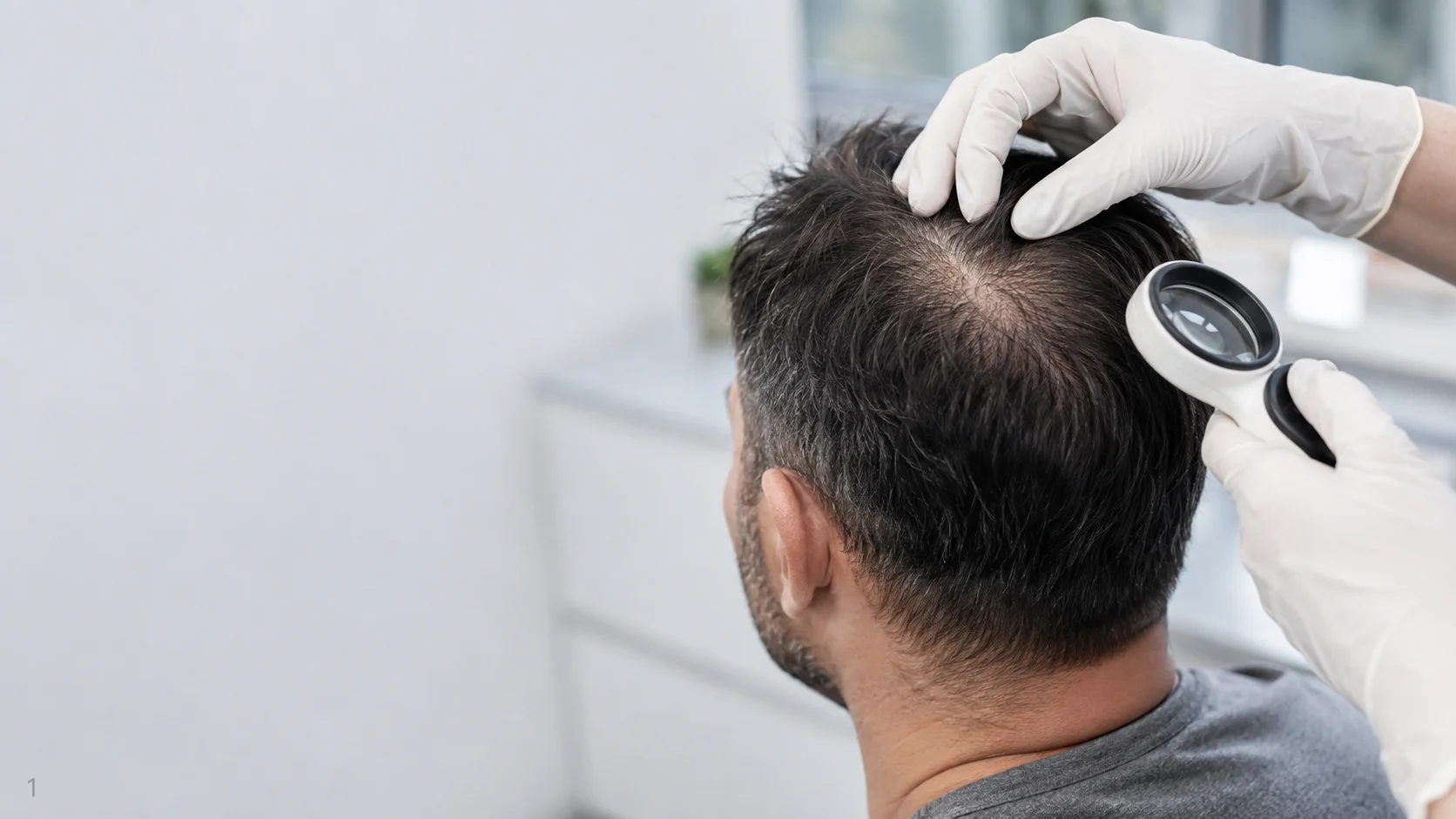
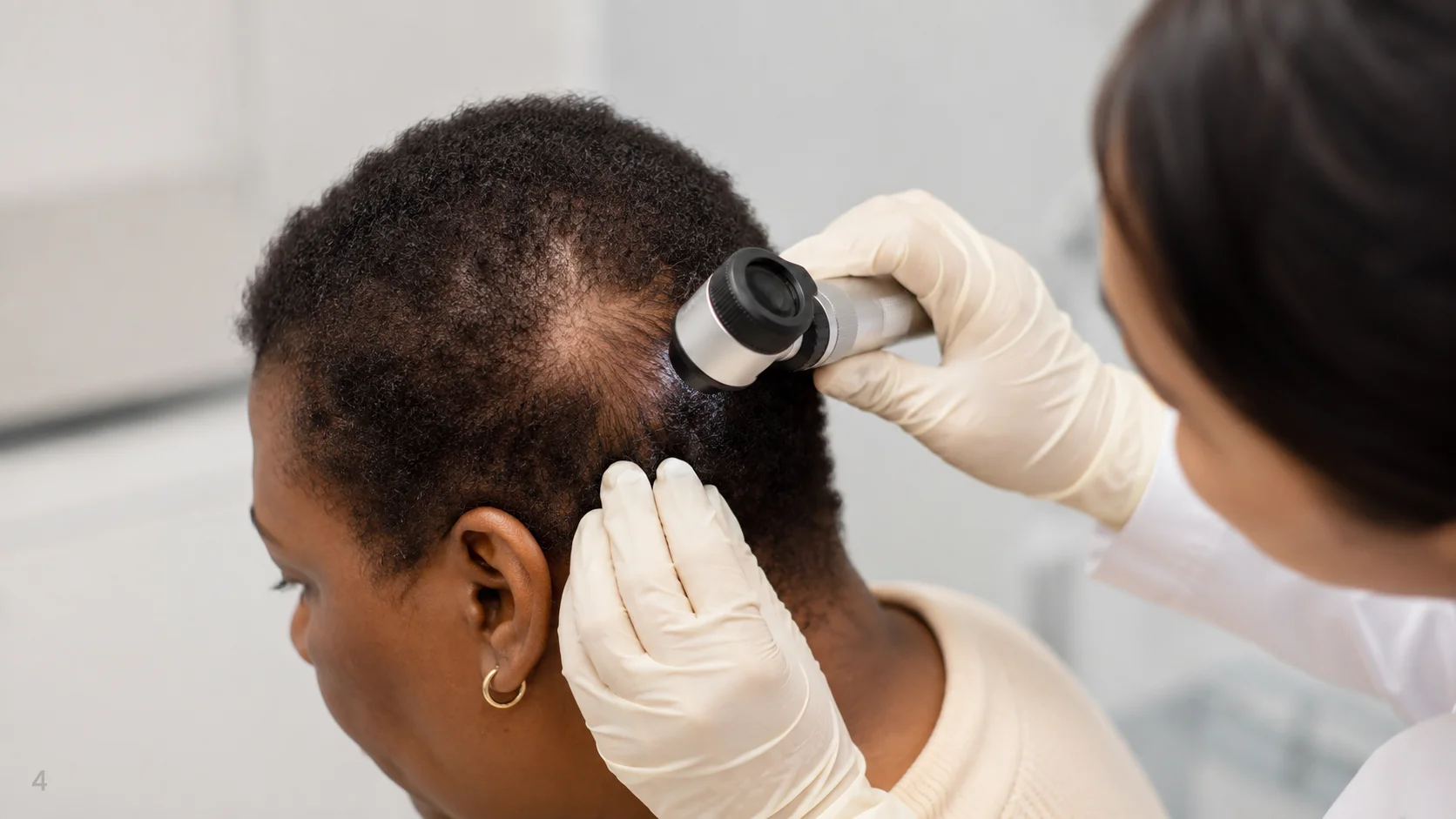
Dermoscopic magnification can help identify tapered hairs, yellow dots, black dots, broken strands, and short regrowing hairs. A gentle hair-pull test may help assess activity around a patch.
A scalp biopsy is not routinely required, but it can be useful when the pattern is unusual or another form of alopecia remains possible.
Blood testing is selective rather than automatic. Tests may be considered when symptoms or medical history suggest thyroid dysfunction, anemia, nutritional deficiency, or another associated condition. Testing every person for an extensive range of autoimmune diseases is not generally necessary without clinical clues.
Conditions That Can Look Similar
Patchy hair loss has several possible causes. Fungal scalp infection may produce scale, inflammation, and broken hairs. Trichotillomania often creates irregular patches containing hairs of different lengths. Traction can follow the distribution of repeated tension.
Scarring alopecia is especially important to recognize because follicular destruction can cause permanent loss. Redness, persistent scale, pustules, pain, or absent follicular openings warrants prompt evaluation.
Treatment Depends on Extent and Age
Treatment is individualized according to the amount and location of loss, duration, age, previous response, associated conditions, and impact on daily life. Observation may be reasonable for a small number of recent patches because spontaneous regrowth can occur.
Regrowth does not necessarily mean the condition is permanently resolved. Hair may fall again in the same or different locations.
Corticosteroids
Corticosteroids reduce local immune activity. Injections into limited scalp patches are commonly considered for suitable adults. Topical preparations may be used for children, sensitive areas, or cases in which injections are impractical.
Treatment can encourage regrowth but does not guarantee protection against future episodes. Skin thinning and other adverse effects are possible, particularly with prolonged or inappropriate use.
Contact Immunotherapy and Other Topical Approaches
For more extensive disease, specialist-supervised contact immunotherapy may be considered. It intentionally creates a controlled allergic reaction on the scalp to alter immune activity.
Other topical treatments may be used as part of a broader plan. Minoxidil can sometimes support hair growth, but it does not address the underlying immune process and is not sufficient for every pattern.
JAK Inhibitors
Janus kinase inhibitors modify signaling pathways involved in alopecia areata. Oral medicines in this class are approved for certain patients with severe disease in some jurisdictions.
They can produce substantial regrowth in some people, but response is variable and continued treatment may be needed to maintain improvement. Infection risk, laboratory abnormalities, medication interactions, and other serious warnings require careful screening and monitoring.
Supportive and Cosmetic Options
Eyebrow cosmetics, false eyelashes, scalp concealers, wigs, hairpieces, hats, and other appearance-management options can be valuable during active loss or while waiting for treatment response. They are cosmetic aids rather than treatments for immune activity.
Loss of eyelashes or nasal hair can reduce protection from dust and particles. Glasses, sunglasses, and gentle eye or nasal care may be helpful when recommended by a healthcare professional.
Prognosis and Regrowth
Alopecia areata is unpredictable. A small number of recent patches may regrow completely, sometimes without treatment. New hair can initially be fine, pale, or white before developing more typical color and texture.
More extensive involvement, nail changes, a long disease duration, early childhood onset, or an ophiasis pattern may be associated with a more persistent course. These factors describe general tendencies and cannot determine an individual outcome.
The emotional impact may be significant even when the affected area is medically limited. Psychological support, peer support, and practical appearance-management strategies can form a legitimate part of care.
Frequently Asked Questions
Is alopecia areata contagious?
No. It cannot be transmitted through touch, shared objects, or close contact.
Does alopecia areata permanently destroy follicles?
It is generally nonscarring, so follicles remain capable of producing hair. Long-standing disease can still be difficult to treat, and regrowth is not guaranteed.
Can hair regrow without treatment?
Yes, especially when loss is limited and recent. It is not possible to predict reliably who will experience spontaneous and lasting regrowth.
Should every person have blood tests?
No. Testing is guided by symptoms, examination findings, personal history, and family history.
Can alopecia areata return after successful treatment?
Yes. Treatment may restore hair without eliminating the underlying tendency to future episodes.
Moving Forward After Diagnosis
A confirmed diagnosis helps prevent unnecessary remedies and ensures that infections, traction, behavioral hair pulling, and scarring disorders are not overlooked. The best plan balances disease extent, treatment risk, practical burden, and the person’s priorities.
This content is for general informational purposes and does not replace individualized medical advice, diagnosis, or treatment.