Does Using a Dermaroller Help Reduce Hair Loss?
Hair loss is a concern that affects people of all ages and can have many different causes. While losing some hair every day is a normal part of the hair growth cycle, excessive shedding or gradual thinning often leads people to search for effective ways to support healthier hair. Among the many options available today, dermaroller use has become increasingly popular as part of a scalp care routine.
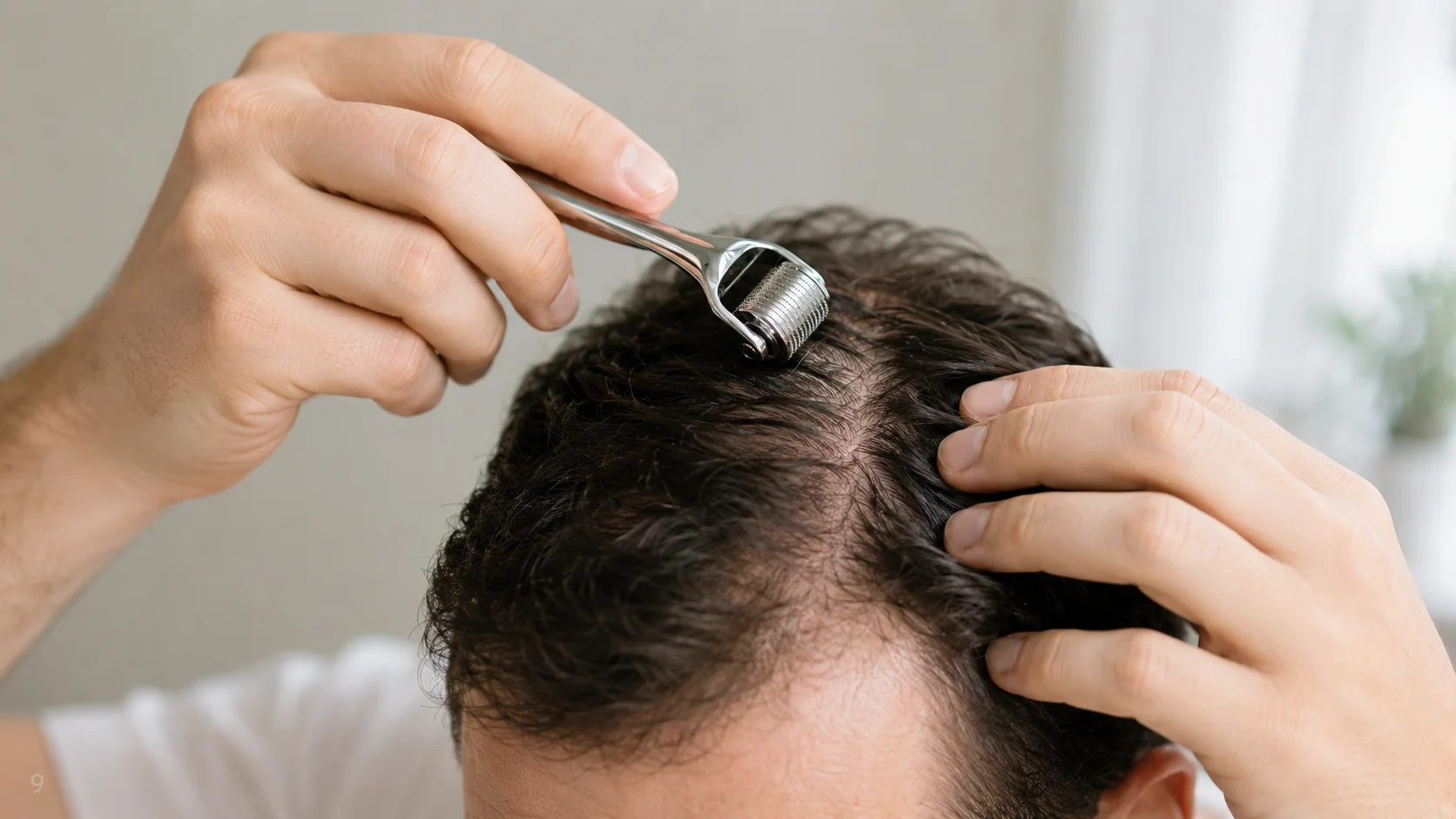
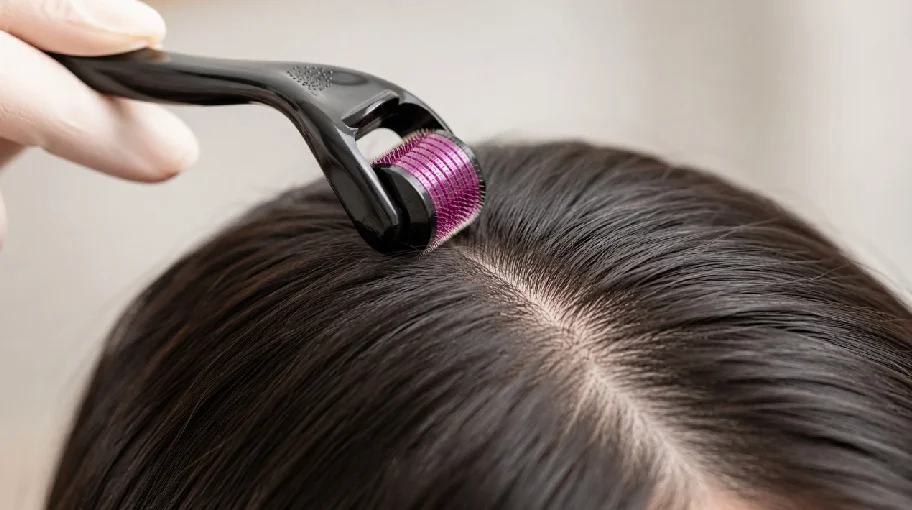
A dermaroller is a handheld device covered with tiny needles that create controlled micro-points on the surface of the skin. Although it was first introduced for general skin care, it is now widely used on the scalp with the goal of supporting healthier-looking hair. Many people choose this method because it is relatively simple, minimally invasive, and can be incorporated into a regular hair care routine.
Despite its growing popularity, many misconceptions still exist. Some believe a dermaroller can completely stop hair loss, while others expect it to produce rapid hair regrowth. In reality, the results depend on several factors, including the cause of hair loss, scalp condition, consistency of use, and individual biology.
Understanding what a dermaroller does and what it cannot do is the first step toward setting realistic expectations.
Understanding Hair Loss
Hair naturally grows in repeating cycles. Each strand passes through a growth phase, a transitional phase, and a resting phase before eventually shedding. This process continues throughout life and allows new hairs to replace old ones.
Because of this cycle, losing a moderate number of hairs each day is completely normal. Hair loss becomes a concern when shedding increases significantly or when new hair no longer grows at the same rate.
Several factors can contribute to hair thinning or excessive shedding. Genetics is one of the most common reasons, but it is far from the only one. Hormonal changes, emotional stress, nutritional deficiencies, certain medications, scalp conditions, aging, and seasonal changes may all influence hair growth.
Temporary shedding caused by stress or illness often improves once the underlying issue has been resolved. On the other hand, gradual thinning related to genetics usually develops over a longer period and requires ongoing management rather than a quick solution.
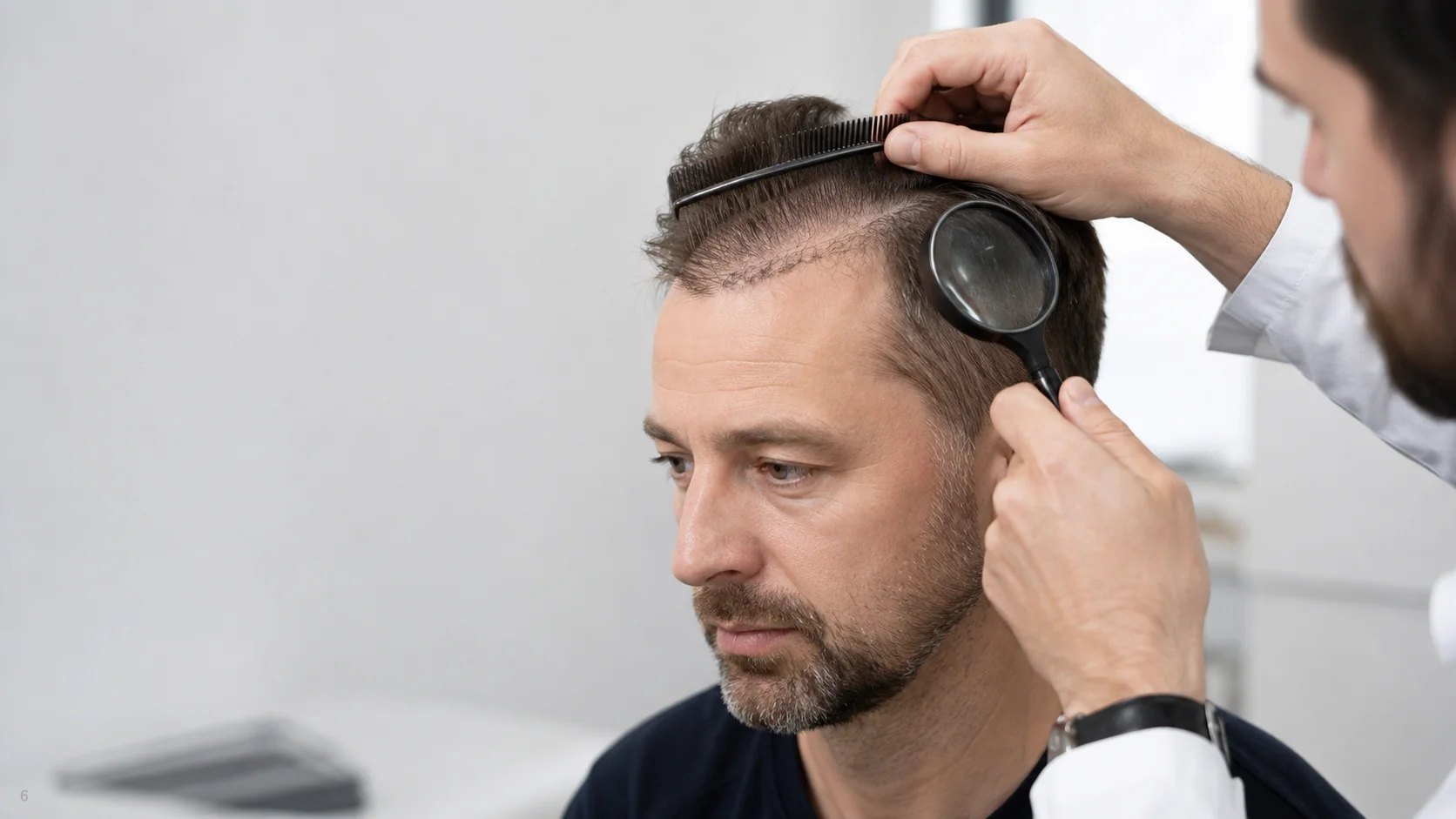
Since the causes of hair loss vary from one person to another, supportive methods such as dermaroller use may produce different results for different individuals.
How Does a Dermaroller Work?
A dermaroller works by creating tiny, controlled micro-points on the scalp. These microscopic openings activate the skin's natural repair response without causing significant damage when the device is used correctly.
As the scalp begins its natural healing process, blood circulation may temporarily increase around the treated area. This improved circulation helps deliver oxygen and nutrients to the scalp, supporting overall skin health.
Another important response involves collagen production. Collagen is widely known for supporting healthy skin, but it also contributes to maintaining a healthy scalp environment. A healthier scalp may provide better support for existing hair follicles, helping hair appear stronger over time.
It is important to understand that dermarollers do not create new hair follicles. Instead, they may help improve the conditions surrounding follicles that are already active. For this reason, people experiencing early stages of hair thinning may notice more noticeable improvements than those with advanced hair loss.
Consistency also plays a major role. A single session is unlikely to produce visible changes. Like many aspects of hair care, supporting scalp health is a gradual process that requires patience and realistic expectations.
Potential Benefits of Using a Dermaroller
When used correctly, a dermaroller may offer several potential benefits for scalp health and hair appearance.
One possible benefit is improved scalp circulation. Healthy blood flow helps transport oxygen and nutrients to the hair follicles, creating an environment that supports normal hair growth.
Another potential advantage is encouraging the scalp's natural renewal process. Controlled microstimulation may support healthier skin by promoting normal repair mechanisms.
Many people also report that their hair appears thicker or fuller after consistent use over several months. While these improvements are usually related to existing hair becoming healthier rather than new follicles forming, they can still contribute to a fuller overall appearance.
In addition, regular scalp care may help improve the overall condition of the skin by removing buildup, supporting healthy circulation, and encouraging a cleaner environment for hair follicles.
Although a dermaroller is not a guaranteed solution for hair loss, it may become a valuable part of a long-term hair care routine when combined with healthy lifestyle habits and consistent scalp care practices.
Who Can Benefit From Dermaroller Use?
Although a dermaroller has become increasingly popular, it is not suitable for every type of hair loss. People experiencing mild to moderate hair thinning while their hair follicles remain active may be more likely to benefit from regular scalp stimulation. Since individual hair growth patterns differ, the results can vary from person to person.
Those who notice gradual thinning rather than sudden hair loss often choose dermaroller use as part of a broader scalp care routine. Supporting the scalp before significant hair loss occurs may help maintain healthier-looking hair over time.
It is equally important to understand that advanced hair loss cannot always be improved through scalp stimulation alone. When hair follicles are no longer active, a dermaroller cannot create new follicles or completely restore lost hair. Instead, it should be viewed as one supportive method that may contribute to overall scalp health.
People who simply want to improve the condition of their scalp may also include dermaroller sessions in their routine. Maintaining a healthy scalp is an important part of supporting strong, healthy-looking hair.
Safety Considerations
Using a dermaroller correctly is just as important as deciding whether to use one. Proper hygiene, gentle application, and realistic expectations all play significant roles in creating a positive experience.
Before each session, both the scalp and the dermaroller should be clean. A properly disinfected device helps reduce the risk of irritation and supports safe use. Applying excessive pressure is unnecessary and may cause discomfort without providing additional benefits.
The scalp should also be given enough time to recover between sessions. Using the device too frequently may lead to unnecessary irritation rather than improving scalp health.
A dermaroller should not be used on skin that is already damaged or inflamed. Open wounds, active infections, severe dandruff, eczema flare-ups, psoriasis, or irritated areas should be allowed to heal before considering scalp stimulation.
Although mild redness may appear shortly after treatment, persistent pain, swelling, excessive bleeding, or signs of infection should never be ignored.
Another common everyday question is whether wearing a hat causes hair loss.
Frequently Asked Questions
Does a dermaroller stop hair loss completely?
No. A dermaroller should not be considered a guaranteed solution for hair loss. It may support scalp health and improve the overall appearance of existing hair, but the results depend on the underlying cause of hair thinning and individual factors.
How long does it take to notice results?
Hair grows slowly, so noticeable improvements usually require patience. Some people may observe changes after several weeks, while others may need several months of consistent scalp care before seeing visible differences.
Can anyone use a dermaroller?
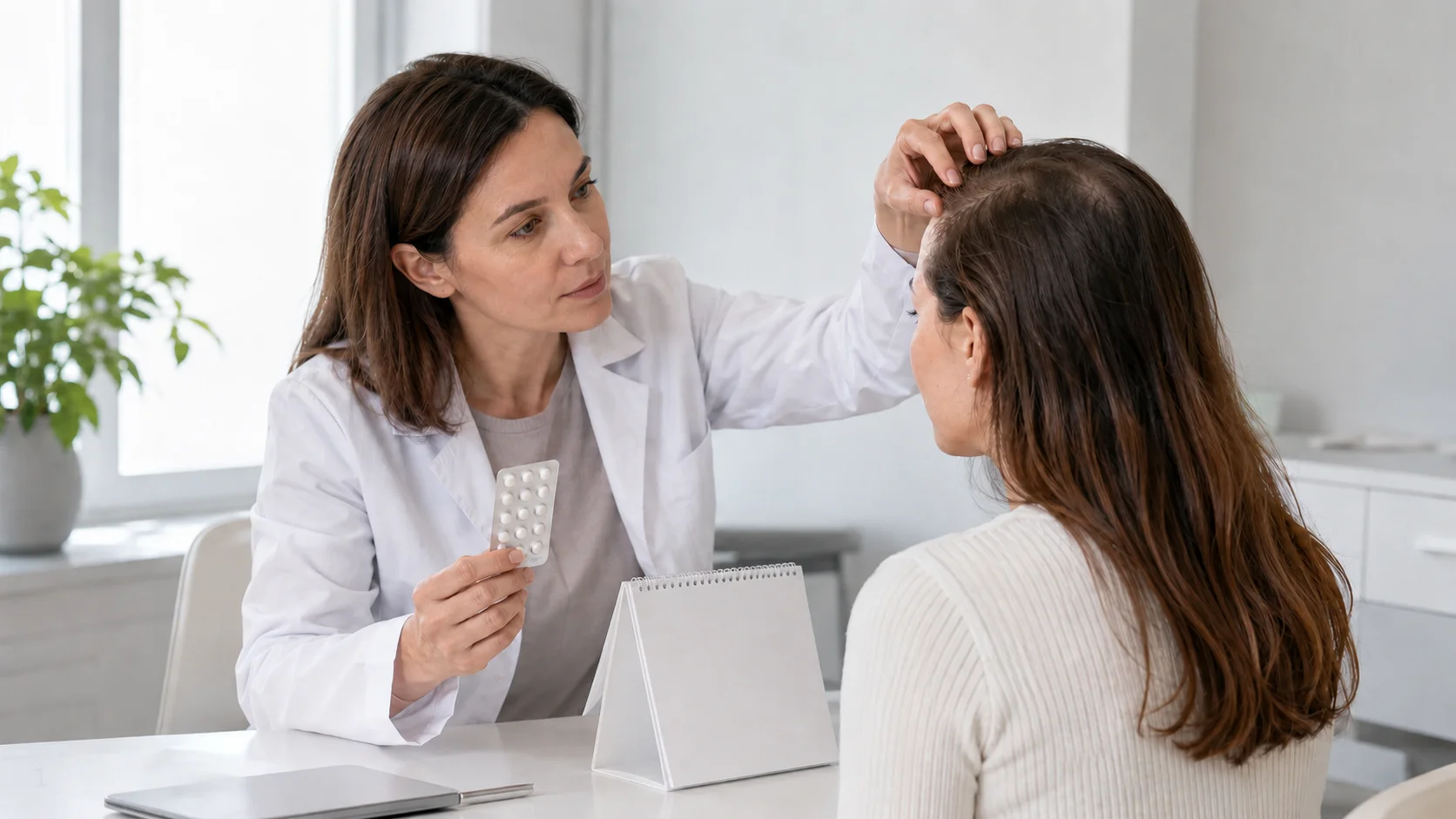
Not always. Individuals with active scalp infections, irritated skin, open wounds, or certain scalp conditions should avoid using a dermaroller until the scalp has fully recovered. When in doubt, identifying the cause of hair loss should always come before starting a new scalp care routine.
Is a dermaroller enough on its own?
A dermaroller is generally considered a supportive tool rather than a complete solution. Healthy hair is influenced by many factors, including nutrition, stress levels, sleep quality, scalp health, genetics, and overall lifestyle. A balanced approach is often more beneficial than relying on a single method.
Final Thoughts
Dermaroller use has become a popular option for people looking to support scalp health and improve the appearance of thinning hair. By creating controlled micro-points on the scalp, it may encourage the skin's natural renewal process and contribute to a healthier environment for existing hair follicles.
However, it is important to approach dermaroller use with realistic expectations. While it may help improve scalp condition and support healthier-looking hair, it is not a universal solution for every type of hair loss. The effectiveness of this technique depends on the underlying cause of hair thinning, individual biology, proper technique, and long-term consistency.
For many people, maintaining healthy hair involves more than one approach. A balanced diet, proper scalp care, healthy daily habits, and patience all contribute to healthier-looking hair over time. When combined with these practices, dermaroller use may become a valuable addition to an overall hair care routine while supporting long-term scalp health.